The Maison/0 Challenge Fund develops creative collaborations with LVMH through student and graduate-led engagement. Designed around a specific brief or challenge set by LVMH, they range from workshops and hackathons to longer-term projects.
These projects with LVMH Maisons span fashion, jewellery, industrial design, textile design, creative enterprise and biodesign.
Working with our students brings a fresh creative outlook to LVMH on specific challenges and Challenge Fund projects enable our students to be introduced to the inner workings of a luxury group.
Biodiversity is a key strategic pillar for LVMH as part of their LIFE 360 Environment strategy. The Challenge Fund supports collaborations with creative practitioners to foster new relationships between nature restoration and creative endeavours.
Where Land and Water Meet
What can biodiversity do for designers and what can designers do for biodiversity?
An MA Regenerative Design project in partnership with Kilchoan Melfort Trust, and knowledge partners from Scottish Association for Marine Science and Seawilding in Scotland, United Kingdom. Supported by the LVMH Maison/0 Challenge Fund 2025 to bring together ecologists and designers to activate place-based biodiversity restoration, research, and collaboration.
The project has generated 4 key outputs:
- Expedition in Scotland.
- A series of short films.
- An online symposium.
- A Lexicon.
View full project content.

Expedition and field research
A research group expedition by MA Regenerative Design graduates and students took place in Argyll and Bute, Scotland, in September 2025. Selected through an open call, the group connected diverse ecosystem knowledge from around the world and worked in partnership with the Kilchoan Melfort Trust and the Scottish Association for Marine Science (SAMS). Through hands-on activities, the group explored and developed new approaches to practicing biodiversity restoration.
Biodiversity restoration is not only a scientific challenge; it is also a social, cultural, ecological and material one that requires creative approaches, community action and long-term collaboration. The research period was structured around hands-on fieldwork, developing individual research, reflecting on the role of design in supporting local biodiversity restoration through case studies, and meetings with local experts; Dr Alasdair O’Dell from the Scottish Association for Marine Science, to learn about blue carbon research, and Dr Alex Thompson at the boathouse at Loch Craignish, where Seawilding is leading seagrass restoration through community-based research and engagement.
The aim of the field research activity was to develop new empirical biodiversity methods to enable collaboration between ecologists, designers and local communities. Designing for biodiversity restoration is not just a puzzle to be solved but a quest for restoring new relational capacities in understanding how we are collectively dependent on the diversity of life. Working with biodiversity requires new modes of interdisciplinary collaboration to understand ecosystem interactions, relations and impact. A central part of the week was hands-on fieldwork. We removed gorse to revive meadows and collected plastic tree guards across the hills. These are small but significant interventions in the dynamics of landscape that helps us stop projecting and designing but rather start with first learning and understanding the dynamics of place, time and species.
These embodied practices help us shift our understanding of regenerative design. Away from the studio and into the field, we learn to listen to place, to species, and to the histories embedded in land use. In order to think about the future, we need to learn from how we are situated. Restoration work requires attention to ecological context, local and the cultural relationships communities in the landscapes. The manual labour became a form of inquiry, it is body intensive, slow, relational, and deeply instructive. By working with land, we began to understand that biodiversity restoration is not a technical fix but a long term, collaborative process that teaches about scale, time and where we enter and contribute in the process of restoration.
We explored how collaborative approaches can unlock the potential of biodiversity restoration, demonstrating that this challenge requires new methodologies and an evolution in design practice rather than a single solution. The research group proposed work ranges from: frameworks for designers and ecologists to work together using ecological data, inspired by Life Cycle Assessment (LCA) processes, reframing data-collection and design interventions, rethinking citizen-science initiatives and local geographical understanding and assessments to rethinking how regenerative design practices can operate as part of ecosystem and support new functions and ways of seeing the world.
The week’s work laid the foundation for future collaborations and insights. The work was presented in a biodiversity symposium for the public where we shared our findings, reflections, and next steps in building effective biodiversity alliances.
Lexicon of Situated Responses
A blueprint for collaborative design projects between ecologists and designers, the lexicon situates transdisciplinary methods and vocabulary, supporting emerging ecosystem-knowledge in the support and practice of designing for biodiversity.
Acknowledgments
Project led by: Dr Barbara Smith, Lecturer in Ecology, MA Regenerative Design and Judith van den Boom, Course Leader MA Regenerative Design.
MARD Research group participants: Quoi Alexander (JP), Inés Quiñones Fábregas (ESP), James Harlow (UK), Sami Kimberley (UK), Charline Lalanne (FR), Tom Longmate (NOR), Lucy Mitchell (UK), Gabriella Rhodes (UK), Lesley Roberts (US)
With thanks to
Alexandre Capelli, Deputy Head Environment, LVMH.
Laura Dawson, Louisa Habermann, and Marnik van Cauter, Kilchoan Melfort Trust.
Dr. Alasdair O’Dell, Scottish Association for Marine Science.
Dr Alex Thompson, Seawilding.
Explore past projects
-
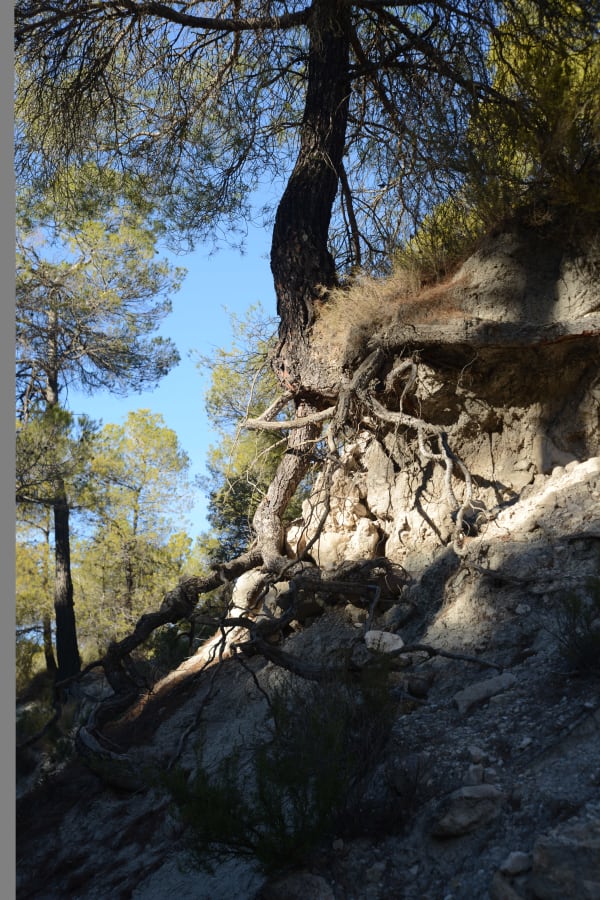
Juliet Williams, 2024 MA Art & Science, Central Saint Martins, UAL
-
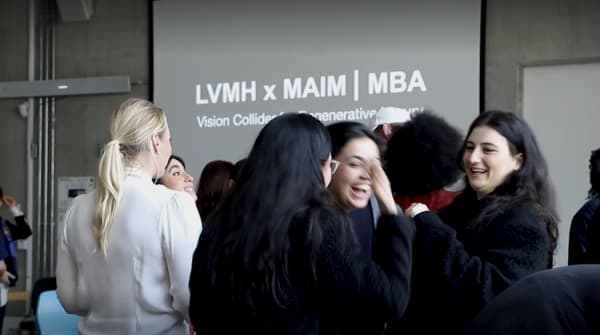
Image credit: Culture and Enterprise programme
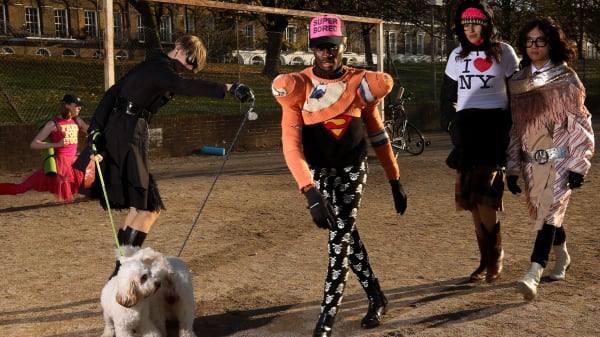
-
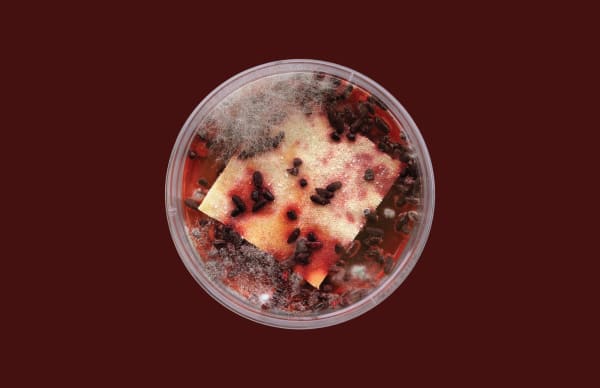
Julia Jueckstock, Hyphae Hues, MA Biodesign
-
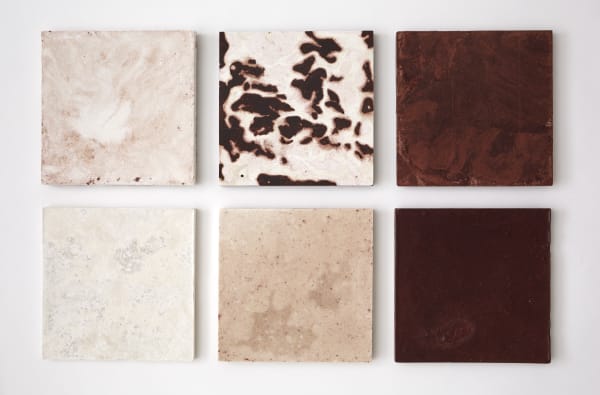
Collection En Route - Materials by Brigitte Kock and Irene Roca Moracia
-
Image courtesy of UAL,