Craftsmanship Alone is Not Enough (2017) marked over 100 years' rich history of Ceramic Design education at Central Saint Martins. A series of activities included an exhibition of work by staff, students and alumni at the Lethaby Gallery, international presentations; and this special publication tracing the history, present and future of ceramic design at CSM.
Publication introduction:
Anthony Quinn
In the 1950s, when Dora Billington proclaimed ‘Craftsmanship alone is not enough’, I wonder if she was aware her words would still resonate so strongly over 60 years later. By defining the approach that she fostered in the pottery studio of the Central School she identified, and eloquently named, a key philosophy that still drives the course today. Namely, to look beyond the material to its context, its challenges and its possibility for poetic intervention. It’s been a busy century demonstrated by a glance at our alumni list, a who’s who of 20th century ceramics.
Ceramic Design at Central Saint Martins, as the Central School of Art and Design came to be, is in a constant state of purposeful experimentation recasting the traditional scope of the subject. This takes no small amount of energy from the course team and a huge belief from the students. But we are bound by a material curiosity, working with something so mercurial as clay, the embodiment of Billington’s proclamation.
On the subject of clay camaraderie, prominent Course Leaders such as Gilbert Harding Green and Kathryn Hearn followed Billington’s lead cementing the course at the heart of the subject. I am proud to follow in that line and to be entrusted with a course ambition to be an active custodian for the subject and a world-leading centre of excellence for ceramic education. This book captures a fraction of the course’s history, its development over a hundred years and its future trajectory.
We embark enthusiastically on our second century having navigated a complex educational context seeing many changes in the UK and beyond. The course is a thriving community of practice, our graduates are provocateurs and our institution continues to uphold the value of designing through making.
We continue to answer Billington’s call to adventure!
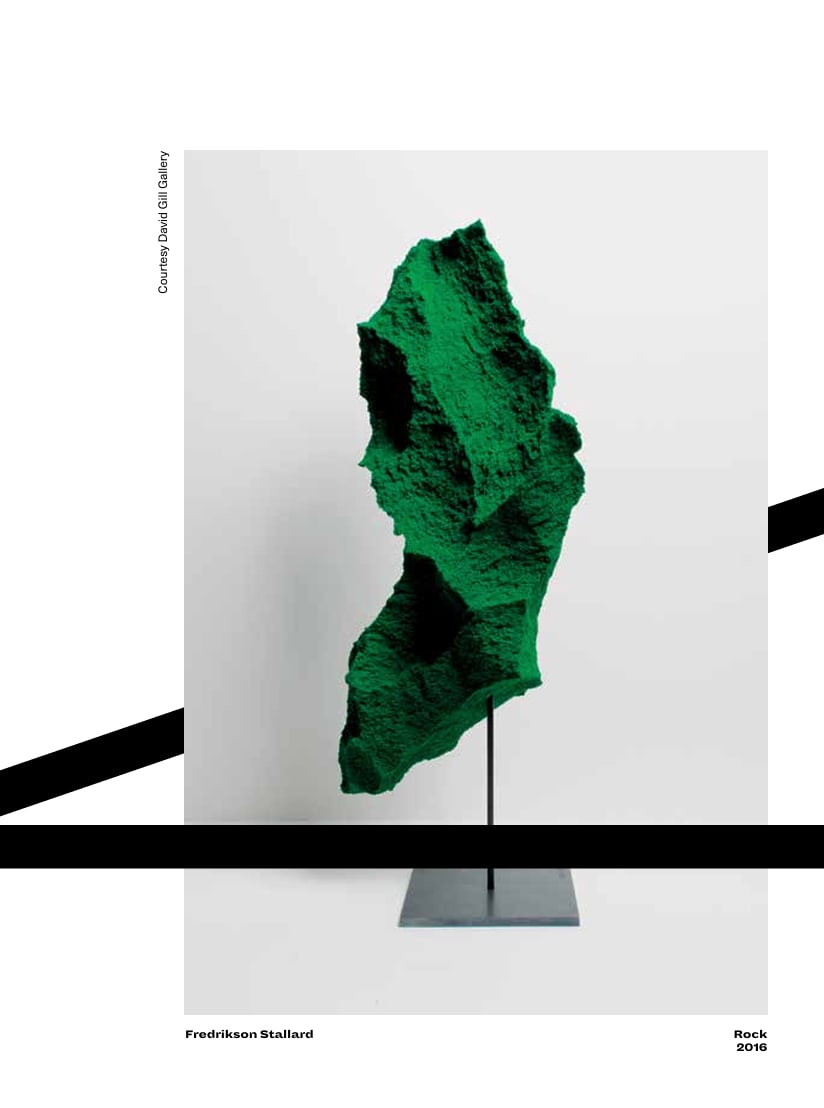

Research questions
Clay is far more than mud and tradition—it's a profoundly transformable material that invites designers and artists to venture beyond conventional ceramics into bold, conceptually challenging territory.
We explored how contemporary makers are reimagining clay's potential, leveraging its ancient archetypes and time-honoured production processes to challenge, comment on, and completely transform what we think clay can do.
By examining diverse practices across the field, we tackle compelling questions:
- How does clay's technological formation speak to craftsmanship in our modern production landscape?
- Can clay in public spaces catalyse transformative engagement with audiences?
- What can production systems reveal about value creation through the making process itself?
- Does the intergenerational transfer of skill spark innovation? Does clay's everyday presence create opportunities for provocation and transgression?
These questions become entry points into a broader conversation about ceramics today—spanning education, professional practice and everything in between. They offer us a unique lens to examine makers, their work, and their philosophies in fresh, thought-provoking ways.