Postgraduate

MA Fashion Journalism and Content Creation

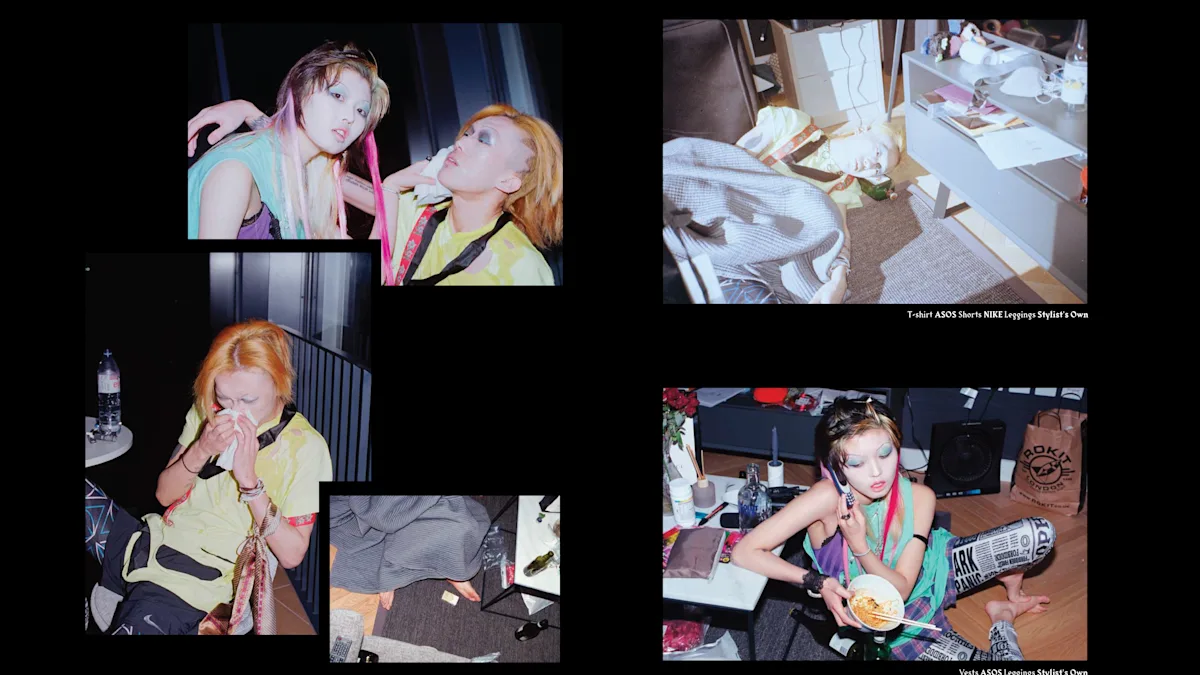
A selection of photos of students at home
MA Fashion Journalism. Project titled, 'Around Us magazine No1' by student, Ke Zhang.
College
London College of Fashion
Start date
September 2026
Course length
12 months

Challenge the current fashion system and develop authentic and provocative editorial strategies that could have social and politically active outcomes.

Course summary

Why choose this course at London College of Fashion

  • Global fashion cultures: Combine an in-depth knowledge of the global fashion industry with practical editorial and technical skills as you challenge the role of the fashion media.
  • Holistic: Investigate both traditional and disruptive technologies within fashion communication, including traditional publishing, zine culture, digital journalism and more.
  • Research focus: Develop your research capabilities and approach to research enquiry as you build an understanding of research processes and situate them in a broader cultural arena.
  • Broad expertise: Develop expertise in commercial content creation and traditional journalism through engagement with a range of media, journalistic topics and approaches.
  • Exposure to Industry: Engage with fashion journalism professionals from a variety of fields and learn from tutors with decades of experience, enhancing your learning.

Upcoming Events

Virtual Event: Fashion Media, Communication and Performance: Thursday 5 February.

To visit us in person, book a Campus Tour.

Scholarships, bursaries and awards

Use our scholarship search to discover if you are eligible for any scholarships, bursaries or awards.

Course overview

MA Fashion Journalism and Content Creation is a well-established course that has been designed for graduates/professionals who wish to explore the changing face of fashion journalism and content creation, whether that be from an academic, consumer or entrepreneurial perspective. In the light of globalisation and numerous ongoing controversies surrounding the fashion industry, the course examines a number of sociological and ethical issues that are emerging for journalists and content creators. 

The course offers a proactive approach to the rapidly changing global landscape and challenges the role of the fashion media and examines how, as a practitioner, you can successfully disseminate your editorial message through it.   

You’ll be encouraged to challenge the current fashion system and develop authentic and provocative editorial strategies that could potentially have both social and politically active outcomes.  

Focusing on both the written word and the curated fashion image, the course will teach you expertise in both commercial content creation and traditional journalism as well as publishing; in short, how to be a commentator, editor, and entrepreneur, both digitally and in print.  

You will engage with a broad range of media and journalistic topics through a number of different approaches, from theoretical discourse, to vocational publishing and digital projects, developing a skill base that fosters a broad variety of expertise.   

Course content encompasses an in-depth knowledge of the fashion industry globally (in both western and non-western contexts), to practical editorial and technical skills that will enable you to assemble and create multi-platform products that incorporate both traditional journalistic and content creation skills together with more experimental methodologies. 

What to expect 

  • Exposure to industry: Engage with a number of industry professionals from a variety of fields (digital, creative, editorial, publishing), and examine the broader market forces that are contextualising the industry commercially and creatively.  
  • A holistic view of journalism: Investigate both traditional and disruptive technologies within fashion communication – from traditional media publishing and zine culture to digital journalism and content creation for brands.  
  • Opportunities to personalise your learning: Depending on your career aspirations, choose to produce a traditional dissertation, book proposal or commercial media product during your self-negotiated Master’s project. 
  • An expert teaching team: Guided by tutors with decades of experience working in the industry, develop key, practical journalistic skills, and learn how to apply them to the fashion industry. 

Research at MA Level 

Research is core to the curriculum and pedagogical approaches for the course. The development of effective approaches towards research enquiry is central for the emergence of a critically reflective and culturally aware practitioner/learner. An iterative approach highlighting the crucial interrelationship between theory and practice, and the value of interdisciplinary modes of interrogation for the potential generation of new knowledge is prioritised. Throughout the course, an understanding of the processes and methodologies of research will be developed within the discipline and situated within a broader cultural arena.   

The integration of theoretical and/or philosophical frameworks provide ways to look at the world in relationship to project work. A systematic approach to research is supported, including the shaping of ethical and achievable research questions and prototyping (of ideas) that may lead to new insights, connections and understanding. Through the course core research capabilities are developed, tested, and extended to underpin progressive cycles of reflexive practice. The application of research and critical perspectives in both theory and practice using a range of techniques and research methods are evaluated through formative and summative assessment. This helps to identify areas for potential improvement and development appropriate to your professional aspirations and advanced research potential that culminate in the proposition and independent pursuit of the Masters Project.

Climate, Social and Racial Justice 

UAL is committed to developing ethical journalistic practices. To achieve this, we are working to embed UAL’s Principles for Climate, Social and Racial Justice into the course.

Contact us

Register your interest to receive information and updates about studying at UAL.

Contact us to make an enquiry.

Course units

Global Fashion Media and Markets (40 credits)

This unit explores the evolving skills fashion journalists need in today’s fast-changing global media landscape. It examines key genres and platforms including print, online, broadcast, mobile, and social media – within the contexts of media theory, fashion history, and contemporary global issues. You’ll analyse journalistic practice through critical frameworks addressing sustainability, ethics, social responsibility, cultural identity, diversity, inclusion, and well-being, aligned with UAL’s principles for Climate, Racial, and Social Justice. You’ll consolidate your ability to produce publishable journalism while placing it within a critical exploration of the developing media and fashion sectors.

Exploring Commercial Fashion Content (20 credits)

This unit evaluates fashion content from the fashion industry’s perspective. It focuses on written, multi-modal broadcast and social media content creation for fashion brands working across a range of platforms and new technologies, looking at augmented and mixed reality approaches to contemporary storytelling. Thematically, it identifies and evaluates external market forces in the globalised fashion industry that are changing consumption patterns, such as the growth of online retail, shifts in promotional and branding strategies, and consumer trends. It explores theoretical and practical approaches to understanding the influences on contemporary commercial content, and the ethical considerations around developing media and fashion industry environments. 

Elective units (20 credits) 

You’ll have the opportunity to participate in an elective unit as part of this course. This is an opportunity for you to collaborate with students from other courses within the college.

The following is an example list of electives that have been previously delivered:

  • Creative Decision Making for Fashion Enterprise
  • Cultural Programming
  • Fashion Politics and Cultures
  • Fashion Practices for Social Change
  • Fashion Together: Collaboration for Innovation

Please note:

  • Elective unit titles and details of the unit may change year to year.
  • Elective units offered may change year to year, that is, unit listed above may or may not be offered in subsequent years.
  • You participate in a bidding process for choosing electives and participation in any particular elective is not guaranteed.

Fashion Journalism for Change (40 credits)

This unit questions the future role of fashion journalism by interrogating experimental and established communication modes through which journalists and content creation can target diverse audiences. Thematically, it examines the role of fashion activism by analysing approaches to messaging that effect change through content and delivery method. Focusing on future developments in the publishing landscape, the unit explores how journalists and content creators can adapt to emerging trends. It looks at scale and audience traction, evaluating potential opportunities for entrepreneurs to develop new publishing strategies that can have both editorial and commercial outcomes. 

Masters Project (60 credits)

The Masters Project is the final stage of the course, allowing you to synthesise and apply the knowledge and skills gained throughout your studies. Your project will be self-directed and you’ll negotiate the direction of your project with your supervisor. You’ll effectively communicate your work along with your ability to critically interrogate your practice with robust approaches to research and theoretical analysis. Upon completion of your project, you’ll have generated a high-level Masters’ quality piece of work that will showcase your practice, academic literacy and the professional standards that will act as a platform for your future career and professional development. 
Learning and teaching methods

During your course you will engage with learning and teaching that includes both online and face-to-face modes. The scheduled activity for the course will be delivered through a combination of live, synchronous and asynchronous on-line learning. This is often described as blended learning. These sessions will include lectures, seminars, workshops, tutorials, peer review, technical sessions and masterclasses with industry practitioners.

For your final master’s project you will be expected to engage with independent research and set your own programme of work under the guidance of a designated supervisor/Course Leader. The method of research, development of ideas and organisation of material will depend on your chosen subject area and your negotiated project outcome for assessment. You will be expected to engage in regular progress meetings with your supervisor/Course Leader.

Assessment methods

Students on this course will produce: 

  • Journalistic writing that can be adapted to a number of formats (including traditional and evolving technologies).
  • Visual journalistic outputs (photography, art direction, styling, graphic design). 
  • Content creation for commercial brands.
  • Editorial that reflects upon issues of social justice and sustainability. 
  • Business plans and budgets.
  • Academic essays.
  • Group presentations and peer-to-peer review. 

Showcasing at LCF

There are a range of showcasing opportunities students can take part in whilst studying at LCF. End year showcasing at London College of Fashion, UAL, is one of the moments students can celebrate graduating from their courses. However, degree shows are not part of the learning outcomes in a course curriculum and are therefore not guaranteed as part of studying with us. Students must register by a deadline to take part, and we are not able to show all student work so submitting students will have their work curated.

UAL Showcase

Explore work by our recent students on UAL Showcase

  • INBETWEENERS
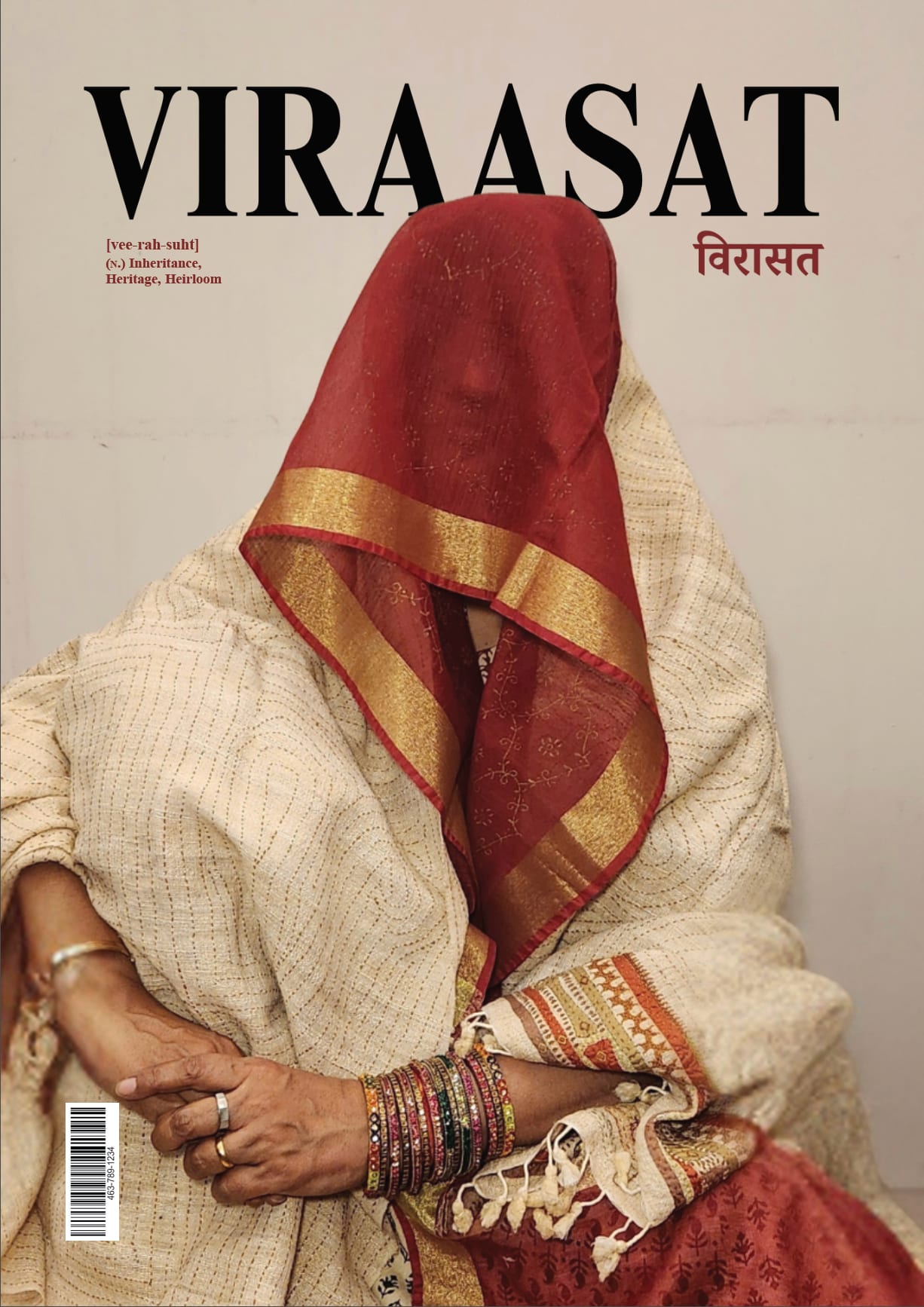
    INBETWEENERS, Shalika Nat, 2025 MA Fashion Journalism and Content Creation, London College of Fashion, UAL
  • Evocations
    Evocations, Gulbahaar Kaur Chhinna, 2025 MA Fashion Journalism and Content Creation, London College of Fashion, UAL
  • Equilibrium
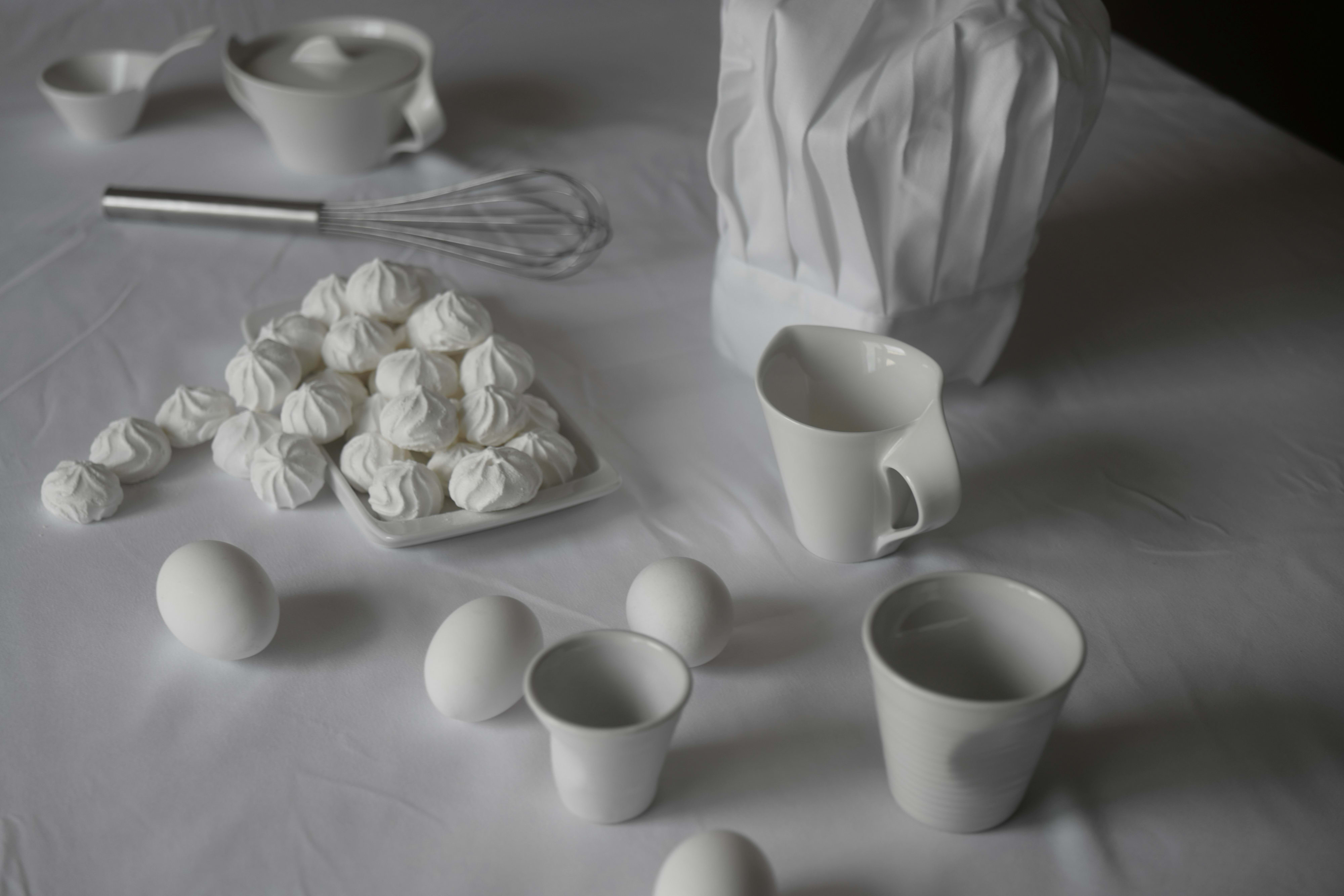
    Equilibrium, Zhijin Wu, 2025 MA Fashion Journalism and Content Creation, London College of Fashion, UAL
  • Out of Control! Girls and Curls
    Out of Control! Girls and Curls, Ellie Miller, 2025 MA Fashion Journalism and Content Creation, London College of Fashion, UAL
  • NIPS Magazine
    NIPS Magazine, Sylvia Shoshan, 2025 MA Fashion Journalism and Content Creation, London College of Fashion, UAL
  • Woof Magazine
    Woof Magazine, Maeve Cleary, 2025 MA Fashion Journalism and Content Creation, London College of Fashion, UAL

Latest news from this course

  • Lingerie meets Liberation , Sylvia Shoshan 'NIPS Magazine' MA Fashion Journalism and Content Creation 2025

    LCF25: Redefining Lingerie Through the Female Gaze with NIPS Magazine

    In this blog, we speak with Sylvia Shoshan, a soon-to-be graduate in MA Fashion Journalism and Content Creation on NIPS Magazine, her brainchild. It's a bold and refreshing take on a subject often overlooked or misrepresented: underwear. Dedicated

  • Visitors during a recent LCF graduate exhibition. Photographer: © Ana Blumenkron

    Introducing LCF's new public facing Cultural Programme

    LCF is excited to announce that from September 2023, when it opens the doors to its new home as part of East Bank, it will offer a brand-new, free, cultural programme open to the public.

  • MA22 Exhibition at Victoria House Basement. Photography by Ana Blumenkron.

    Meet our LCF Newsroom Content Creators

    We’re excited to introduce you to our first cohort of Content Creators. Hear from them on why they applied for the role and what they are looking forward to covering.

  • Image of Doddington and Rollo tower blocks at night , by Jodi Clarke - MA Fashion Journalism 2023

    LCF23: Jodi Clarke 'Battersea's Doddy’

    We got in touch with graduate Jodi Clarke from MA Fashion Journalism on her project ‘Battersea’s Doddy’ where she shares the stories of local residents of the tower block in Doddington and Rollo in Southwest London.

Facilities at LCF

Andrew Tucker, Course Leader

A fashion journalist, author and consultant with almost three decades of working in the industry, Andrew Tucker has covered some of the most renowned fashion shows in history and interviewed the world’s greatest creative luminaries – from Alexander McQueen and Gianni Versace to John Galliano and even Martha Stewart. With contributions to magazines like The Gentlewoman and Fantastic Man, Tucker continues his career as a journalist, as well as an author of fashion books and a creative advisor for British Fashion Council and LOCOG, the organisation he helped plan cultural aspects of the 2012 Olympic and Paralympic Games.

Read Andrew Tucker's full profile Read Andrew Tuckers full profile here.

Carrie Mok, Programme Director

Both as an educator and a creative director, Carrie Mok focuses her work on driving innovation through connection, co-creation and collaboration as well as nurturing creativity in its purest forms. Throughout her career, Mok has worked with leading global brands including Burberry, Louis Vuitton and Gucci, along with major educational institutions. She is also the founder of Soft Launch, a creative community incubator that supports emerging talent through mentoring, thoughtful partnerships and entrepreneurial development.

Hannah Zeilig Phd, Lecturer

A widely published researcher and an enthusiastic teacher, Hannah Zeilig is Reader in Arts and Health at London College of Fashion and a visiting research fellow at the University of East Anglia. Her work is transdisciplinary and influenced by her own experience of living with bipolar disorder. Throughout it, Zeilig explores co-creativity as an approach to support agency, wellbeing, and citizenship for people with dementia and severe mental illnesses. She supervises multiple PhD students and gives lectures on ethics, qualitative research, as well as older people and fashion.

Fees and funding

Home fee

£14,420

This fee is correct for 2026/27 entry and is subject to change for 2027/28 entry.

Tuition fees may increase in future years for new and continuing students on courses lasting more than one year. For this course, you can pay tuition fees in instalments.

Students from countries outside of the UK will generally be charged international fees. The rules are complex so read more about tuition fees and determining your fee status.

International fee

£30,890

This fee is correct for 2026/27 entry and is subject to change for 2027/28 entry.

Tuition fees may increase in future years for new and continuing students on courses lasting more than one year. For this course, you can pay tuition fees in instalments.

Students from countries outside of the UK will generally be charged international fees. The rules are complex so read more about tuition fees and determining your fee status.

Additional costs

You may need to cover additional costs which are not included in your tuition fees, such as materials and equipment specific to your course. For a list of general digital equipment you may need (and how you can borrow equipment), visit our Study costs page.

Accommodation

Find out about accommodation options and how much they will cost, and other living expenses you’ll need to consider.

Scholarships, bursaries and awards

If you’ve completed a qualifying course at UAL, you may be eligible for a tuition fee discount on this course. Find out more about our Progression discount.

You can also find out more about the Postgraduate Masters Loan (Home students only) and scholarships for Home and International students. Discover more about student funding.

If you’re based in the UK and plan to visit UAL for an Open Event, check if you’re eligible for our UAL Travel Bursary. This covers the costs of mainland train or airline travel to visit UAL.

How to pay

Find out how you can pay your tuition fees.

Scholarship search

Entry requirements

The standard entry requirements for MA Fashion Journalism and Content Creation are as follows: 

  • An Honours degree at 2.1 or above in a related discipline. Applicants with a degree in another subject may be considered, depending on the strength of the application. 
  • OR equivalent qualifications. 

APEL (Accreditation of Prior (Experiential) Learning)

Applicants who do not meet these course entry requirements may still be considered in exceptional cases. The course team will consider each application that demonstrates additional strengths and alternative evidence. This might, for example, be demonstrated by: 

  • Related academic or work experience (minimum of three years) 
  • The quality of the personal statement 
  • A strong academic or other professional reference 
  • OR a combination of these factors 

Each application is considered on its own merit. 

English Language Requirements 

IELTS level 7.0 with a minimum of 6.0 in reading, writing, listening and speaking.  

Historically, applicants come from the following academic and professional backgrounds. 

BA (Hons) - English, History, Economics, French etc – humanities as a whole 

Or 

BA (Hons) - Fashion, Textiles etc – applied and fine arts. 

Or 

BA (Hons) Journalism or Media Studies. 

MA Fashion Journalism and Content Creation regularly recruits working journalists looking to widen their professional experience into the fashion sector, given the specific skill set it requires. It is envisaged that the revalidated degree, with its emphasis on content creation and future scoping, will continue to attract such applicants.

Selection criteria

The course seeks to recruit students who can demonstrate:

  • A strong commitment and motivation towards a career in an aspect of fashion media
  • Appropriate knowledge and skills commensurate with planned entry into the course.  

Information for disabled applicants

UAL is committed to achieving inclusion and equality for disabled students. This includes students who have:

     
  • Dyslexia or another Specific Learning Difference
  • A sensory impairment
  • A physical impairment
  • A long-term health or mental health condition
  • Autism
  • Another long-term condition which has an impact on your day-to-day life

Our Disability Service arranges adjustments and support for disabled applicants and students.

Read our Disability and dyslexia: applying for a course and joining UAL information.

Apply now

Application deadline

Deadline

Round 1:

2 December 2025 at 1pm (UK time)

Round 2:

18 March 2026 at 1pm (UK time)

Decision outcome

Round 1:

20 March 2026

Round 2:

19 June 2026

Round 1
Round 2
Deadline
2 December 2025 at 1pm (UK time)
18 March 2026 at 1pm (UK time)
Decision outcome
20 March 2026
19 June 2026

We have 2 rounds of deadlines for postgraduate courses: one in December and one in March. If there are still places available after 18 March, this course will remain open to applications until all places have been filled.

Read more about deadlines

Apply now

Application deadline

Deadline

Round 1:

2 December 2025 at 1pm (UK time)

Round 2:

18 March 2026 at 1pm (UK time)

Decision outcome

Round 1:

20 March 2026

Round 2:

19 June 2026

Round 1
Round 2
Deadline
2 December 2025 at 1pm (UK time)
18 March 2026 at 1pm (UK time)
Decision outcome
20 March 2026
19 June 2026

We have 2 rounds of deadlines for postgraduate courses: one in December and one in March. If there are still places available after 18 March, this course will remain open to applications until all places have been filled.

Read more about deadlines

Apply to UAL

Start your application
or

Apply with a UAL Representative

Based across the world, our local UAL representatives can support you with your application from your home country. Check to see if there is a representative available in your country currently.

Find your representative

How to apply

Follow this step-by-step guide to apply for this course

Step 1: Initial application

You will need to submit an initial application including your personal statement, CV and written task.

Personal statement advice

Your personal statement should be maximum 500 words and include:

  • your reasons for choosing the course
  • your current creative practice and how this course will help you achieve your future plans
  • any relevant education and experience, especially if you do not have any formal academic qualifications.

CV advice

Please provide a CV detailing your education, qualifications and any relevant work or voluntary experience. If you have any web projects or other media that you would like to share, please include links in your CV. If English is not your first language, please also include your most recent English language test score.

Read our advice on preparing the tasks and documents for your initial application.

Written task advice

As part of your initial application, please complete both tasks:

Task 1: Industry analysis

Please respond to 1 of the following topics (500-1000 words):

  • Has the explosion in fashion blogging been beneficial or detrimental to the online reader experience?
  • You have been given £100,000 to launch a fashion magazine (print or online). Identify a gap in the market and how you would like to fill it.
  • By what criteria would you judge a fashion publication (print or online) to be successful or unsuccessful and why? Please analyse 2 publications of your choice that are aimed at different market sectors.
  • Is celebrity culture largely beneficial or detrimental to the fashion media industry?

Task 2: Journalistic style

Please write a journalistic piece on 1 of the following topics (500-1000 words):

  • A profile or interview with someone working in the fashion industry.
  • An analysis of a trend that goes beyond simple catwalk references that can also reflect societal, economic or technological change.

For both tasks, please use Harvard referencing to cite any research. This will not be included in the word count.

Step 2: Interview

You may be invited to an interview following our review of your application. All interviews are held online and last 15 to 20 minutes.

For top tips, see our Interview advice.

You also need to know

Communicating with you

Once you have submitted your initial application, we will email you with your login details for our Applicant portal.

Requests for supplementary documents like qualifications and English language tests will be made through the applicant portal. You can also use it to ask questions regarding your application. Visit our After you apply page for more information.

Applying to more than 1 course

You can apply for more than 1 postgraduate course at UAL but we recommend that you apply for a maximum of 3 courses.

As every course has its own entry and assessment requirements, we recommend tailoring each application to showcase how your experience, skills and interests match that course. Applying for many different courses may make it more difficult for you to show that you are suitable for each course in a competitive admissions process.

Only apply to the course(s) you are most interested in – applying for too wide a range of different courses may reduce your ability to clearly demonstrate your suitability for each. It’s better to make fewer bespoke applications than many generic ones. This will help you to stand out where we have high demand for places.

If you receive offers for multiple courses, you'll only be able to accept 1 offer. UAL doesn't accept repeat applications to the same course in the same academic year.

Visas and immigration history check

All non-UK nationals must complete an immigration history check. Your application may be considered by our course teams before this check takes place. If your course requires a portfolio and/or video task, we may request these before we identify any issues arising from your immigration history check. Sometimes your history may mean that we are not able to continue considering your application. Visit our Immigration and visas advice page for more information.

External student transfer policy

UAL accepts transfers from other institutions on a case-by-case basis. Read our Student transfer policy for more information.

Alternative offers

If we are unable to consider you for the course you have applied to but your application is really strong, we may make you an alternative offer on a different course or at a different UAL College. This happens when our admissions tutors have found another course that they believe would be a strong match for your skills and interests.

Deferring your place

We do not accept any deferral requests for our postgraduate courses. This means that you must apply in the year that you plan to start your course and you will not be able to defer your place to start at a later date.

Application deadlines

Most of our postgraduate courses have 2 rounds of deadlines: one in December and one in March.

As long as you apply ahead of each deadline we will consider your application alongside all the other applications in that round. We always make sure to hold enough places back for round 2 to make sure we can consider your application fairly, no matter which round you apply in.

If there are still places available after the second deadline, the course will remain open to applications until all places have been filled.

For our MBA courses, there is only 1 deadline. This is 31 July for international applicants and 31 August for UK applicants. This is to make sure you have enough time to apply for your visa if you are an international student.

For our January-start courses, the deadline is in October. If there are still places available after this deadline, the course will remain open to applications until all places have been filled.

Careers

Your future employability is central to all our courses and as a student with us you’ll have access to a wealth of resources to prepare you for your future career in the fashion industry. Graduate Futures is our dedicated employability team who will work with you throughout your time with us to get you ready for employment. There are also a variety of opportunities on the course to enhance your employability.

Industry Engagement

Throughout the course, you’ll engage with a wide range of industry experiences designed to sharpen your voice and expand your professional network. Teaching is shaped by practising journalists, editors, content strategists, stylists and digital storytellers, ensuring your work is informed by current conversations in fashion and media.

You’ll learn through live publishing, guest lectures, editorial critiques and collaborative projects that mirror real-world workflows. Students regularly work on interviews, features, multimedia stories and digital content that reflect the evolving demands of modern fashion communication. Opportunities for industry insight may include panel discussions, newsroom-style workshops, trend forecasting sessions and brief-based projects with media partners.

Over the years we have worked with a diverse range of media and commercial partners including The British Fashion Council and London Fashion Week, The Wick Newspaper, Oliver Bonas, Dr Barnados, Estée Lauder and many others.

Potential careers

The course develops your skills in journalism, research, content strategy, narrative development, multimedia storytelling, audience engagement and editorial production. Graduates are well-placed for careers across fashion and wider creative industries, including:

  • Fashion and culture journalism
  • Feature writing and editing
  • Content creation and digital storytelling
  • Social media and community management
  • Fashion critique and cultural commentary
  • Creative strategy and brand storytelling
  • Broadcast and podcast production
  • Trend analysis and research roles
  • Freelance writing, editing and consulting.

The course also supports students who wish to build independent media platforms or pursue further research. A former alum, Rebecca C Tuite, developed her first book Seven Sisters Style: The All-American Preppy Look (Rizzoli), as part of her MA project at LCF. She is also the author of 1950s in Vogue: The Jessica Daves Years, 1952-1962, published by Thames & Hudson and Chanel in Vogue, which also will be published by Thames & Hudson in March 2026.

LCF alumni

Graduates from MA Fashion Journalism and Content Creation have gone on to contribute to leading publications, agencies and creative organisations. A standout example is Ella Alexander, Online Deputy Editor at Harper’s Bazaar — a role that highlights the level of editorial expertise, industry understanding and creative confidence the course helps you to develop.

Graduates also go on to work across a number of titles, both in legacy and digital media. Notable alumni include: Olivia Philips, Group Editor in Chief of Harper's Bazaar Arabia, Irene Ojo-Felix, Editorial Director at Models.com, Laura Hawkins Fashion Features Editor at British Vogue. More recent graduates from 2025 include: Tiarna Meehan, Beauty Writer at Dazed and Marcus Mitropoulos, the London Style Writer for GQ UK.