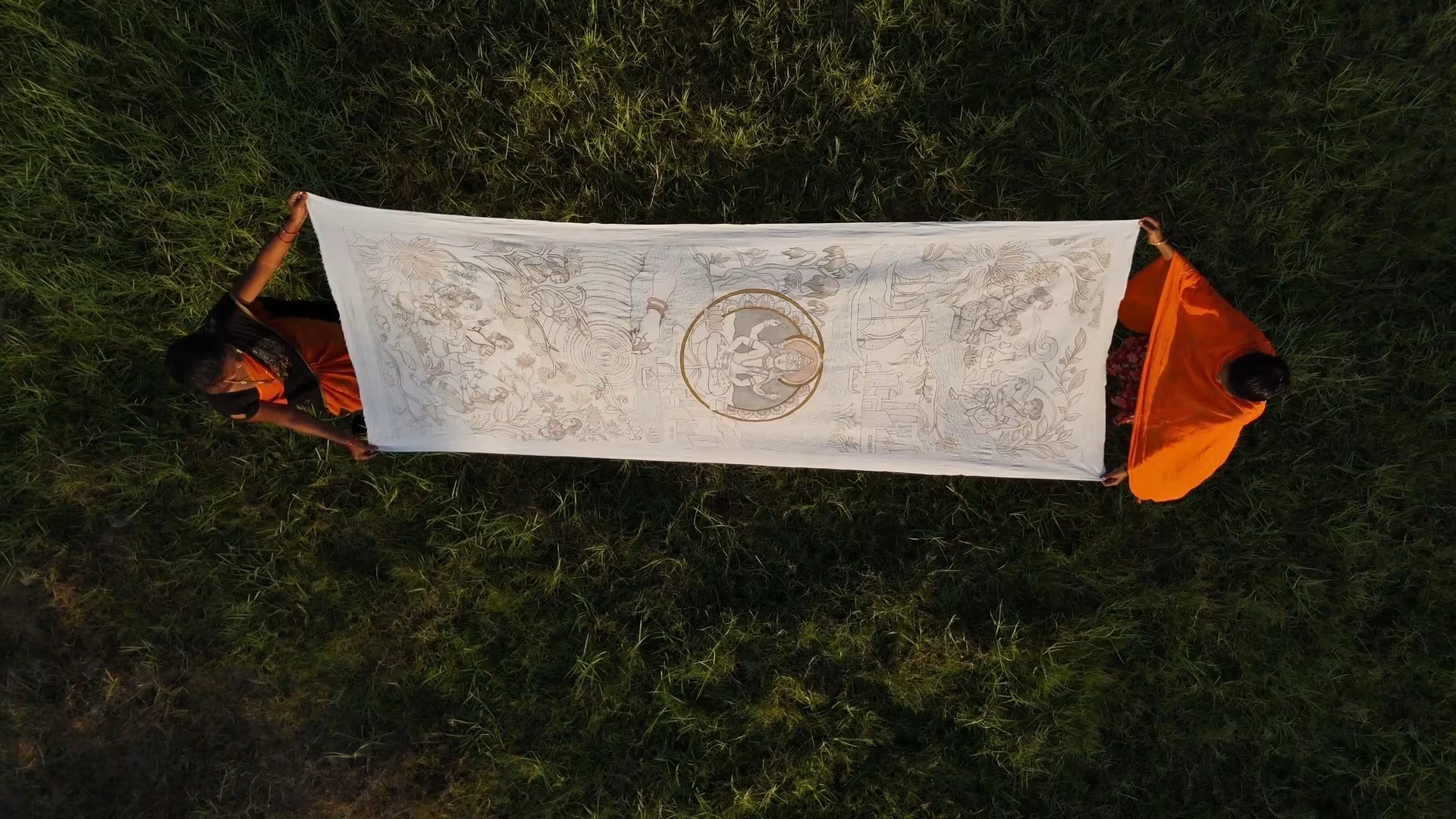

Congratulations to all the 2026 Re:Generating Creativity Award winners! The work reflects the breadth of creative practice emerging from CSM, spanning disciplines, materials and approaches. The award celebrate projects engage with challenges, communities and conversations shaping contemporary creative practice.
Nominated made by Course Leaders across the College and a panel of 5 recent CSM graduates, this year’s winners represent a new generation of practitioners bringing their own perspectives, experiences and ambitions to contemporary creative practice.
Winning pieces become a part of CSM Museum and Study Collection. You can view the projects on UAL showcase.
-
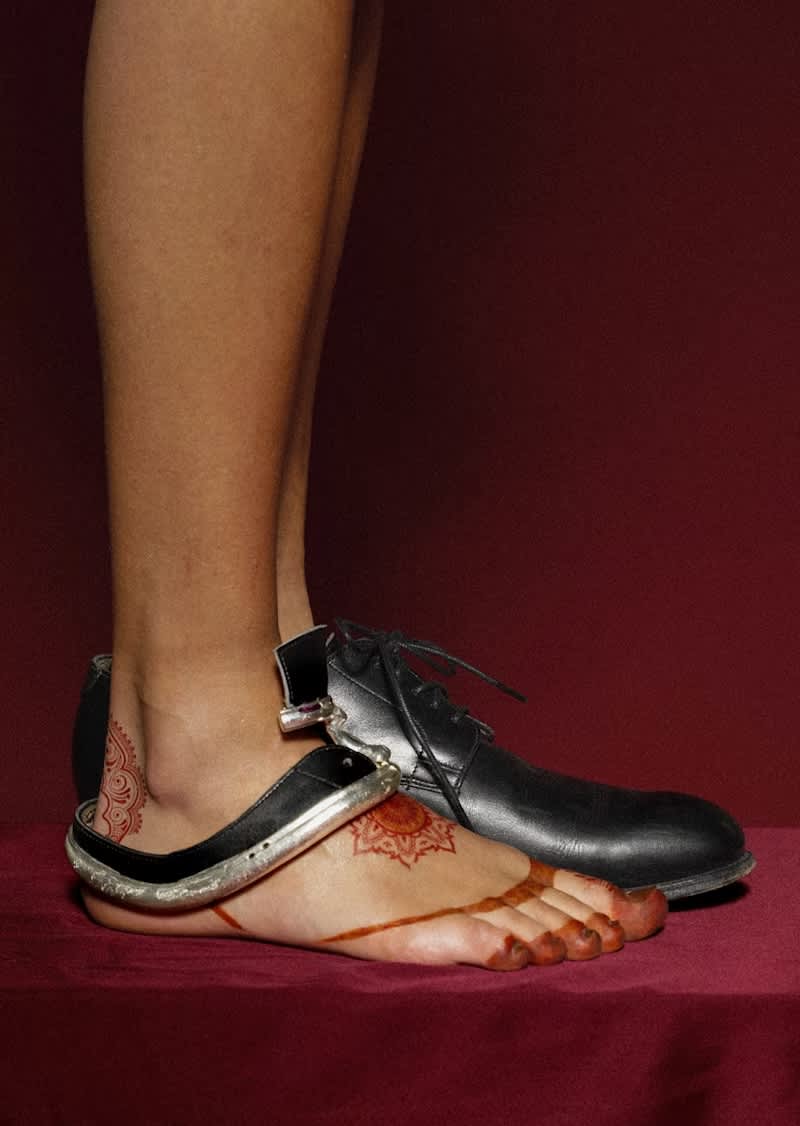
"A Suit Of Mixed Origin" by Mia Singh.
-

'Table Manners' - BA Jewellery Design - Pete Flowers
This year’s panel of recent CSM graduates and winners of the Graduate Award brought perspectives from across the College’s disciplines. The five panelists were; Elie Al-Marji (MA Biodesign), Thi-Uyen Nguyen (BA Graphic Communication Design), Freda O. Igiogbe (BA Ceramic Design), Bri Leung (BA Performance: Design and Practice) and Suzanne Abell (MA Art and Science), all graduating in 2025.
We caught up with the panelists to hear what they looked for in the nominated works, what the award means to emerging practitioners and how graduates can help shape the future of creative practice.
Q1: What did winning the Award mean to you, and how did it impact your graduate journey?
Freda: This award validates the long hours, the emotional vulnerability, and the risks I’ve taken in exploring themes that are personal and sometimes uncomfortable. It gave me the confidence to believe that my voice and perspective have a place in the wider contemporary scene
Elie: It was deeply meaningful to me. I came to Central Saint Martins after almost two decades in the creative industry, but instead of building on what I already knew, I chose to disrupt it. I stepped away from communication design and into biodesign, becoming a beginner again. The award affirmed that decision and recognised the risk, experimentation and persistence behind ALWAKIA (Arabic for ‘The Protectress’, a bio-fabricated resistance armor constructed using bacterial nacre). It gave the project greater visibility, but more importantly, it gave me momentum to push my bio design practice beyond graduation.
Q2: What were you looking for at the shows, and what drew you to the three works you nominated?
Bri: I was looking for work that genuinely excited me. I wanted to see work that interrogates how people navigate the complexities of the modern world and challenge us to reimagine the ways we exist within it. My first response was always emotional. I was looking for work that I would not forget, that felt urgent in what it was trying to say.
Suzanne: As an ecologically based artist, the perspectives of gender and post-colonial related histories were important, relevant issues to represent in my selection. I was drawn towards a clear narrative, intriguing ideas and an innovative approach. Demonstration of a high level of research, experimentation and clarity of thought, along with collaboration, featured strongly in my choices, as well as a multidisciplinary approach to making.
Q3: What role do you think emerging creative practitioners have to play in shaping a better future?
Thi: My work primarily exists within social justice groups and primary schools. From this, I have met other emerging creatives who have transformed their studies into everyday resources to facilitate workshops with people on the ground. There are so many roles emerging artists can take so I think it's always vital to be reflective on how these actions are pursued.
To shape a better future, I believe that it’s important for emerging artists to acknowledge their positionalities and the access they have to the arts, such as to higher and private education. This ensures that our work becomes informed by what our communities need rather than working off our own biases and withinacademic bubbles.
Freda: I think all emerging creative practitioners have a vital role to play in shaping a better future, we are all experiencing the world through a contemporary lens. As new social, political, and environmental challenges emerge, creatives often develop innovative ways of responding to these issues through their creative practice. At the same time, they use their work to tell stories rooted in lived experience, creating opportunities for connection, empathy, and dialogue. By sharing diverse perspectives and challenging established ways of thinking, emerging creatives can encourage meaningful conversations and inspire positive social and cultural change.