Postgraduate

Graduate Diploma Interior Design

Start date:
September 2026
Application deadline:
Applications closed for 2026/27 entry
College:
Chelsea College of Arts
Fees:
£14,420 (Home) £30,890 (International) Fee details
Course length:
1 year (full time)

Graduate Diploma Interior Design, Chelsea College of Arts, UAL

Graduate Diploma Interior Design at Chelsea College of Arts supports the development of your interior design knowledge and skills, aiding your transition into the interior design profession.

Course summary

Applications closed 2026/2027

Applications are now closed for 2026/27 entry. Applications for 2027/28 entry will open in autumn 2026.

Course completion guidance

After the 2026/27 student intake we’ll be pausing our Graduate Diploma courses as a part of a review of our postgraduate offering.

If you join the course in 2026/27 you’ll get the full experience as advertised on this page.

Students must pass all course units first time or after a successful resubmission within the same academic year.

Course overview

The course is equivalent to the third year of an interior design undergraduate course. As well as helping you to progress onto postgraduate level study, the course will also aid your transition into the professional world of interior design. Students on this course come from many different backgrounds but most have already gained a first degree.

What to expect

  • Practical skills: Learn how to connect with interior design in a variety of ways, such as through designing, visually communicating, researching and writing. 
  • An open-minded approach: You’ll be exposed to new ideas and information when thinking about interior design. You’ll engage with contemporary design approaches. 
  • A range of projects: Work on various projects across the field of interior design. You’ll have the opportunity to focus on your personal interests within social, retail, restaurants, hotel and residential spaces. 
  • Design skills: Improve your application of conceptual, production and critical skills within the design process through input from professional practitioners, group crits, workshops, seminars and discussions. 
  • Personal and professional development: You’ll have opportunities to improve your skills through bespoke sessions, talks with industry practitioners and postgraduate seminars.  
  • Access to Chelsea's shared workshops: These include ceramics, casting, laser cutting, photography, audio-visual editing, metal and woodwork. View the Chelsea facilities.

Industry experience and opportunities

Students will be invited to take part in a 'Live' project competition to design to an external client's brief. The client type, programme and opportunity will vary each year. Students are encouraged to attend trade fairs, exhibitions, conferences and other industry events to network with professionals.

Mode of study

Graduate Diploma Interior Design is offered in full-time mode and consists of 30 teaching weeks over 1 academic year. You will be expected to commit an average of 40 hours per week to your course, including teaching hours and independent study.

Contact us

Register your interest to receive information and updates about studying at UAL.

Register your interest

Contact us to make an enquiry.

Postgraduate advice sessions

Discuss your application, portfolio and course options.

Book a session

College Tours

Come and see our facilities and workshops.

Book a tour

Course units

Unit 1: Elements of Interior Design

This unit is an introduction to your course, the College and the University. Projects will focus on the design of a series of domestic and residential spaces. You’ll create a design proposal, exploring the different ways of analysing design problems. This could include sketching, collage, technical drawing and model-making techniques. You’ll then build your designs using a selection of materials, construction techniques and technologies. As these designs develop, you’ll be encouraged to consider the cultural, social and sustainable impact of your practice. This will help you fully understand interior design as both a creative and professional process.

Unit 2: Comprehensive design project

In this unit, you’ll initiate your own design project in the public realm. You’ll choose a location, make an analysis of an interior and establish a design brief for a new programme of habitation or occupation. You’ll consider the material concerns and experiential qualities, including fabrication, construction and sustainability. You’ll produce written work to support your methodology and outcomes. During workshops, you’ll undertake exercises in site analysis and present your design solutions to your peers. There will also be talks hosted by artists, designers and architects. At the end of the course, you’ll present your work at the College show.
Learning and teaching methods

  • Group and individual tutorials
  • Group crits, demonstrations and workshops
  • Lectures and seminars
  • Peer review
  • Teaching by practitioners
  • Visiting specialists

Assessment methods

  • Engagement and participation in class
  • Oral and visual presentations
  • Peer assessment
  • Self-assessment
  • Visual presentation in form of portfolio book
  • Written work that includes essay and personal blog with all written exercises included

Graduate Diploma Interior Design | Course Introduction

Student work

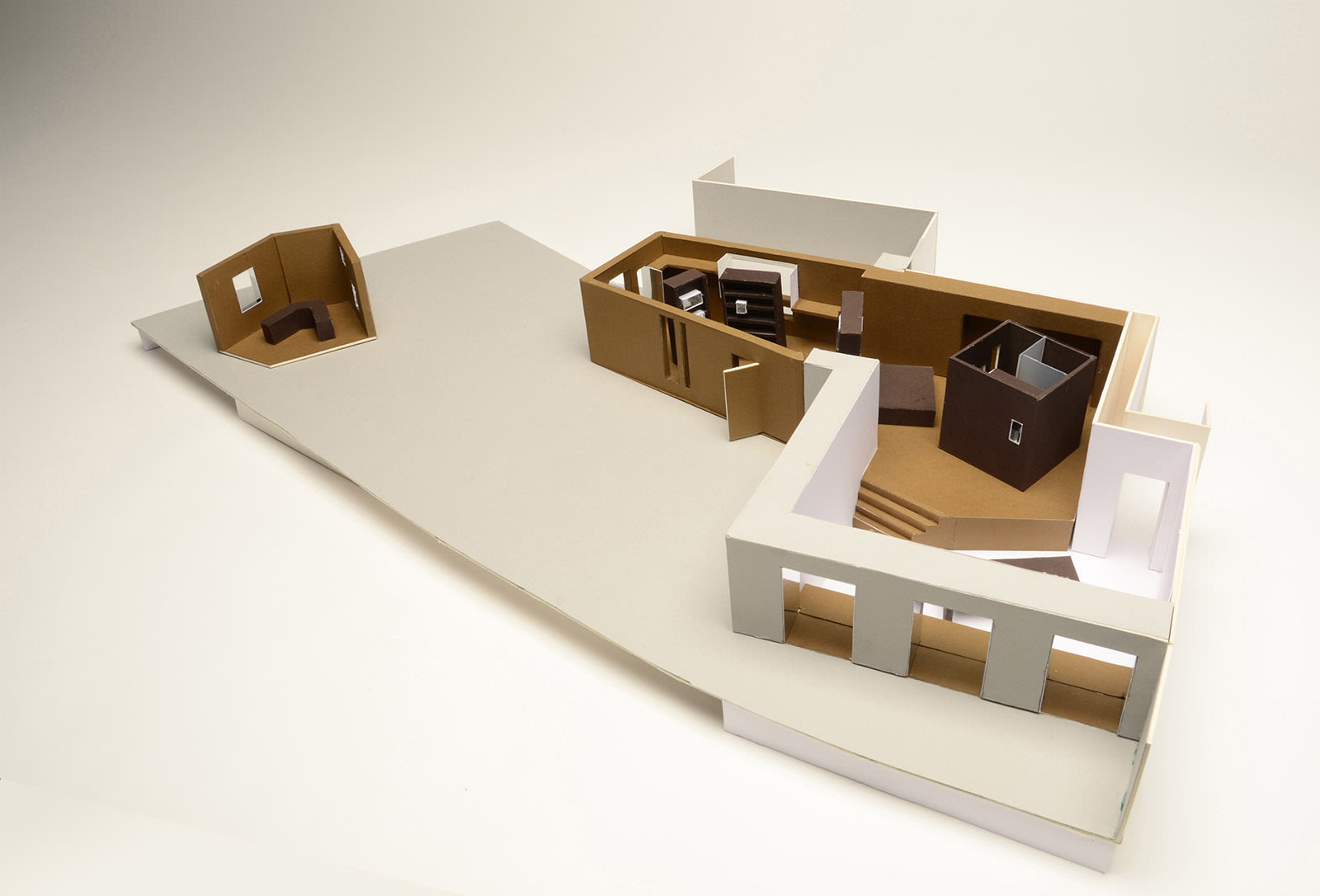
  • Architecture model by Victoria Lin.
    Victoria Lin - Graduate Diploma Interior Design
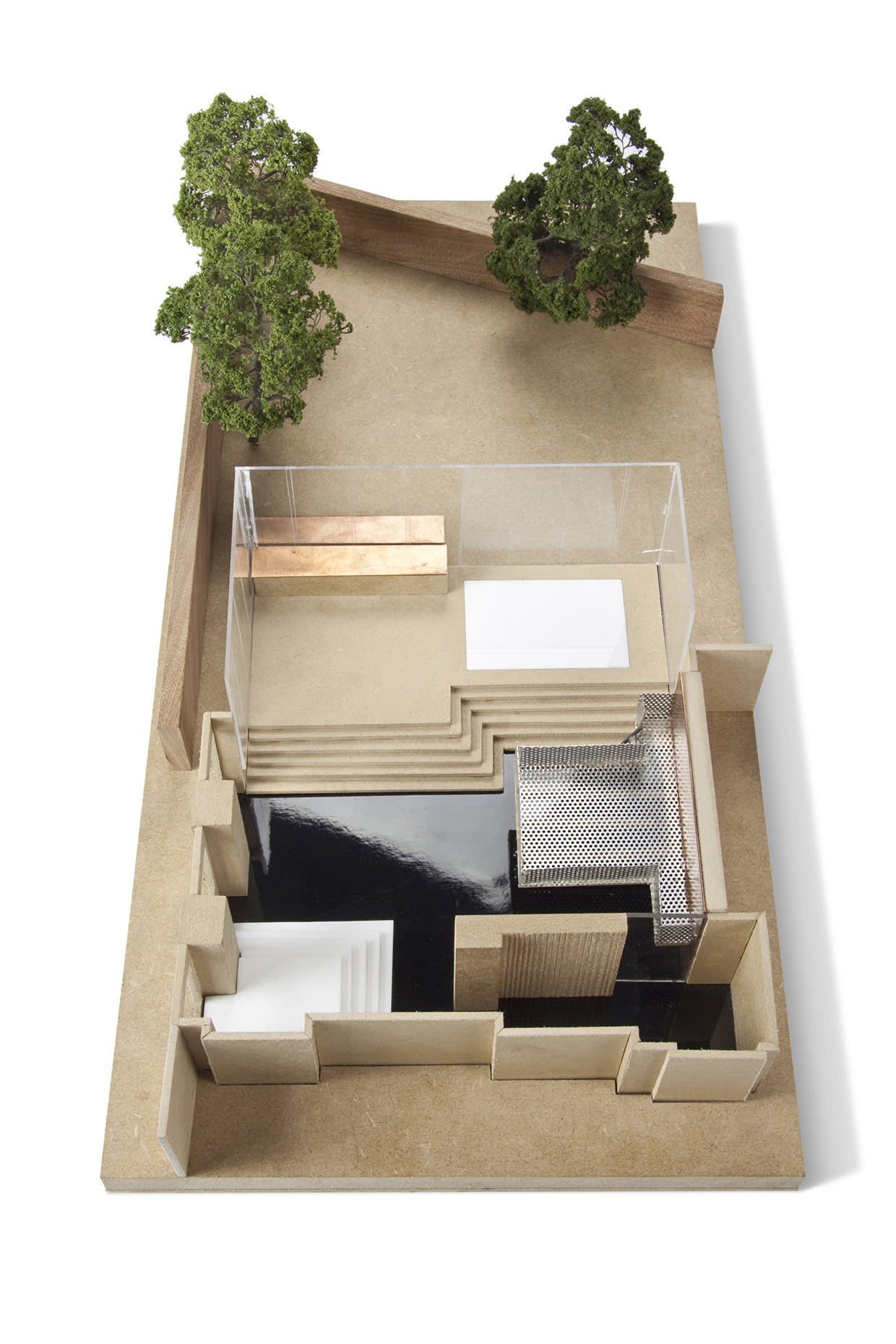
  • Architecture model by Anna Mackie.
    Anna Mackie - Graduate Diploma Interior Design
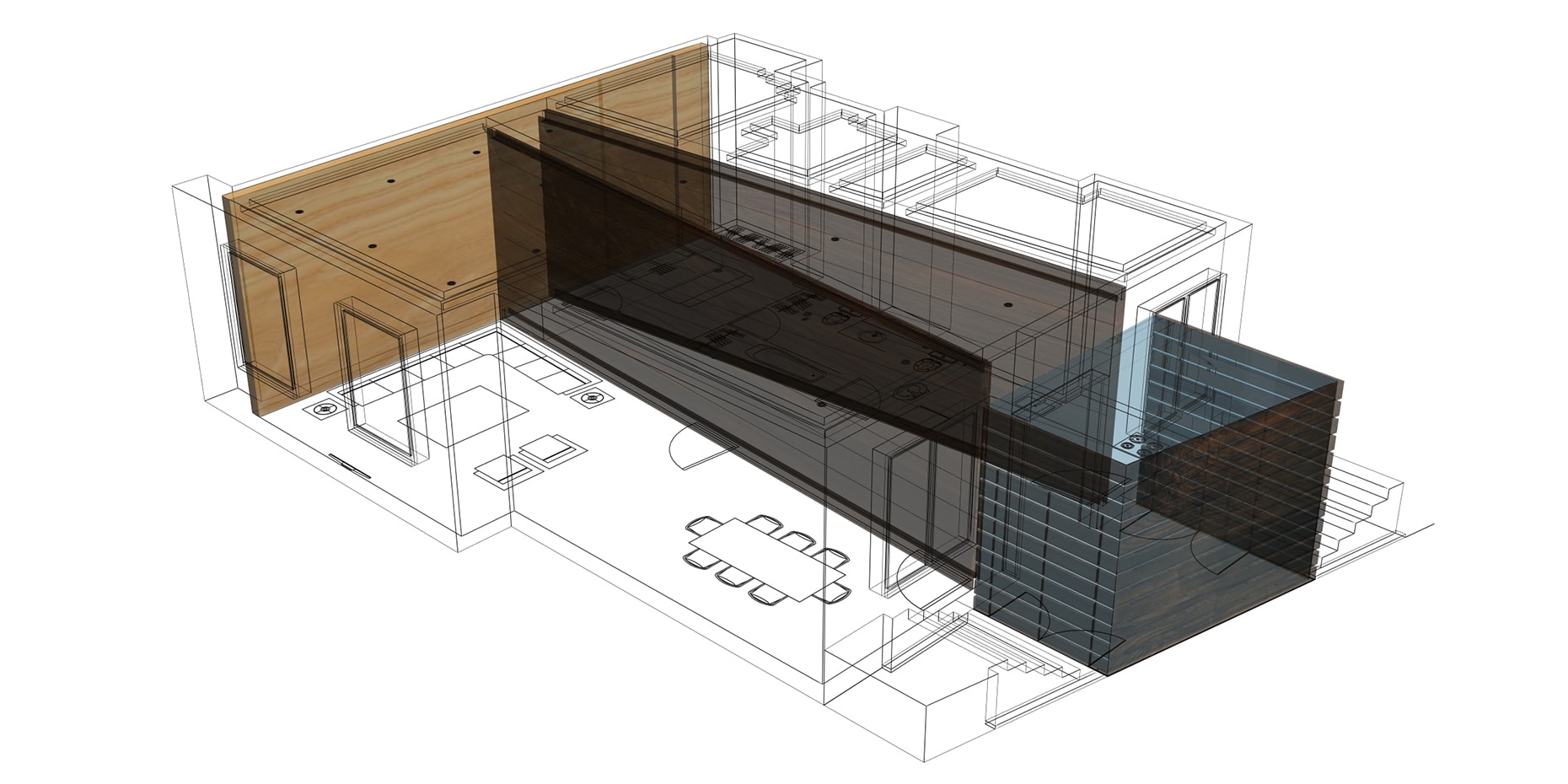
  • Computer generated architecture drawing by Sara Alrashed.
    Sara Alrashed - Graduate Diploma Interior Design

Staff

  • Scott Gowans - Course Leader

Fees and funding

Home fee

£14,420

This fee is correct for 2026/27 entry and is subject to change for 2027/28 entry.

Tuition fees may increase in future years for new and continuing students on courses lasting more than one year. For this course, you can pay tuition fees in instalments.

Students from countries outside of the UK will generally be charged international fees. The rules are complex so read more about tuition fees and determining your fee status.

International fee

£30,890

This fee is correct for 2026/27 entry and is subject to change for 2027/28 entry.

Tuition fees may increase in future years for new and continuing students on courses lasting more than one year. For this course, you can pay tuition fees in instalments.

Students from countries outside of the UK will generally be charged international fees. The rules are complex so read more about tuition fees and determining your fee status.

Additional costs

You may need to cover additional costs which are not included in your tuition fees, such as materials and equipment specific to your course. For a list of general digital equipment you may need (and how you can borrow equipment), visit our Study costs page.

Accommodation

Find out about accommodation options and how much they will cost, and other living expenses you’ll need to consider.

Scholarships, bursaries and awards

If you’ve completed a qualifying course at UAL, you may be eligible for a tuition fee discount on this course. Find out more about our Progression discount.

You can also find out more about the Postgraduate Masters Loan (Home students only) and scholarships for Home and International students. Discover more about student funding.

If you’re based in the UK and plan to visit UAL for an Open Event, check if you’re eligible for our UAL Travel Bursary. This covers the costs of mainland train or airline travel to visit UAL.

How to pay

Find out how you can pay your tuition fees.

Scholarship search

Entry requirements

The standard minimum entry requirements for this course are:

  • BA (Hons) degree or equivalent academic qualifications
  • Evidence of ability in art or design
  • Alternative qualifications and experience will also be taken into consideration
  • Personal statement
  • Portfolio of work

Entry to this course will also be determined by the quality of your application, looking primarily at your portfolio of work and personal statement.

APEL - Accreditation of Prior (Experiential) Learning

Applicants who do not meet these course entry requirements may still be considered in exceptional cases. The course team will consider each application that demonstrates additional strengths and alternative evidence. This might, for example, be demonstrated by:

  • Related academic or work experience
  • The quality of the personal statement
  • A strong academic or other professional reference
  • A combination of these factors

Each application will be considered on its own merit but we cannot guarantee an offer in each case.

English language requirements

All classes are taught in English. If English isn't your first language you must provide evidence at enrolment of the following:

Selection criteria

We look for:

  • Evidence of visual and conceptual creative abilities
  • Understanding of scale measured drawings, model making and computer aided design (CAD). Some exception may be made with regards to applicants with a different background who can demonstrate an equivalent exploration of spatial ideas.
  • The ability to communicate concepts. Ideas and processes in the development of proposals.
  • Enthusiasm for developing skills in spatial design

Information for disabled applicants

UAL is committed to achieving inclusion and equality for disabled students. This includes students who have:

     
  • Dyslexia or another Specific Learning Difference
  • A sensory impairment
  • A physical impairment
  • A long-term health or mental health condition
  • Autism
  • Another long-term condition which has an impact on your day-to-day life

Our Disability Service arranges adjustments and support for disabled applicants and students.

Read our Disability and dyslexia: applying for a course and joining UAL information.

How to apply

Follow this step-by-step guide to apply for this course

Step 1: Initial application

For a general guide to applying to our courses, read our postgraduate application advice.

You will need to submit an initial application including your personal statement and CV.

Personal statement advice

Your personal statement should be maximum 500 words and include:

  • your reasons for choosing the course
  • your current creative practice and how this course will help you achieve your future plans
  • any relevant education and experience, especially if you do not have any formal academic qualifications.

CV advice

Please provide a CV detailing your education, qualifications and any relevant work or voluntary experience. If you have any web projects or other media that you would like to share, please include links in your CV. If English is not your first language, please also include your most recent English language test score.

Step 2: Digital portfolio

We will review your initial application. If you have met the standard entry requirements, we will ask you to submit a digital portfolio.

You’ll need to submit this via PebblePad, our online portfolio tool.

Digital portfolio advice

Your portfolio should consist of recent work that reflects your creative strengths.

It should:

  • be maximum 30 pages
  • include a wide range of creative design work. Ideally this work should focus on spatial aspects but does not need to be specifically related to interior design. For example, you could include work that considers architectural elements or furniture design
  • include experimental work that uses different techniques and media.

For more support, see our Portfolio advice and PebblePad advice.

Step 3: Interview

You may be invited to an interview following our review of your application. All interviews are held online and last 15 to 20 minutes.

For top tips, see our Interview advice.

Final step: After you apply

Find out how we'll communicate with you and see what happens after you apply.

Apply now

Application deadline

Applications are now closed for 2026/27 entry. Applications for 2027/28 entry will open in autumn 2026.

Read more about deadlines

Apply now

Application deadline

Applications are now closed for 2026/27 entry. Applications for 2027/28 entry will open in autumn 2026.

Read more about deadlines

Careers

Many of our graduates go on to further study programmes in interior design and other related disciplines, and we also encourage students to arrange a meeting with an employability adviser from the University's Student Jobs and Careers service before students leave.

If you successfully pass your Graduate Diploma, we will guarantee you a conditional offer on MA Interior Spatial Design at Camberwell College of Arts starting the following year.

Alumni

Find out how careers and employability helps our students and graduates start their careers.