Postgraduate

MRes Art: Theory and Philosophy

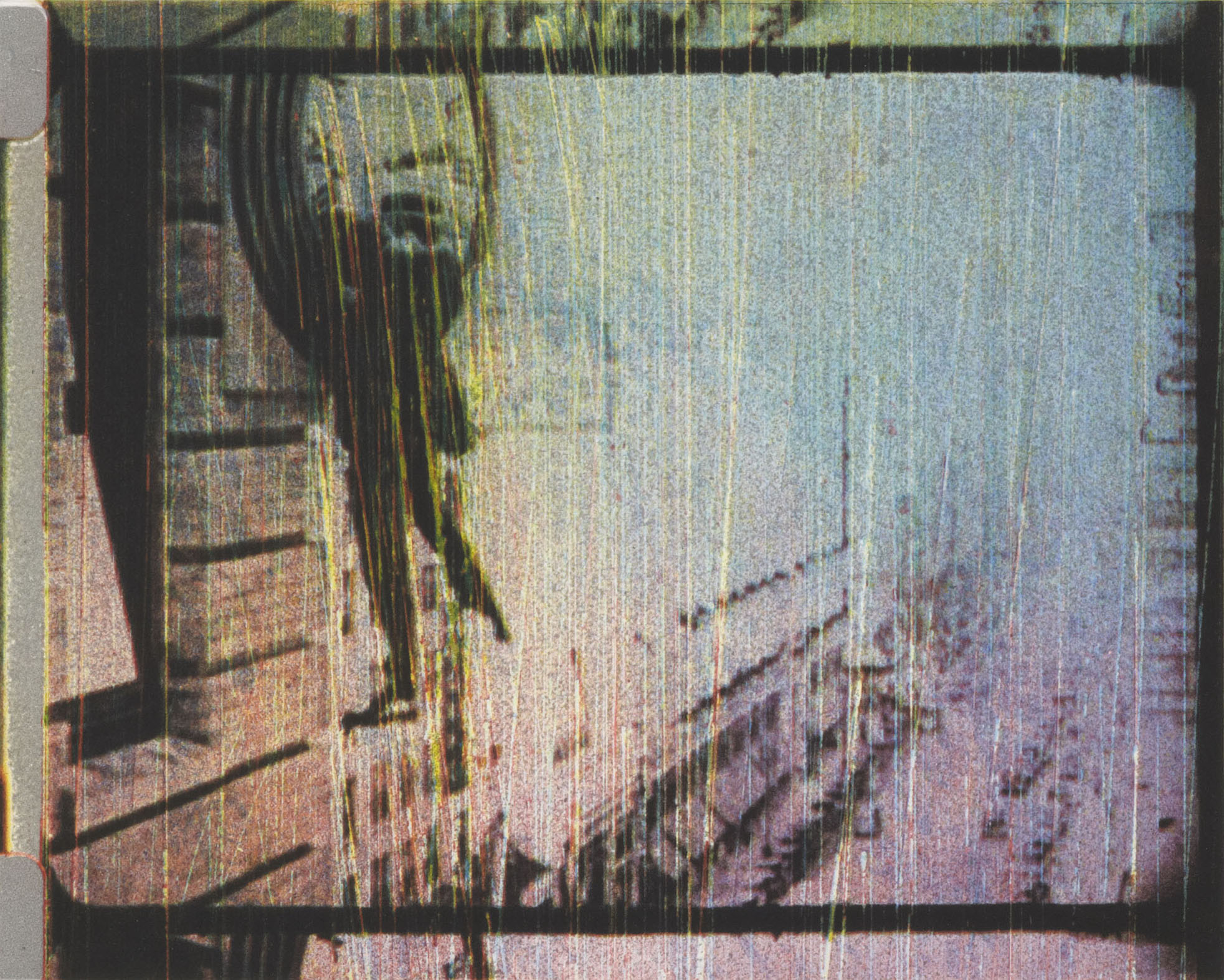
Blurred white and grey image with the outline of a dark clock on the left
Image courtesy of UAL,
College
Central Saint Martins
Start date
September 2026
Course length
Two years (60 weeks)
Extended full-time

MRes Art: Theory and Philosophy promotes dialogue between practitioners and theorists about art discourse today.

Course summary

Apply now to start in September 2026

Applications are open for this course. Apply by 18 March for equal consideration.

Suited to artists and writers, this pathway explores art and the philosophy of art from a contemporary perspective, embracing major ideas and debates of the past and present. The MRes Art course is part of the Art programme.

Why choose this course at Central Saint Martins

  • Exchange of ideas: You will benefit from productive exchanges and development of ideas between the three MRes Art pathways and the Art programme practitioners.
  • Professional world of research and debate: You will be introduced to the professional world of research and debate, supported by lectures and seminars from  scholars, philosophers and artists.
  • Tutorial support and exhibition participation: You will receive continuing tutorial support in your practice as a writer and, where appropriate, as an artist or curator. You will also have the opportunity to take part in the degree show at the College.
  • Post-studies success: Our graduates are well placed to progress to MPhil or PhD research or go on to a professional future in academic institutions, the arts and publishing.
  • London as a cultural centre: Your learning will benefit from the opportunities that London’s cultural venues and galleries offer.

Open days

The next open day for this course will take place on Tuesday 24 February. Book now.

Recordings

Watch a recording of the recent MRes Art: Theory and Philosophy open day.

Scholarships, bursaries and awards

Course overview

MRes Art is made up of three specialist pathways: Theory and Philosophy; Moving Image; and Exhibition Studies. MRes Art uses research and writing to develop modes of questioning, speculative thinking and critical evaluation. Drawing upon a wealth of scholarly expertise from the staff team, visiting lecturers and practitioners, the course considers the relationship of contemporary art research to wider aesthetic, cultural and socio-political issues.

There are opportunities for students on each pathway to come together for shared taught components both on campus and on-line. You will also be encouraged to develop student-led activities. In the past, our students have collaborated on research even, exhibitions and publications. 

The Theory and Philosophy pathway is for artists and writers who want to study philosophy and art from a contemporary perspective. You will investigate how radical innovations in philosophy today can facilitate not just an understanding of art, but also how they can shape developments in writing and art practice.

This pathway has a uniquely informed dynamic of teaching and group dialogue. This is assisted by the staff team’s research practice which is engaged in the areas of both art and philosophy. The theories that the curriculum draws upon are at the forefront of thinking today. These include continental philosophy, the Marxist intellectual tradition, studies in decoloniality, intersectionality, feminism, ecology and phenomenology. You will also study relevant theories for the plurality of art today within its socio-political context. These include theories of aesthetics, psychoanalysis, gender, race, linguistics, performance, affect, neuroscience, cybernetics, the algorithmic condition and the Anthropocene. 

MRes Art: Theory and Philosophy responds to the radical transformation that thinking has undergone in recent years. As a consequence of this, approaches to writing theory have also changed, by adopting more fluid, less didactic models of practice. The purpose of this pathway is to enhance your thinking, writing and, if relevant, art practice in light of ongoing transformations in philosophy, theory and knowledge. 

Contact us

Register your interest to receive information and updates about studying at UAL.

Contact us to make an enquiry.

Course units

MRes Art: Theory and Philosophy is dedicated to creative and flexible ways in which its ideas can merge with your own interests. Alongside an intensive program of seminars which deepen your knowledge, the pathway also supports your own developing lines of enquiry and research, especially towards the end of the first year and throughout the second year of the course. 

The curriculum will advance your research abilities and knowledge in both theoretical and art-related fields. Enabling an understanding of key issues and debates informing art discourse and practice today, the curriculum incorporates a wide range of practices – writing, publishing, group discussions, tutorials, gallery visits and public symposia – as integral to your studies. 

Unit 1: Innovations: Art, Writing, Philosophy

Responding to the question posed by the title of their 1991 book What Is Philosophy? Gilles Deleuze and Félix Guattari declare that "Philosophy is the art of forming, inventing, and fabricating concepts." By this, the authors infer that philosophy not only invents new ideas, theories and forms of cognition but, equally, that it opens up new realms of perception and subjective experience. The teaching on the pathway, as well as the writing and research it supports, takes up the consequent challenge of these innovations for art and cultural and social discourses. It affirms the innovations created by philosophical thought and its difference from traditional, categorial assumptions of knowledge.

Unit 1 will enable you to absorb and understand the seminal advances and speculative thinking developed by philosophy. It conceptually maps the legacies of continental philosophy for thinking, writing and art today. This opens up new possibilities for thinking and writing, as well as advances ways by which to interpret and contribute to developments in art, culture and the social today.

Unit 2: Methodologies and Methods I

Unit 2 is an opportunity for all the students in the MRes Art course to study together. The unit has a core group of categories and approaches that have defined fundamental positions and concerns across the humanities, social sciences and arts. The unit maps out various schools of thought, methodologies and concepts that will help you to shape and define your research topics and aims.

Unit 3: Methodologies and Methods II

Following on from Unit 2, this unit deepens your understanding of specific artistic and discursive methods. You will examine how they operate in specific texts, debates and events by relating them to the pathways’ respective subject areas. Seminars and workshops are integral to the unit, in which methods of research and writing are collectively tested.

Unit 4: Individual Research Project

Unit 4 has two parts. Part one continues the seminar series in Unit 1 concerned with philosophical innovations and their relevance for thinking and writing. Additionally, you will also focus on developing your research project proposal. This involves reading and viewing, the formulation of appropriate research questions and methods. You will also produce a literature review.

In part two, you will lead presentations about your research. You will discuss progress, challenges and findings and issues of form, audience and dissemination. At the end of Unit 4 you will be assessed through presentation of your realised research project in the agreed forms. 

Pathway leaders and visiting lecturers will support the development of your research project. You will have an opportunity to present your research in a visual form in the School’s Showcase at the end of your studies.  

Important note concerning academic progression through your course: 

If you are required to retake a unit you will need to cease further study on the course until you have passed the unit concerned. Once you have successfully passed this unit, you will be able to proceed onto the next unit. Retaking a unit might require you to take time out of study, which could affect other things such as student loans or the visa status for international students. 

CSM Academic Support is delivered by a team of academics and practitioners working alongside your course to help you progress and achieve your maximum potential as a student. Academic Support can help you to develop your skills in different areas, including critical thinking, research and writing, time management, presentations and working independently and collaboratively. These may be offered as part of your timetabled classes or as bookable tutorials and workshops. 

Mode of study

MRes Art is offered in extended full-time mode which runs for 60 weeks over two academic years. You will be expected to commit 30 hours per week to study, which includes teaching time and independent study.  

The course has been designed in this way to enable you to pursue studies, while also undertaking part-time employment, internships or care responsibilities.  

Credit and award requirements

The course is credit-rated at 180 credits. 

On successfully completing the course, you will gain a Master of Research (MRes degree). 

Under the Framework for Higher Education Qualifications, an MRes is Level 7. All units must be passed in order to achieve the MRes but the classification of the award is derived from the marks for the third and fourth units. 

If you are unable to continue on the course, a Postgraduate Certificate (PG Cert) will normally be offered following the successful completion of 60 credits.  
Learning and teaching methods

The learning and teaching methods devised for this course include: 

  • Briefing materials, written guidance and meetings
  • Inductions and workshops 
  • Lectures and guest speakers 
  • Project proposal document for individual programme of study (Year 2) 
  • Collaborative project opportunities 
  • Personal and group tutorials 
  • Seminars 
  • Symposia 
  • Presentations and discussion forums 
  • Recommended reading, exhibition viewing and visits 
  • Independent study 
  • Self-critical and peer evaluation 
  • Assessment feedback 

Assessment methods

  • Research and preparatory work 
  • Project proposal document 
  • Essays 
  • Documentation of work 
  • Verbal and visual presentations 
  • Participation in activities and debate 
  • Realised project work (normally written outputs) 

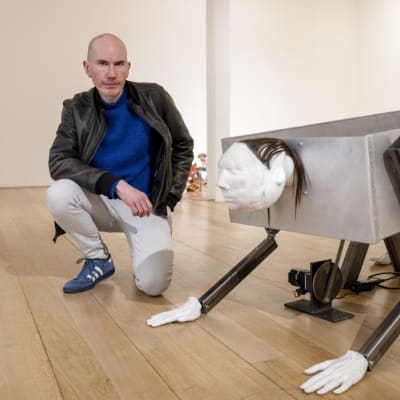
Meet Course Leader Christopher Kul-Want and students

UAL Showcase

Explore work by our recent students on UAL Showcase

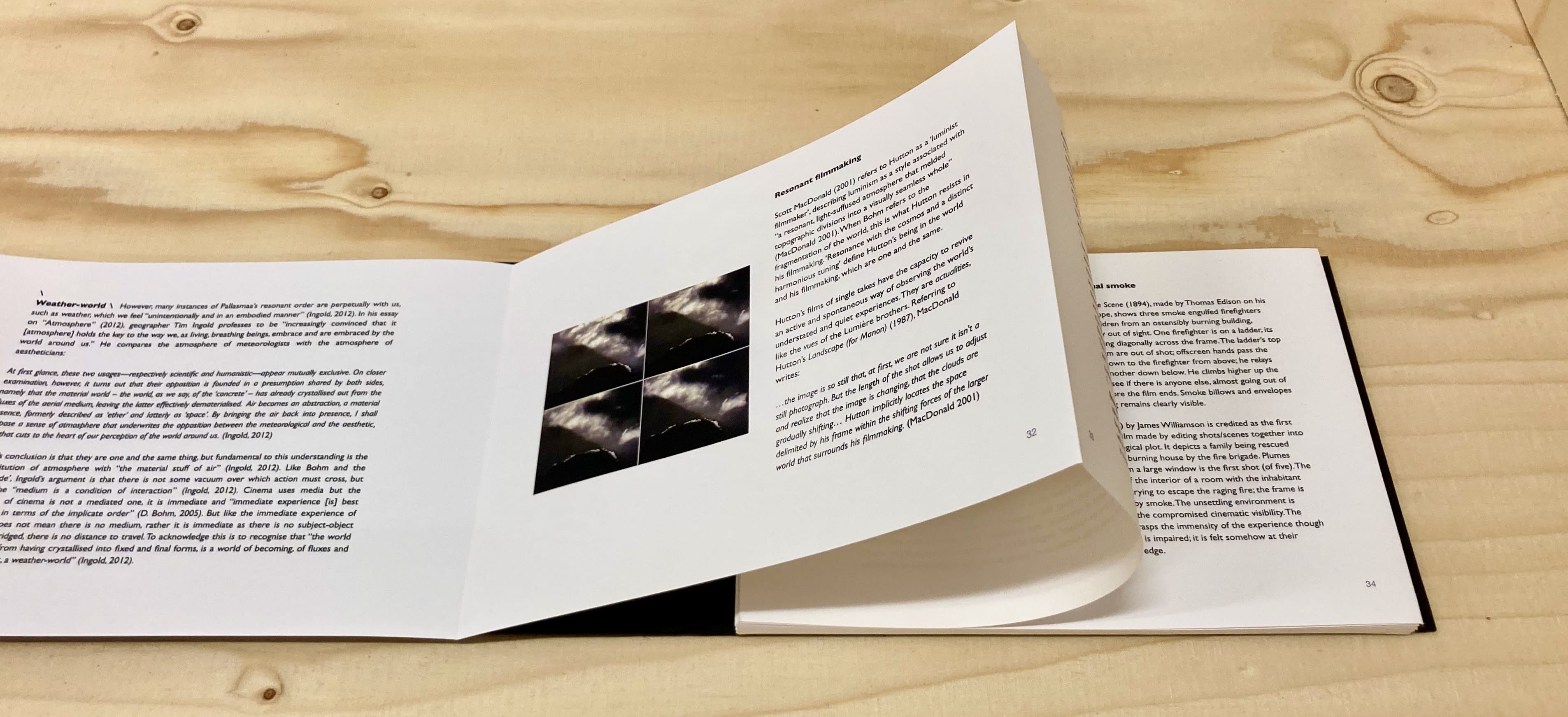
  • Projective Atmospheres / Cinematic Plications
    Projective Atmospheres / Cinematic Plications, Helen McGarry, 2023 MRes Art: Moving Image, Central Saint Martins, UAL
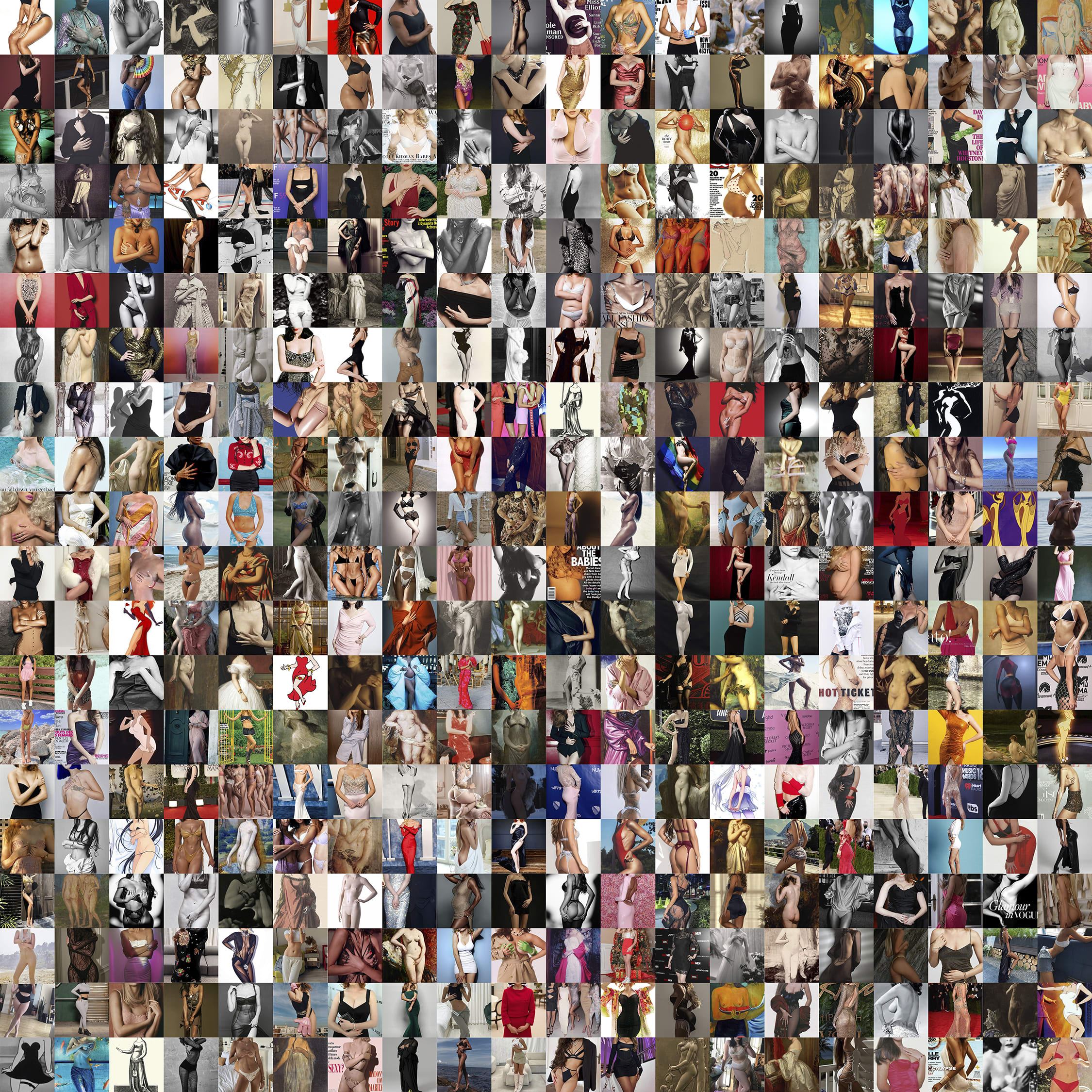
  • Beauty is the Promise of Happiness
    Beauty is the Promise of Happiness, Sylvana Burns, 2023 MRes Art: Theory And Philosophy, Central Saint Martins, UAL
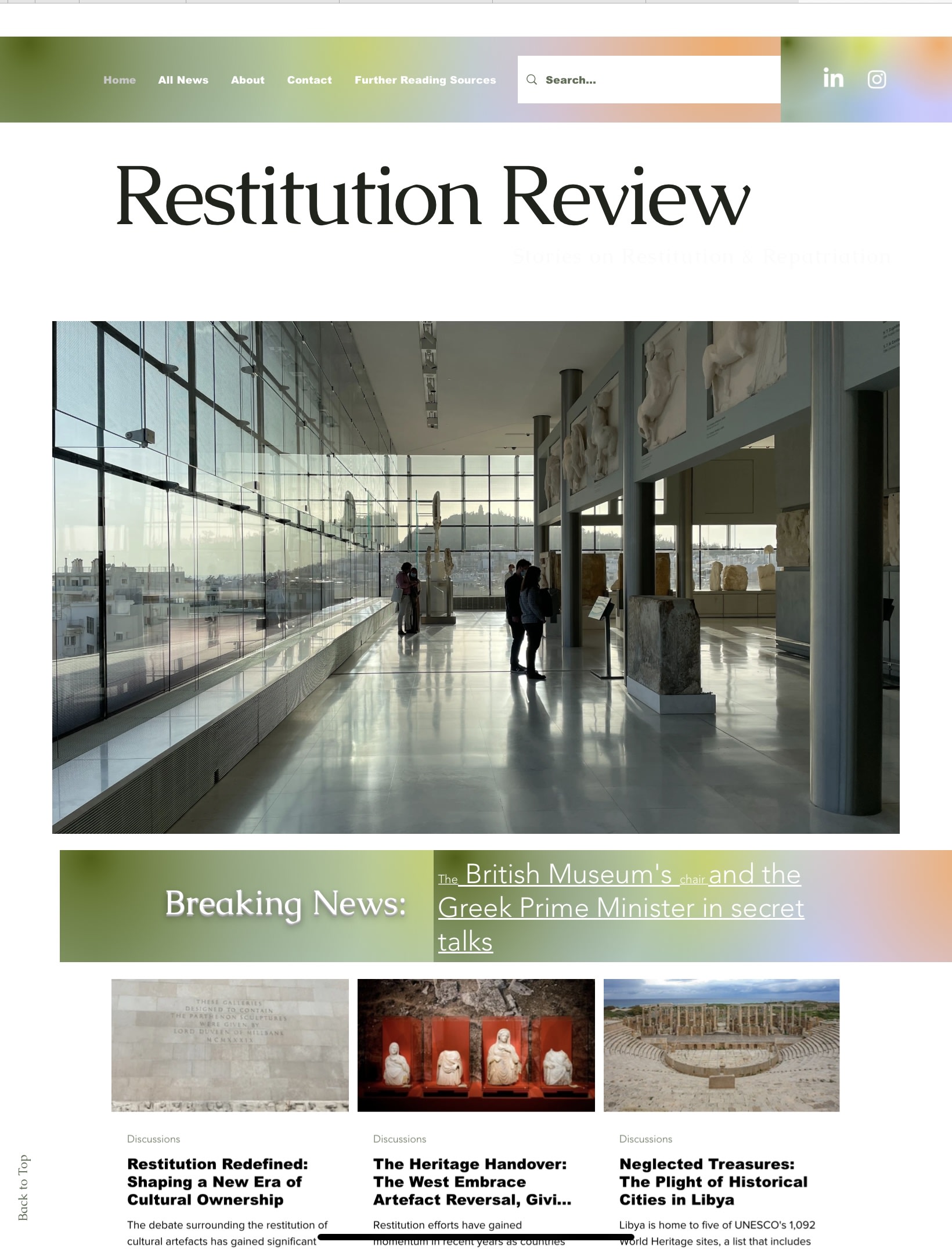
  • Restitution Review
    Restitution Review, Ruaa Elmansuri, 2023 MRes Art, Central Saint Martins, UAL
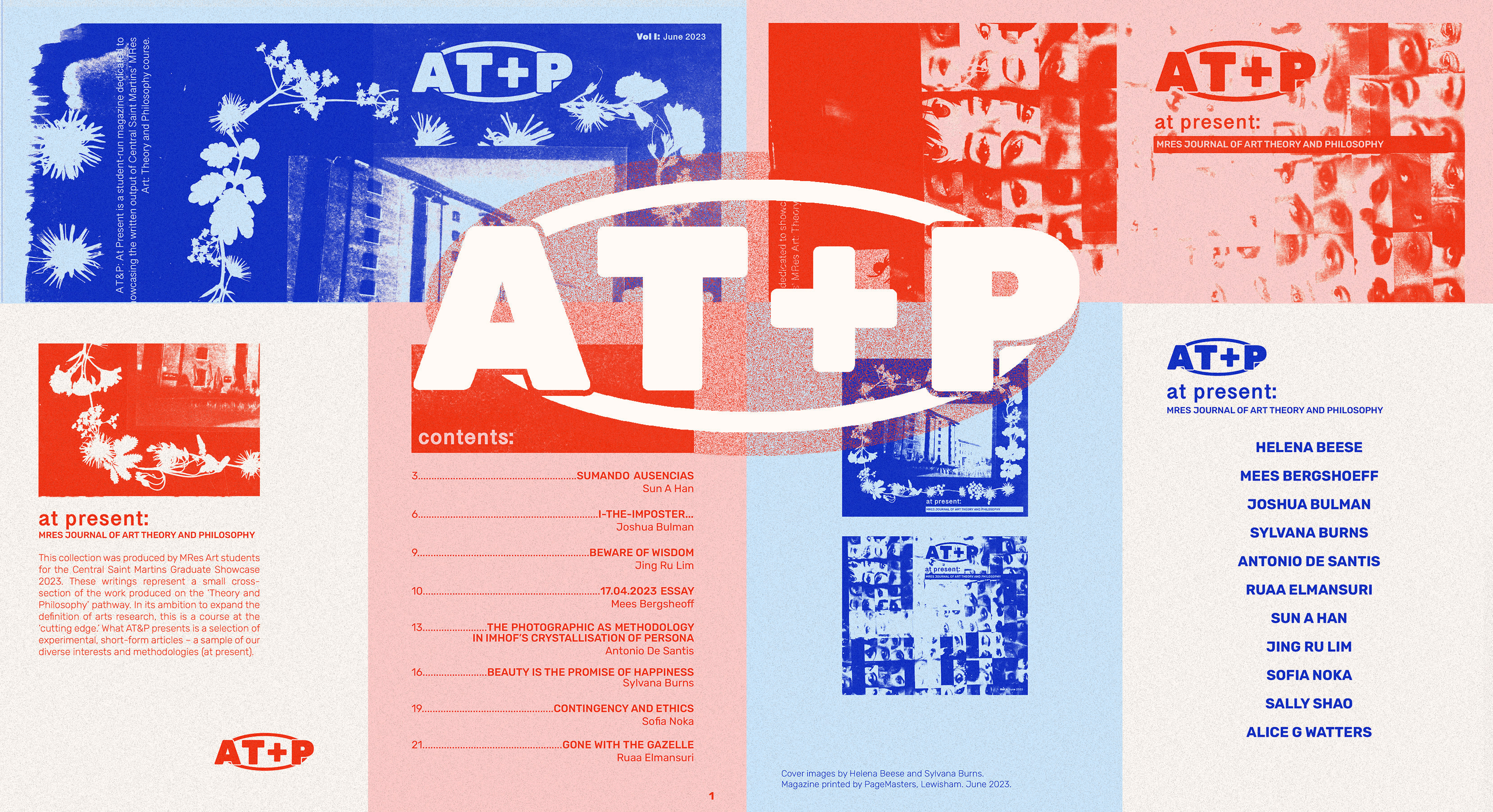
  • At Present: Journal of Art Theory and Philosophy
    At Present: Journal of Art Theory and Philosophy, Helena Beese, 2023 MRes Art: Theory And Philosophy, Central Saint Martins, UAL

Facilities

Events archive

View the MRes Art: Theory and Philosophy lecture archive

Research projects

View examples of MRes Art: Theory and Philosophy research projects

Staff

Pathway Leader, Moving Image: Duncan White
Associate Lecturer: Paul O'Kane
Associate Lecturer: Dr Maria Walsh
Associate Lecturer: Alex Fletcher

Fees and funding

Home fee

£7,210 per year

This fee is correct for 2026/27 entry and is subject to change for 2027/28 entry.

Tuition fees may increase in future years for new and continuing students on courses lasting more than one year. For this course, you can pay tuition fees in instalments.

Home fees are currently charged to UK nationals and UK residents who meet the rules. However, the rules are complex. Find out more about our tuition fees and determining your fee status.

International fee

£17,440 per year

This fee is correct for 2026/27 entry and is subject to change for 2027/28 entry.

Tuition fees may increase in future years for new and continuing students on courses lasting more than one year. For this course, you can pay tuition fees in instalments.

Students from countries outside of the UK will generally be charged international fees. The rules are complex so read more about tuition fees and determining your fee status.

Additional costs

You may need to cover additional costs which are not included in your tuition fees, such as materials and equipment specific to your course. For a list of general digital equipment you may need (and how you can borrow equipment), visit our Study costs page.

Accommodation

Find out about accommodation options and how much they will cost, and other living expenses you'll need to consider.

Scholarships, bursaries and awards

If you’ve completed a qualifying course at UAL, you may be eligible for a tuition fee discount on this course. Find out more about our Progression discount.

You can also find out more about the Postgraduate Masters Loan (Home students only) and scholarships for Home and International students. Discover more about student funding.

If you’re based in the UK and plan to visit UAL for an Open Event, check if you’re eligible for our UAL Travel Bursary. This covers the costs of mainland train or airline travel to visit UAL.

How to pay

Find out how you can pay your tuition fees.

Scholarship search

Entry requirements

The standard entry requirements for this course are as follows: 

  • An honours degree  
  • Or an equivalent EU/international qualification. 

AP(E)L – Accreditation of Prior (Experiential) Learning

Exceptionally applicants who do not meet these course entry requirements may still be considered. The course team will consider each application that demonstrates additional strengths and alternative evidence. This might, for example, be demonstrated by: 

  • Related academic or work experience 
  • The quality of the personal statement 
  • A strong academic or other professional reference 

Or a combination of these factors. 

Each application will be considered on its own merit but we cannot guarantee an offer in each case. 

English language requirements 

IELTS level 7.0 or above, with at least 6.0 in reading, writing, listening and speaking (please check our main English language requirements webpage). 

Selection criteria

We select applicants according to potential and current ability in the following areas:

  • Evidence of skills and experience appropriate to the proposed field of enquiry
  • Effective communication of the intentions and issues in the proposal
  • The level of contextual awareness
  • Awareness of the range and nature of challenges implied.

The interview: for those applicants selected following submission of the form, indicative proposal and supporting work. The interview is used to evaluate the extent to which a candidate demonstrates:

  • The capacity for independent research
  • Appropriate background knowledge and critical abilities
  • Awareness of the cultural and social context within which their interests/work is situated
  • Appropriate communication skills
  • A preparedness to participate collaboratively in debate and presentation.

What we are looking for

We are seeking imaginative, resourceful individuals who are committed to exploring art discourses.

Information for disabled applicants

UAL is committed to achieving inclusion and equality for disabled students. This includes students who have:

     
  • Dyslexia or another Specific Learning Difference
  • A sensory impairment
  • A physical impairment
  • A long-term health or mental health condition
  • Autism
  • Another long-term condition which has an impact on your day-to-day life

Our Disability Service arranges adjustments and support for disabled applicants and students.

Read our Disability and dyslexia: applying for a course and joining UAL information.

Apply now

Application deadline

Deadline

Round 1:

2 December 2025 at 1pm (UK time)

Round 2:

18 March 2026 at 1pm (UK time)

Decision outcome

Round 1:

6 weeks from date of application

Round 2:

6 weeks from date of application

Round 1
Round 2
Deadline
2 December 2025 at 1pm (UK time)
18 March 2026 at 1pm (UK time)
Decision outcome
6 weeks from date of application

We have 2 rounds of deadlines for postgraduate courses: one in December and one in March. If there are still places available after 18 March, this course will remain open to applications until all places have been filled.

Read more about deadlines

Apply now

Application deadline

Deadline

Round 1:

2 December 2025 at 1pm (UK time)

Round 2:

18 March 2026 at 1pm (UK time)

Decision outcome

Round 1:

6 weeks from date of application

Round 2:

6 weeks from date of application

Round 1
Round 2
Deadline
2 December 2025 at 1pm (UK time)
18 March 2026 at 1pm (UK time)
Decision outcome
6 weeks from date of application

We have 2 rounds of deadlines for postgraduate courses: one in December and one in March. If there are still places available after 18 March, this course will remain open to applications until all places have been filled.

Read more about deadlines

Apply to UAL

Start your application
or

Apply with a UAL Representative

Based across the world, our local UAL representatives can support you with your application from your home country. Check to see if there is a representative available in your country currently.

Find your representative

How to apply

Follow this step-by-step guide to apply for this course

Step 1: Initial application

You will need to submit an initial application including your personal statement, CV and study proposal.

Personal statement advice

Your personal statement should be maximum 500 words and include:

  • your reasons for choosing the course
  • your current creative practice and how this course will help you achieve your future plans
  • any relevant education and experience, especially if you do not have any formal academic qualifications.

CV advice

Please provide a CV detailing your education, qualifications and any relevant work or voluntary experience. If you have any web projects or other media that you would like to share, please include links in your CV. If English is not your first language, please also include your most recent English language test score.

Read our advice on preparing the tasks and documents for your initial application.

Study proposal advice

Please provide a summary of your study proposal (800 - 1000 words).

It should include:

  • a brief description of what you plan to focus on for your major project. Include the methods, theories or practices you will use or explore
  • reference to any research or contextual material that supports your idea. For example, key texts, sources, documentary material or practitioners
  • any images or other relevant media, or links to these.

Please note, your proposal serves to inform your application and we understand that your ideas will inevitably develop and change throughout your studies.

Step 2: Interview

You may be invited to an interview following our review of your application. All interviews are held online and last 15 to 20 minutes.

For top tips, see our Interview advice.

You also need to know

Communicating with you

Once you have submitted your initial application, we will email you with your login details for our Applicant portal.

Requests for supplementary documents like qualifications and English language tests will be made through the applicant portal. You can also use it to ask questions regarding your application. Visit our After you apply page for more information.

Applying to more than 1 course

You can apply for more than 1 postgraduate course at UAL but we recommend that you apply for a maximum of 3 courses.

As every course has its own entry and assessment requirements, we recommend tailoring each application to showcase how your experience, skills and interests match that course. Applying for many different courses may make it more difficult for you to show that you are suitable for each course in a competitive admissions process.

Only apply to the course(s) you are most interested in – applying for too wide a range of different courses may reduce your ability to clearly demonstrate your suitability for each. It’s better to make fewer bespoke applications than many generic ones. This will help you to stand out where we have high demand for places.

If you receive offers for multiple courses, you'll only be able to accept 1 offer. UAL doesn't accept repeat applications to the same course in the same academic year.

Visas and immigration history check

All non-UK nationals must complete an immigration history check. Your application may be considered by our course teams before this check takes place. If your course requires a portfolio and/or video task, we may request these before we identify any issues arising from your immigration history check. Sometimes your history may mean that we are not able to continue considering your application. Visit our Immigration and visas advice page for more information.

External student transfer policy

UAL accepts transfers from other institutions on a case-by-case basis. Read our Student transfer policy for more information.

Alternative offers

If we are unable to consider you for the course you have applied to but your application is really strong, we may make you an alternative offer on a different course or at a different UAL College. This happens when our admissions tutors have found another course that they believe would be a strong match for your skills and interests.

Deferring your place

We do not accept any deferral requests for our postgraduate courses. This means that you must apply in the year that you plan to start your course and you will not be able to defer your place to start at a later date.

Application deadlines

Most of our postgraduate courses have 2 rounds of deadlines: one in December and one in March.

As long as you apply ahead of each deadline we will consider your application alongside all the other applications in that round. We always make sure to hold enough places back for round 2 to make sure we can consider your application fairly, no matter which round you apply in.

If there are still places available after the second deadline, the course will remain open to applications until all places have been filled.

For our MBA courses, there is only 1 deadline. This is 31 July for international applicants and 31 August for UK applicants. This is to make sure you have enough time to apply for your visa if you are an international student.

For our January-start courses, the deadline is in October. If there are still places available after this deadline, the course will remain open to applications until all places have been filled.

Careers

Our Postgraduate Art Programme offers valuable opportunities to build transferable professional knowledge and skills. The exchange of perspectives with others through shared units, reading groups and debates helps establish stimulating and productive networks.

The focus on proposing and developing a major independent programme of study is supported by a shared professional practice lecture series featuring guest speakers plus opportunities to attend symposia and critique work in progress across subject areas. The Postgraduate Art Programme has wide-ranging links with professional organisations, collections and galleries in London and beyond, and includes opportunities for interaction and networking according to your personal career direction.

MRes Art: Theory and Philosophy gives you an advanced knowledge of research methods and familiarises you with the important features, issues and problems of philosophical aesthetics. You'll gain skills in close textual analysis, comprehension, reconstruction and interpretation of philosophical arguments, while building expertise in critical analysis and reflection. The location of the MRes within our postgraduate environment enhances your ability to relate philosophical analysis to art and cultural practices. In addition to further MPhil or PhD research, we envisage a range of professional futures for MRes Art: Theory and Philosophy graduates in academic institutions, the arts, and publishing.

Recent MRes Art: Theory and Philosophy alumni activity demonstrates the breadth of student activity within the subject:

  • Jordan Silver who has gained a funded doctoral place in the Dept. of Art History, Film and Visual Studies, Birmingham University. He will also be undertaking a curatorial internship at the Museé d’Orsay, Paris during the summer
  • Lukas Slothuus has gained a funded doctoral place in the Dept. of Philosophy, Edinburgh University to research into contemporary modes of political resistance
  • Constanza Nunez-Melgar Molinari has gained a doctoral place at Kings College, London University to research into the philosopher Georges Bataille and ideas of heterology
  • Adonia Bouchehri completed a Masters in philosophy in the Dept. of Philosophy, Kingston University (2015), currently preparing a doctoral application
  • Niina Keks, runs Reclectic Emporium a design company specialising in furniture and photography
  • Kimberly Shen currently works for the Arts Council of Singapore
  • Nathalie Czarnecki has created 'Miguel, I am Sofia', a contemporary cabaret telling the story of a Spanish boy's journey towards becoming a woman

Student jobs and careers

Find out how careers and employability helps our students and graduates start their careers.