
SHIFT: How the collaborative group is changing our cities for the better
- Written byIsabelle McCormick
- Published date 19 June 2023
Share story
SHIFT is a group of organisations (community, business, and academia) based around Queen Elizabeth Olympic Park that have come together to form a new, inclusive innovation district, that will help create better urban futures. On Wednesday 7 June 2023, the group held their first event in east London that LCF Newsroom Content Creator, Isabelle McCormick, attended to find out more about London’s living testbed for better urban futures.
What is SHIFT's goal?
SHIFT’s goal is to change our cities for the better and respond to locally identified priorities that have the potential to scale and transfer to other places too.
Their approach is based on good growth and sustainable outcomes by:
- Putting climate resilience, clean air, and net-zero — cutting greenhouse gas emissions to as close to zero as possible, at the heart of business plans.
- Putting the public at the heart of innovation, so that research and development focuses on the needs of the local community as well as sustainable business.
- Ensuring fair and good work practices and developing diverse talent pipelines to support emerging-sector opportunities and future jobs.
- Encouraging a creative culture that supports entrepreneurship, investment, and innovation whilst also valuing skills, diversity, inclusion, and connectivity.
- Maintaining a thriving, vibrant public place to attract individuals, families, and communities to contribute, learn, work, live and enjoy.
The event
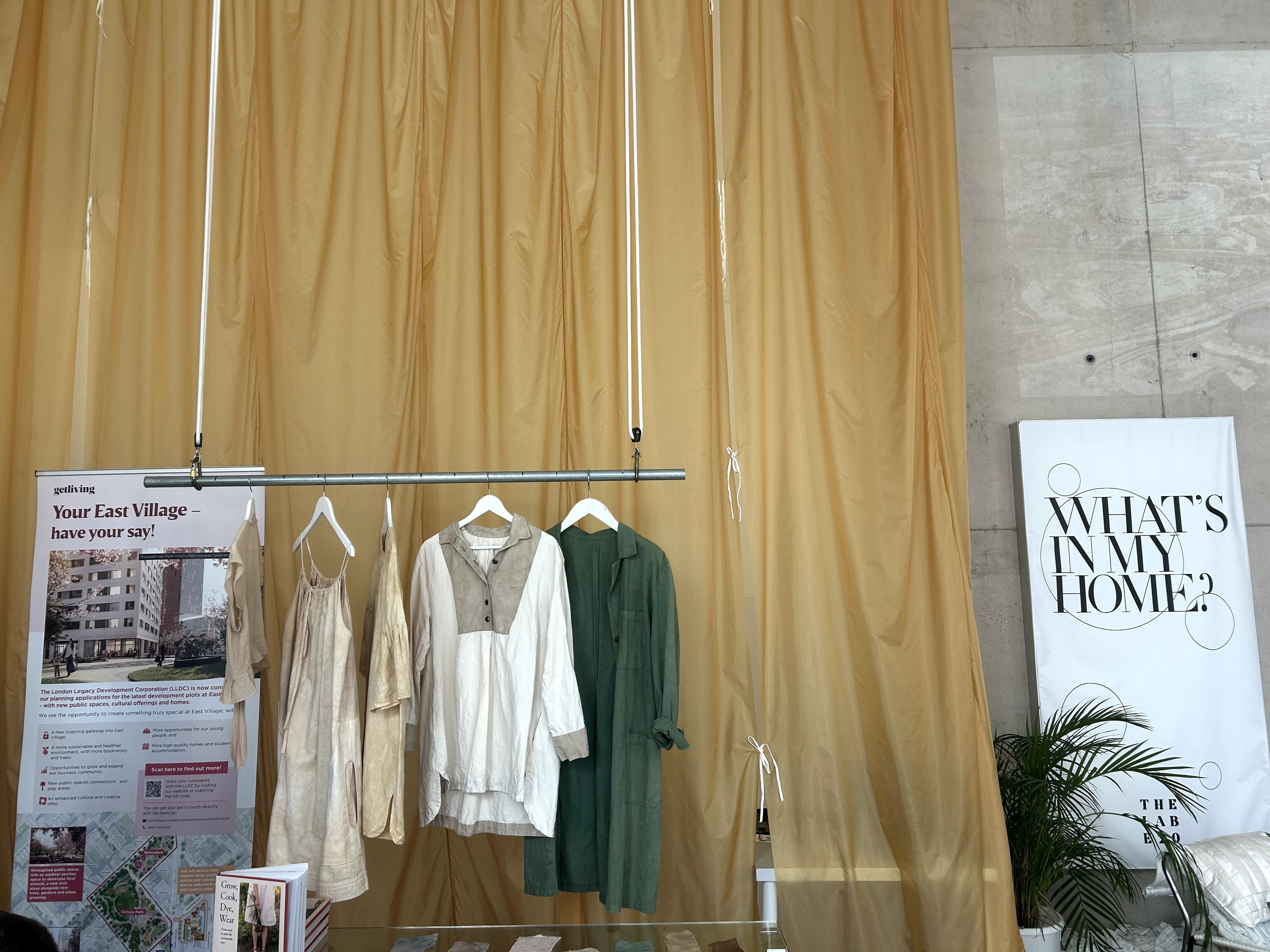
The event was the first of its series held at The Lab E20, hosting a series of lightning talks by speakers that represent different industries throughout the East Village but all of which focused on the topic of climate emergency.
The first lightning talk was done by Eddie Copeland, Director of London Office of Technology and Innovation, discussing the power of collaboration and how it can unite the city and provide a better space to live for all Londoners. Copeland suggests there are three ways that collaboration will initiate innovation within the community.
- Increasing data sharing amongst the community increases data transparency.
- Bringing together talent creates a community of innovators.
- Sharing knowledge allows for equal growth.
The next talk was given by Tom Webster. He is the Chief Technology Officer at GrowUp Farms, now based in Kent but started in east London, which provides year-round methods of farming. Webster discussed the journey he and his partner took to vertically farm salad using hydroponics. By distributing this salad, GrowUp Farms’ gives local communities access to affordable, nutritious food which many low-income families lack due to the cost-of-living crisis we are in.
Penelope Hope, entrepreneur, and investor of Rebel Energy was the third speaker to contribute to the night’s event. As the co-founder of Rebel Energy her goal is to alleviate fuel poverty – households that are unable to afford to adequately heat (or cool) their home, by providing Renewable Energy to everyone in London, especially lower-income households. Hope stressed how fuel poverty is an all-too-common struggle throughout London, with 1 in 5 households under the fuel poverty line, which is a large part of the cost-of-living crisis. Rebel Energy takes on this goal by creating renewable energy from community-generated products and then sharing with domestic customers throughout the UK.
LuLu Wallis Account Manager at Notpla, a sustainable packaging start-up, was the final speaker of the night. Wallis discussed the pollution within our oceans and the biggest contributor to the problem, plastic. Notpla’s goal is to eliminate this pollution by making plastic packaging disappear. They are making strides towards this by using materials that already exist in nature for packaging, specifically, seaweed. The natural material is strong enough to protect the contents inside, yet it is biodegradable and home compostable. In fact, you may have already seen their product around London as they have partnered with Just Eat to launch a food container coated with seaweed!
Key takeaways
SHIFT is taking steps to improve east London by collaborating with various industry innovators. Their success of a first event discussed the climate emergency, London’s position within it and how we as a city can collaborate to improve our home.
Written by LCF Newsroom Content Creator, Isabelle McCormick, MA Fashion Journalism.
- Sign up for SHIFT's mailing list
- Interested in working with SHIFT?: Apply now
- What’s on at LCF: open days and events