Postgraduate

Master of Business Administration (MBA)

Birds eye view of desk and its contents
LCF MBA. Still life photoshoot | London College of Fashion | University of Arts London
College
London College of Fashion
Start date
September 2026
Course length
12 months / 45 academic weeks

Apply business and management knowledge to the complex issues faced by the global fashion industry, through experiential learning and a focus on professional development.

Course summary

Why choose this course at London College of Fashion

  • Experiential learning: Learn with a strong emphasis on applied and experiential learning, problem solving and industry engagement.
  • Accreditation: With accreditation from the Chartered Management Institute (CMI), graduates have the opportunity to receive a level 7 Diploma in addition to their degree.
  • Research led: Our curriculum is informed by extensive industry engagement and cutting-edge research, plus our units are supported by LCF's Research Hubs and Centres.
  • Professional development: Access a range of resources to develop soft skills that are vital to success in the sector, such as professional resilience and self-efficacy.
  • Industry engagement: Benefit from unrivalled close working relationships with leading fashion organisations, allowing you the chance to network and hear from guest speakers.

Upcoming events

To visit us in person, book a Campus Tour.

Scholarships, bursaries and awards

Use our scholarship search to discover if you are eligible for any scholarships, bursaries or awards.

Course overview

The MBA at the Fashion Business School is focused on the wider global fashion industry.  It is a full-time course delivered over 45 academic weeks.  It is aimed at candidates who have 3 years’ experience in the industry, including internships, work experience or running their own company who wish to upskill and challenge themselves to engage with new knowledge and be exposed to new ways of thinking. The MBA curriculum has been informed by extensive industry engagement, cutting edge research and market intelligence. LCF has unrivalled close working relationships with leading organisations and institutions who operate in the wider fashion context, including retail, product development, manufacturing, marketing, digital technology, finance and investment.  In addition, the MBA has been designed to support students in their own professional development alongside the taught curriculum.  Students will have access to a range of resources and workshops to build relevant soft skills vital to success in the sector, for example self- efficacy and professional resilience.  Many of these soft skills have been researched by UAL to enhance enterprise and form a framework of skill development known as the Creative Attributes Framework, designed specifically for UAL students.  The teaching and learning strategy has a strong emphasis on applied and experiential learning, problem solving, and industry engagement.  Course units are supported by LCF Research Hubs and Centres including the Centre for Sustainable Fashion and the The Fashion Innovation Agency.

Climate, Social and Racial Justice 

We are committed to developing ethical Fashion Business practices. To achieve this, we are working to embed UAL’s Principles for Climate, Social and Racial Justice into the course.

Contact us

Register your interest to receive information and updates about studying at UAL.

Contact us to make an enquiry.

Course units

The MBA is a full-time course. The emphasis at post graduate level is on independent study and in addition to taught sessions students will be expected to engage in extensive self-directed learning and research and to utilise the library resources and open access facilities. The credit framework conforms to the University of the Arts London framework in which the unit of credit is 20 credits (equivalent to 200 hours of student study time). All credits on the MBA are at postgraduate level 7. 

Block 1

International Business Strategy, Management and Leadership (20 credits)

Offering a critical and forward-looking exploration of visionary, purpose-led strategy and transformative leadership within the global fashion industry, this unit grounds strategic theory, transformational value creation, and humanistic management. It explores how fashion enterprises can achieve sustainable success while contributing positively to people, society, and the planet.

The unit focuses on transformation through strategic management, purposeful leadership, stakeholder engagement, and the ability to navigate the dynamics of interconnected global fashion ecosystems. It examines how strategy and leadership align purpose with practice, embedding values such as Equality, Diversity and Inclusion (EDI), Environmental, Social and Governance (ESG) principles, and ethical responsibility into core decision-making.

Fashion Product Development and Global Sourcing (20 credits)

The responsible sourcing and development of commercially viable products is core to fashion business. This unit will explore the operational issues relevant to developing, sourcing, and manufacturing fashion products. You'll critically evaluate the importance of corporate social responsibility, climate emergency, environmental, social and governance standards and compliance in fashion product development and procurement.

The unit draws on current research and operational practice to develop understanding of fashion product development and supply chain management, enabling working knowledge of end-to-end systems and digital integration. You’ll apply taught content to prepare for and execute a team negotiation in the resolution of business objectives and key performance indicators (KPI) delivery.

Fashion Marketing and Consumer Insights (20 credits)

This unit examines the relationship between fashion brands and consumers in an increasingly innovative and demanding market. You’ll explore social dynamics, brand perceptions and purchasing behaviours of fashion consumers furthered by empowered ‘prosumers’ who engage through digital platforms. 

Industry engagement will improve your understanding of contemporary issues and will help you develop creative marketing strategies. It will also support you in articulating convincing and targeted solutions using appropriate media to industry standards.

Block 2

Finance and Risk Management (20 credits)

This unit delivers comprehensive knowledge of domestic and international financial operations, financial risk management, corporate finance as well as the practical skills in financial and analytical techniques and their use in fashion. You’ll explore the main financial management tools of analysis such as valuation, financial statement analysis, capital budgeting, cost of capital, and capital structure. 

The unit will build knowledge of how financial markets operate and of risk management to protect brand value, while also exploring aspects of green finance and the implications for the fashion sector. 

Serving Fashion Markets (20 credits)

In this unit, you’ll explore the models, technologies and systems of procurement using buying and merchandising theory and practice. You’ll look at market attractiveness, market entry strategies, changing retail formats and channel optimisation across different geographies to develop knowledge of business to business (B2B) and business to consumer (B2C) models.

It explores operational management to build cross functional awareness relevant to outbound logistics considering ESG impact, inventory management, distribution, delivery, reverse logistics, last mile and end of life strategies.

Innovation and Fashion Business Futures (20 credits)

This unit identifies and critically evaluates the trans-disciplinary innovation strategies for starting and transforming fashion businesses. It facilitates the appraisal and iteration of generic change management, market disruption, and crisis management frameworks within the contemporary fashion ecosystem.

You’ll synthesise contemporary retail management thinking and thought leadership strategies in the application of change management and digital transformation. The aim is to re-create and/or re-format strategies for fashion business formats and service evolution through critical analysis. You’ll also future proof proposals aligned to emergent models of consumer behaviour and fashion business management thinking to foster a toolkit for sustainable fashion business innovation.

Block 3

Project Management and Consultancy (60 credits)

The final unit is a self-led, consultancy project of choice that provides the opportunity to apply the knowledge and skills acquired over the course with a tailored project management element embedded in the delivery. You’ll undertake rigorous research synthesising practical and academic issues, which may reflect any of the subject areas covered over the course.

The work must demonstrate a systematic understanding of contemporary academic knowledge, complex problem solving and professional thinking in management and leadership, with advanced application of skills and theory. The outcome will provide sector-relevant recommendations / solutions. The professional development digital portfolio will continue and conclude during the consultancy project. 

Learning and teaching methods

The following teaching and learning methods are employed to support the integrated achievement of the course outcomes:

The University of the Arts London Teaching and Learning Strategy has informed approaches to learning and teaching on the MBA. Methods include lectures (both pre-recorded  and live), guest speakers, seminar sessions, case studies, technical workshops, group tutorials, individual tutorials, peer review and formative feedback. In addition, a series of professional development workshops will support students to further develop important transferable skills.

Assessment methods

The following assessment methods are employed to support the integrated aims of the course outcomes:

  • Business reports; 
  • Case-study reports;
  • Critical essays;    
  • Live negotiations;
  • Digital Presentations
  • Student led industry consultancy project reports;
  • Professional Development Digital Portfolio, including aspects of the UAL Creative Attributes Framework and UAL Digital Creative Attributes Framework. 

Students will work both individually and in teams.

Showcasing at LCF

There are a range of showcasing opportunities students can take part in whilst studying at LCF. End year showcasing at London College of Fashion, UAL, is one of the moments students can celebrate graduating from their courses. However, degree shows are not part of the learning outcomes in a course curriculum and are therefore not guaranteed as part of studying with us. Students must register by a deadline to take part, and we are not able to show all student work so submitting students will have their work curated.

Chartered Management Institute

MBA is currently accredited by the Chartered Management Institute (CMI). Subject to UAL retaining its CMI accreditation, students graduating with CMI membership may receive a CMI Level 7 qualification in Management and Leadership in addition to their degree, and will be awarded CMI Chartered Manager (CMgr) status subject to meeting the CMI eligibility requirements.

Postgraduate Mentoring Network 2024

Postgraduate Mentoring Network 2022-23

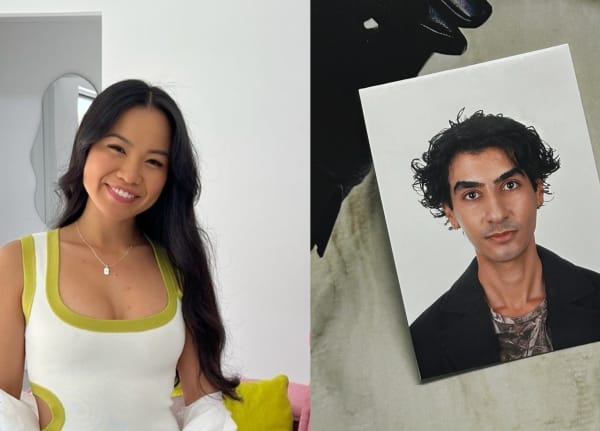
Meet the LCF MBA students: Gabriela

Meet the LCF MBA students: Melanie

Meet the LCF MBA students: Namami

News about this course

MBA events and classes

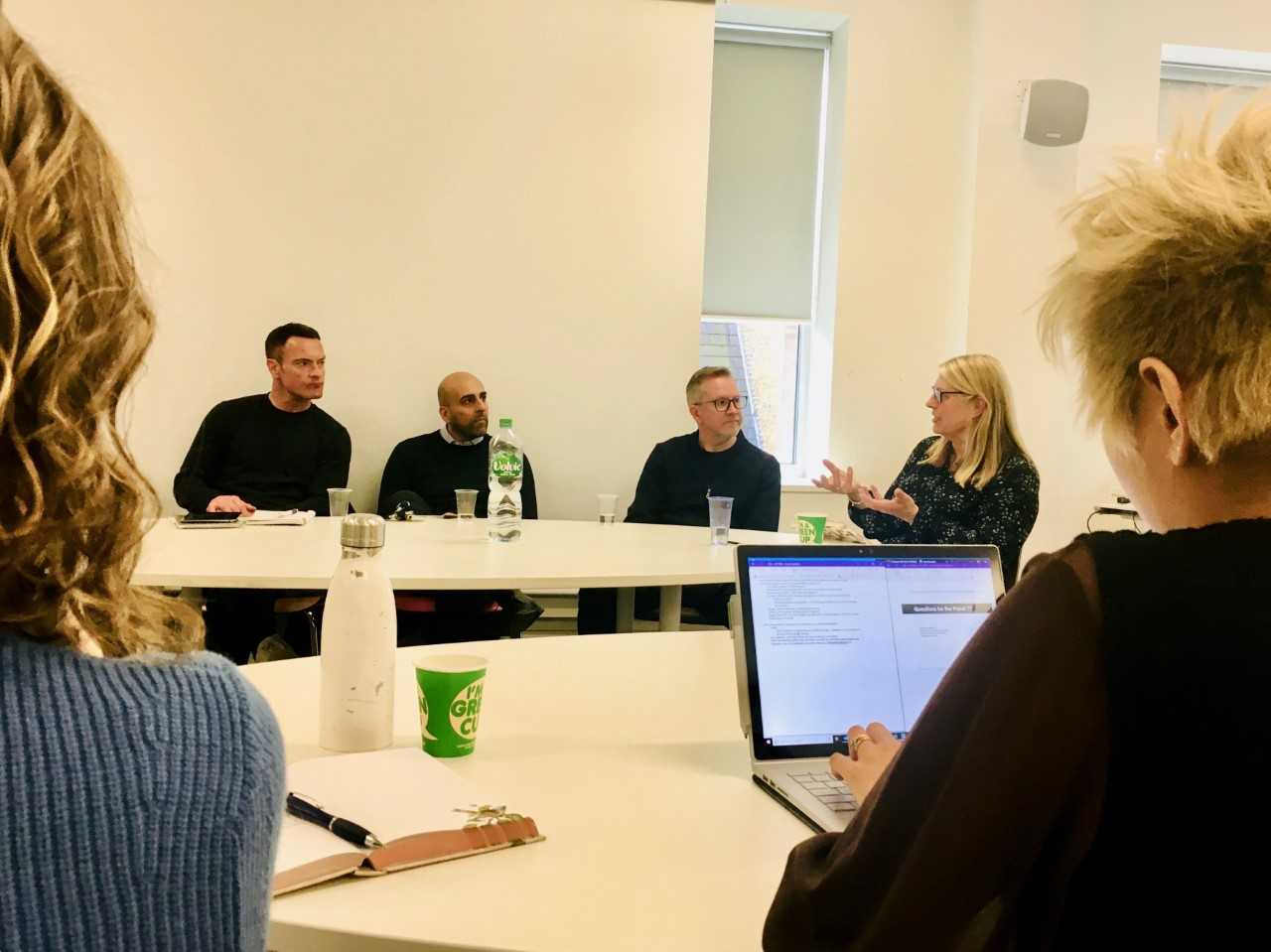
  • LCF MBA students listen to an industry panel discussion on internationalisation
    LCF MBA students listen to an industry panel discussion on internationalisation
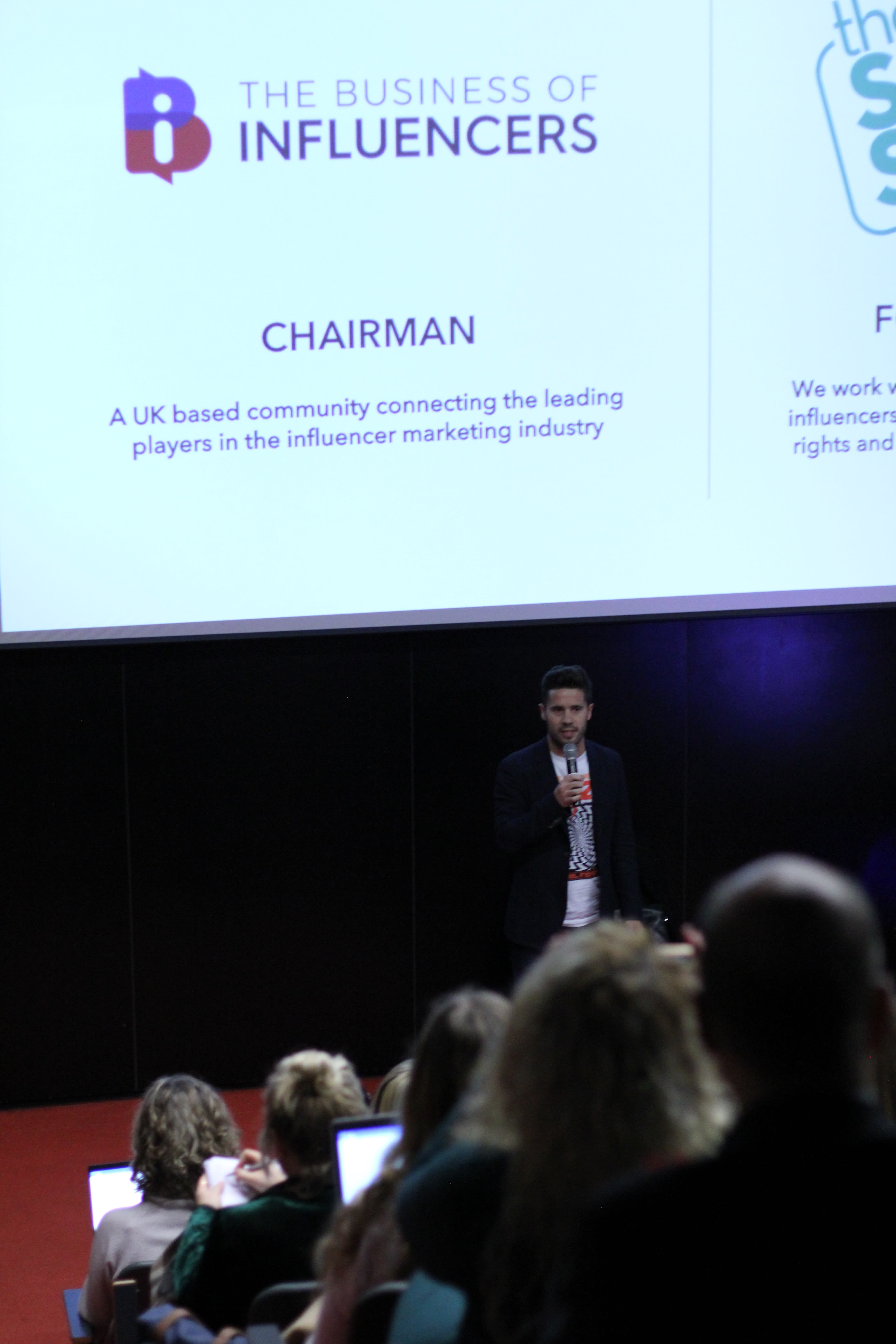
  • Ian Sheperd speaks at the CIM Marketing event for LCF MBA
    Ian Sheperd speaks at the CIM Marketing event for LCF MBA
  • Guests at the CMI Marketing event for LCF MBA
    Guests at the CMI Marketing event for LCF MBA
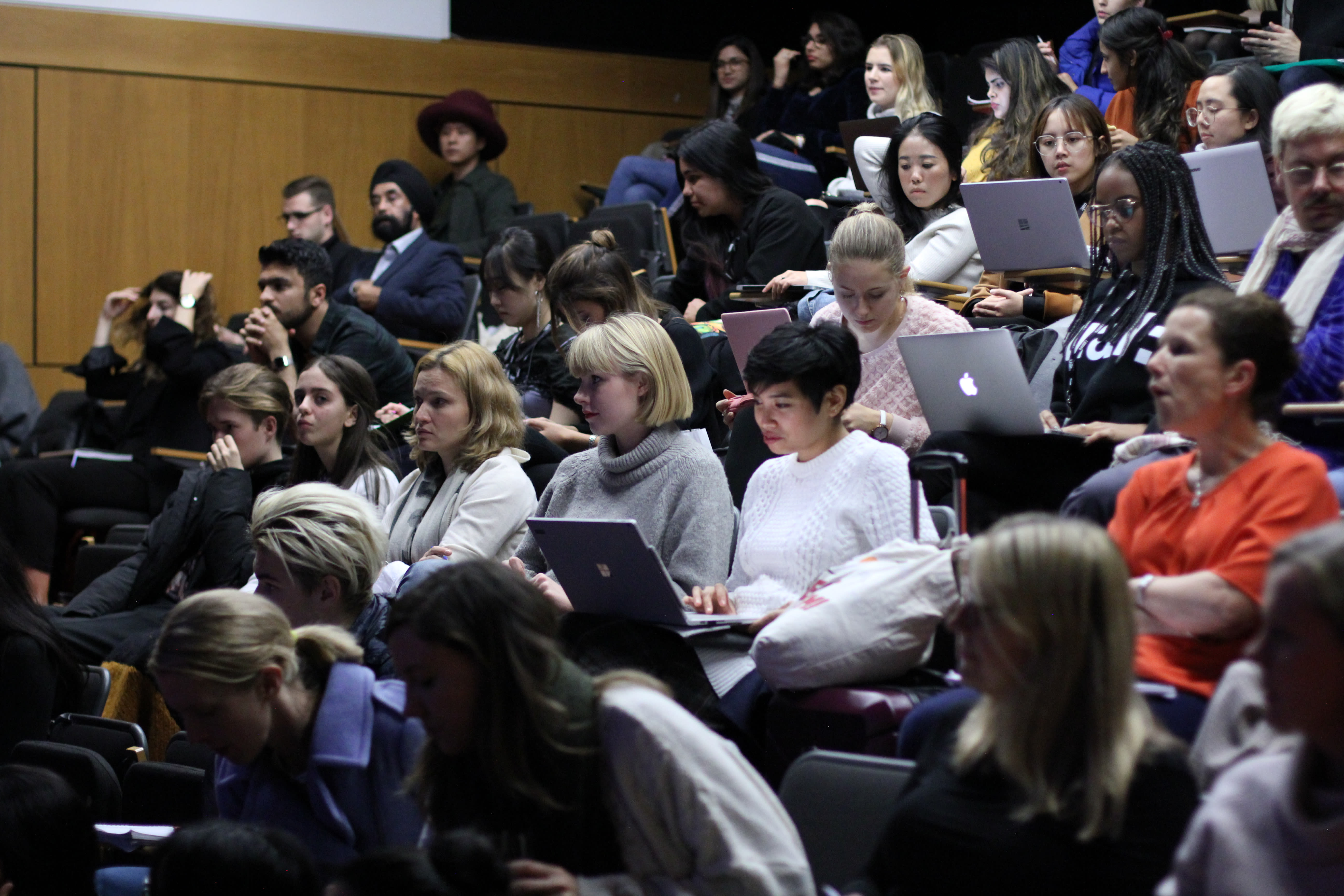
  • Audience at the CMI Marketing event for LCF MBA
    Audience at the CMI Marketing event for LCF MBA

Facilities at LCF

Staff

Lois Baile is Acting Course Leader for LCF MBA. Lois started her career in the late 1980s through a merchandising route leading to UK and International Directorships within major corporate fashion multi-channel retailers. She has extensive experience of planning, trading, allocation and replenishment including change management within businesses to effectively prepare for strategic redirection. Her career started within the Arcadia Group and progressed with BHS, Debenhams, House of Fraser, New Look, First Friday (consulting and training). The last 5 years have been spent abroad working in Italy and Turkey for global retailers Bata, LC Waikiki and Defacto.

Dr. Bethan Alexander is the course leader for MA Fashion Retail Management. Bethan is a passionate spokesperson, consultant, senior lecturer and researcher with an expert lens on fashion business strategy, omnichannel retailing, retail futures and fashion brand management. Having spent 18 years working internationally in senior management roles with fashion brands including Converse, Elle, Kangol and establishing her own consultancy business, Brand Baker, Bethan brings the same verve to her academic role. Within higher education, Bethan has held senior lecturing positions at London College of Fashion, University of East London and has guest lectured at more than 15 global HE institutions. Bethan is a published author, international conference presenter and active researcher. Her research spans multi-sensory fashion retailing, customer brand experiences online and offline and innovative retail formats. Bethan holds a first-class Bachelor of Science degree in Consumer Product Management: Fashion, a Master of Science degree with distinction in Fashion Marketing & Distribution and a PG Certificate in Teaching & Learning for Higher Education. Bethan is a fellow of the Higher Education Academy and was nominated in 2015 and 2016 by students for a Teaching Excellence Award – Winner and Highly Commended respectively. Read Bethan Alexander's full profile here.

Dr Shuyu Lin’s expertise lies in value creation and appropriation in the fashion ecosystem. Her research aims to extend the application of network-based strategic management and social capital theories to the discipline of aesthetic innovation. Exploring both structural and relational mechanism in open innovation has been at the centre of her research interest. Following a BA in Journalism, Shuyu pursued her career in the fashion industry as a PR consultant and fashion editor. She then received the degree of MSc in Management with Marketing and PhD in Management from the University of Bath. Shuyu delivers across a number of courses in the Fashion Business School, including MA Global Fashion Retailing. Specialisms include business strategy, retail internationalisation and Masters project.

Dr Lan Wang is lecturer in Economics and Finance at the Fashion Business School. Lan is a member in Centre for Business and Climate Change at University of Edinburgh Business School. She has been completed PhD in climate finance at University of Edinburgh, MSc in Carbon Finance from University of Edinburgh (2013), and MSc in Corporate Finance from ICMA Centre, University of Reading (2010). Lan had two-year financial industrial working experience at Bank of China and participated in consulting and research projects granted by World Bank and British Consulate Guangdong General in China. She also gained teaching experience in the modules of Principle of Finance and Energy Finance during her PhD. Lan research interest is in green finance, sustainable investment, climate policy, and carbon market design. She has published on Journal of Environmental Science and Pollution Research in carbon market efficiency.

Dr Shahpar Abdollahi is a senior lecturer (associate professor) of Marketing at London College of Fashion. She holds a Ph.D. in Management Science from King’s College London. She holds a M.Sc. in International Business from the University of Groningen, with a specialisation in International Marketing.  Before joining LCF, Shahpar held research, lecturing and supervisory positions at King’s College London, Cranfield Business School, University of Essex, London College of Fashion (LCF) and Instituto Marangoni. Her Doctoral research focused on innovation and the role of networks in the success of new product development. Her research interest and focus lies on power of networks, Influencer Marketing, brand storytelling and value co-creation. Given her professional and market research background, Shahpar is particularly interested in Luxury Branding, Fashion Marketing and Fashion Management.

Shushan Karapetyan is the course leader for MA Global Fashion Retailing at LCF, and lectures both on the MA Global Fashion Retailing and LCF MBA courses.
Prior to joining LCF, Shushan was a Marketing Lecturer and Course Coordinator at the John Molson School of Business, Concordia University, Montreal, Canada, where she taught Marketing Management, Retailing, International Business and Business Communications.
Prior to embarking on an academic career, Shushan held leadership roles in a wide range of retail organisations from innovative start-ups to heritage brands and multinational conglomerates. Shushan has created collections for iconic Canadian brands such as Birks Jewellers and Buffalo David Bitton (part of Li & Fung group) and developed licensed products for international household name brands such as Prada, New Balance, Victoria’s Secret and Skechers.
Shushan has also worked in the mass market sector developing and managing products for Costco worldwide, Walmart and even Dollarama. Her management experience spans from mass market Consumer Packaged Goods (CPG) to luxury made-to-measure (MTM) and bespoke tailoring – from Walmart to Costco to Prada to Savile Row.
Throughout her career, Shushan has managed offshore production and partners in more than 20 countries across 6 continents.
Her specialties are Product Development, Merchandising, Supply Chain Management, Branding and Luxury Marketing.

Dr Helen Beney is a visiting lecturer at LCF. She has spent 30 years in fashion retail with positions as Buying and Design Director for brands in Arcadia, Otto Versand, and Sears. She has also worked as a supply chain management consultant and developed training programmes in business strategy for buying and merchandising teams in brands such as ASOS.  Helen was the Fashion Business Programme Director at the London College of Fashion and is currently a doctoral researcher in innovation and sustainable supply chain management at the University of Sussex.

Sarah Walls is a senior lecturer and has over eleven years of teaching experience in Higher Education, on the Pg. Cert Buying & Merchandising, BA Buying & Merchandising and MBA as well as developing and delivering LCF short courses and masterclasses for industry professionals. She began her buying career after a Bachelor of Science degree in Textile & Knitwear Technology from De Montfort University, with high street giant Topshop. From assistant buyer to head of buying across numerous brands in her career, she has extensive experience in buying and supply chain with specialisms in product/ range development and range building, combined with in-depth experience of trend prediction. Her more recent experience as a partner in a retail consultancy covers a wide spectrum of brands and retailers, from multiple high street brands to privately owned small chains, start-ups and designer boutiques.

Fees and funding

Home fee

£35,380

This fee is correct for 2026/27 entry and is subject to change for 2027/28 entry.

Tuition fees may increase in future years for new and continuing students on courses lasting more than one year. For this course, you can pay tuition fees in instalments.

Home fees are currently charged to UK nationals and UK residents who meet the rules. However, the rules are complex. Find out more about our tuition fees and determining your fee status.

International fee

£35,380

This fee is correct for 2026/27 entry and is subject to change for 2027/28 entry.

Tuition fees may increase in future years for new and continuing students on courses lasting more than one year. For this course, you can pay tuition fees in instalments.

Home fees are currently charged to UK nationals and UK residents who meet the rules. However, the rules are complex. Find out more about our tuition fees and determining your fee status.

Additional costs

You may need to cover additional costs which are not included in your tuition fees, such as materials and equipment specific to your course. Typical approximate costs for this course include: ​

  • Laptop or desktop computer (recommended specification will be provided)
  • Adobe Creative Cloud: £42 per year

For a list of general digital equipment you may need (and how you can borrow equipment), visit our Study costs page.​

Accommodation

Find out about accommodation options and how much they will cost, and other living expenses you'll need to consider.

Scholarships, bursaries and awards

If you’ve completed a qualifying course at UAL, you may be eligible for a tuition fee discount on this course. Find out more about our Progression discount.

You can also find out more about the Postgraduate Masters Loan (Home students only) and scholarships for Home and International students. Discover more about student funding.

If you’re based in the UK and plan to visit UAL for an Open Event, check if you’re eligible for our UAL Travel Bursary. This covers the costs of mainland train or airline travel to visit UAL.

How to pay

Find out how you can pay your tuition fees.

Scholarship search

Entry requirements

The standard entry requirements for this course are as follows:

  • 2.1 degree at Undergraduate Level, or equivalent
  • And 3 years work experience, to include employment, self-employment, internships, work placements in fashion related sector 

APEL (Accreditation of Prior (Experiential) Learning)

Applicants who do not meet these course entry requirements may, in exceptional cases, still be considered; the course team will consider each application on its own merit but we cannot guarantee an offer in each case. 

English Language Requirements 

IELTS level 7.0 with a minimum of 6.0 in reading, writing, listening and speaking. Please check our main English Language Requirements.

Selection criteria

The course seeks to recruit students from diverse socio-economic and cultural backgrounds and welcomes applications from mature students.

The course team seeks to recruit students who can demonstrate that they are: 

(1) People who aspire to study for an MBA with a specific focus on the fashion sector. This could include people who have been working in fashion or who are particularly gravitating towards the fashion industry from related industries and would like to take full advantage of a fashion context at MBA level;

(2) High achievers who have the potential to be future fashion industry leaders able to inspire, manage, direct and lead;

(3) Global citizens able to interact effectively within an international student cohort;

(4) Equipped with professional experience of a minimum of  3 years in the wider fashion sector or related industries (to include relevant employment, self-employment, internships, work placements). 

(5) People with intermediate to senior managerial / consultancy experience who want to accelerate their career and undertake more senior roles within organisations operating in the fashion, lifestyle and related industries. This includes:

  • Self-funded candidates who invest in their personal and professional development;
  • Candidates sponsored by employers who have been identified for career progression as part of staff development initiatives;
  • Entrepreneurs who have created their own business and want to explore strategies and tools to manage this more effectively, expand it and grow it. 

Information for disabled applicants

UAL is committed to achieving inclusion and equality for disabled students. This includes students who have:

     
  • Dyslexia or another Specific Learning Difference
  • A sensory impairment
  • A physical impairment
  • A long-term health or mental health condition
  • Autism
  • Another long-term condition which has an impact on your day-to-day life

Our Disability Service arranges adjustments and support for disabled applicants and students.

Read our Disability and dyslexia: applying for a course and joining UAL information.

Apply now

Application deadline

Deadline

Round 1:

Not applicable

Round 2:

31 August 2026 at 1pm (UK time)

Decision outcome

Round 1:

Not applicable

Round 2:

6 weeks from date of application

Round 1
Round 2
Deadline
Not applicable
31 August 2026 at 1pm (UK time)
Decision outcome

Not applicable

6 weeks from date of application

Please apply by the deadline above to be considered for this course. We will get back to you with a decision in 6 weeks or less.

Read more about deadlines

Apply now

Application deadline

Deadline

Round 1:

Not applicable

Round 2:

31 July 2026 at 1pm (UK time)

Decision outcome

Round 1:

Not applicable

Round 2:

6 weeks from date of application

Round 1
Round 2
Deadline
Not applicable
31 July 2026 at 1pm (UK time)
Decision outcome

Not applicable

6 weeks from date of application

Please apply by the deadline above to be considered for this course. We will get back to you with a decision in 6 weeks or less.

Read more about deadlines

Apply to UAL

Start your application
or

Apply with a UAL Representative

Based across the world, our local UAL representatives can support you with your application from your home country. Check to see if there is a representative available in your country currently.

Find your representative

How to apply

Follow this step-by-step guide to apply for this course

Step 1: Initial application

You will need to submit an initial application including your personal statement, CV, written task and professional references.

Personal statement advice

Your personal statement should be maximum 500 words and include:

  • your reasons for choosing the course
  • your current creative practice and how this course will help you achieve your future plans
  • any relevant education and experience, especially if you do not have any formal academic qualifications.

CV advice

Please provide a CV detailing your education, qualifications and any relevant work or voluntary experience. If you have any web projects or other media that you would like to share, please include links in your CV. If English is not your first language, please also include your most recent English language test score.

Read our advice on preparing the tasks and documents for your initial application.

Written task advice

In 400 words, please respond to the following discussion:

“Comment on a strategic refocus of fashion organisations with examples of digital transformation."

Please include Harvard referencing and a bibliography. This will not be included in the word count.

References advice

Please provide 2 professional references. If possible, these should be from your current or most recent employers. The references should:

  • confirm your roles and responsibilities within the organisation
  • demonstrate your ability to work successfully as part of a team.

Step 2: Numeracy and written test

Once we have received your application, you will be asked to complete a basic numeracy test and a short written response to an article under a time constraint. You will receive email links to the tests for your completion.

Step 3: Interview

You may be invited to an interview following our review of your application. All interviews are held online and last 15 to 20 minutes.

For top tips, see our Interview advice.

You also need to know

Communicating with you

Once you have submitted your initial application, we will email you with your login details for our Applicant portal.

Requests for supplementary documents like qualifications and English language tests will be made through the applicant portal. You can also use it to ask questions regarding your application. Visit our After you apply page for more information.

Applying to more than 1 course

You can apply for more than 1 postgraduate course at UAL but we recommend that you apply for a maximum of 3 courses.

As every course has its own entry and assessment requirements, we recommend tailoring each application to showcase how your experience, skills and interests match that course. Applying for many different courses may make it more difficult for you to show that you are suitable for each course in a competitive admissions process.

Only apply to the course(s) you are most interested in – applying for too wide a range of different courses may reduce your ability to clearly demonstrate your suitability for each. It’s better to make fewer bespoke applications than many generic ones. This will help you to stand out where we have high demand for places.

If you receive offers for multiple courses, you'll only be able to accept 1 offer. UAL doesn't accept repeat applications to the same course in the same academic year.

Visas and immigration history check

All non-UK nationals must complete an immigration history check. Your application may be considered by our course teams before this check takes place. If your course requires a portfolio and/or video task, we may request these before we identify any issues arising from your immigration history check. Sometimes your history may mean that we are not able to continue considering your application. Visit our Immigration and visas advice page for more information.

External student transfer policy

UAL accepts transfers from other institutions on a case-by-case basis. Read our Student transfer policy for more information.

Alternative offers

If we are unable to consider you for the course you have applied to but your application is really strong, we may make you an alternative offer on a different course or at a different UAL College. This happens when our admissions tutors have found another course that they believe would be a strong match for your skills and interests.

Deferring your place

We do not accept any deferral requests for our postgraduate courses. This means that you must apply in the year that you plan to start your course and you will not be able to defer your place to start at a later date.

Application deadlines

Most of our postgraduate courses have 2 rounds of deadlines: one in December and one in March.

As long as you apply ahead of each deadline we will consider your application alongside all the other applications in that round. We always make sure to hold enough places back for round 2 to make sure we can consider your application fairly, no matter which round you apply in.

If there are still places available after the second deadline, the course will remain open to applications until all places have been filled.

For our MBA courses, there is only 1 deadline. This is 31 July for international applicants and 31 August for UK applicants. This is to make sure you have enough time to apply for your visa if you are an international student.

For our January-start courses, the deadline is in October. If there are still places available after this deadline, the course will remain open to applications until all places have been filled.

Careers

Your future employability is central to all our courses and as a student with us you’ll have access to a wealth of resources to prepare you for your future career in the fashion industry. Graduate Futures is our dedicated employability team who will work with you throughout your time with us to get you ready for employment. There are also a variety of opportunities on the course to enhance your employability.

Industry engagement

Gaining a real insight into the fashion industry is an important element of our course. Our students hear from a programme of guest speakers throughout the course, and this has recently included representatives from brands and organisations like Boden, Lacoste, Centric Software, Nextail and JOOR. This provides a valuable opportunity to hear from, and ask questions to, key figures from across the fashion industry. External trips are also a key part of the course and recently we have visited Raeburn, Sarabande Foundation, GXO, Fashion Enter, Holition and many more.

Students work on focused industry projects as part of the course, allowing them to work on real challenges facing companies and brands whilst developing their professional acumen. We also welcome guests for panel discussions on topics such as internationalisation and the luxury market and bring in external recruitment panels to help develop your pitching techniques and employability. Students collaborate with peers from other courses within London College of Fashion, as well as with students from other institutions, expanding their networks and strengthening their collaboration skills.

Potential careers

As a graduate of the course, you will have developed a deep understanding of responsible leadership in the fashion industry. Through the curriculum, you'll gain relevant skills and attributes that support specialisation and help you become an impactful leader, a global and inclusive citizen, and a reflective, lifelong learner. Your knowledge and understanding of business and management will enable you to address complex challenges creatively and contribute to improved practices within an international context.

You’ll also develop key skills in people management, research, commercial acumen, innovation, leadership, change management and many more. This will help you develop your existing career further or prepare you for a wide range of roles across the fashion industry in areas such as logistics, marketing, merchandising, buying, product development and many more.

LCF alumni

Our graduates have gone on to secure roles across the industry in a range of companies. Many will also start their own businesses. Previous graduates have secured positions at:

  • EDITED
  • Marks & Spencer
  • NET-A-PORTER
  • PwC
  • Ralph Lauren