
Postgraduate

MA Visual Effects

A character in a black and red dress in a night time oriental setting walking towards the viewer.
Chenxing Zhao, 2020. MA Visual Effects, London College of Communication, UAL.
College
London College of Communication
Start date
September 2026
Course length
1 year 3 months full-time (45 weeks across a four-term model)

MA Visual Effects (VFX) is a practice-led course that will develop your technical computing skills, animation, lighting and editing capabilities. The course culminates in a collaborative project that will prepare you for integrated roles within the VFX industry.

Course summary

Term dates

The term dates for this course are different from the standard UAL term dates. This is a temporary change while we move into our new building.

  • From September 2026 to June 2027 you will study in our current building. The final week of the Summer Term (June 2027) will be taught online.
  • During your final term (Autumn 2027) you will study in our new building. Your term starts on 4 October and ends on 17 December.

View Postgraduate term dates

Open Events

The next Open Evening for this course will be on Wednesday 11 February. Book your place now.

A recording of our latest Virtual Open Event for this course is available. Watch online.

Course overview

MA Visual Effects at London College of Communication is taught as a specialist subject within the broad and experimental visual practice of animated visual communication.

The course explores the theoretical and historical contexts that inform how audiences perceive reality and photorealism. You'll be introduced to a range of technical and conceptual approaches to VFX animation.

You’ll also explore technologies and processes by producing short-form animation across the VFX spectrum, to set briefs.

Real world studio lighting and camera workshops will provide a tangible foundation for the principles of virtual digital 3D VFX.

What to expect

As students on the course, you'll be encouraged to see yourself as a specialist in your field that can push the boundaries of what’s possible within the world of VFX animation.

You’ll develop high-end specialist skills underpinned by a breadth of technical knowledge.

Throughout the course, you will create unique media and immersive experiences, whilst developing your own distinct style. London is the home of world-leading practitioners in VFX; you will benefit from lectures and masterclasses from visiting directors, producers and cinematographers and have access to our TV studios.

You'll learn the principles of lighting and shot framing and how it works in practice as well as translating the properties of light, texture and lensing within the digital realm.

This course also supports progression to research at MPhil/PhD level, as well as to advanced self-directed practice.

Mode of Study

MA Visual Effects is in Full Time mode which runs for 45 weeks over 15 months. You will be expected to commit 40 hours per week to study.

Contact us

Register your interest to receive information and updates about studying at UAL.

Contact us to make an enquiry.

Course units

In response to the Climate Emergency, UAL has embedded responsible practices within the curriculum. We shaped our courses around principles of social and racial justice, and environmental sustainability that ensure learning outcomes reflect the urgent need to equip you with the understanding, skills, and values for ethical practice and empower you to work towards an equitable future.

You will respond to briefs that are set to test the learning in the units described below. Each course is divided into units, which are credit-rated. The minimum unit size is 20 credits. The MA course structure involves five units, totalling 180 credits.


Autumn, Term 1

VFX Fundamentals (40 credits)

The course starts by teaching the past, present and future of VFX to give a thorough grounding in the sector, before moving on to equip you with the main skills, knowledge and processes required to create convincing VFX.

This unit introduces you to the advanced technologies that make VFX possible and the processes behind digital image creation.

You’ll explore technologies and processes by producing short-form animation across the VFX spectrum, to set briefs.

Studio lighting and camera workshops will provide a tangible foundation for the principles of virtual digital 3D VFX.

Critical Practice (20 credits)

This unit will introduce you to a range of key contextual and theoretical ideas that underpin moving image practice, enabling you to develop a methodological approach to the fundamental principles and the narrative structures at play in screen and immersive media.  

This unit will also help prepare you for the thesis by investigating the different perspectives with which to examine a subject including themes of sustainability, ethics, equality and diversity, and introducing advanced methodologies for conducting research.

Spring and Summer, Terms 2 and 3

Exploratory Practice (40 credits)

This unit advances skills in rendering and composition tools, procedural effects such as fire and tornadoes, and how to build digital creatures and characters.

CGI elements will be generated using one or more techniques covered in the unit (e.g. particle effects, procedural elements, fluids, etc.), before being integrated into the shot.

You’ll develop a breadth of knowledge across different tools and media, whilst identifying a particular specialism that you wish to pursue in Term Three.

Collaborative Unit (20 credits) ​

You will work with others in a team to complete all the requirements of the brief. The aim is to integrate complex CGI elements into the supplied footage seamlessly so it is difficult to distinguish these elements from the live action.

The key is to demonstrate skills that will be recognised as those used in professional VFX production. This project will demonstrate your ability to select the correct the techniques from the range that you’ve studied.

You’ll show how you can manage your time and resources to deliver a professional project to a given deadline.

Autumn, Term 4

Final Project: Theory and Practice (60 credits)

You’ll take the knowledge, skills and experience from the first two phases of the course and bring this together in the production of a collaborative interdisciplinary or self-directed longer form project and associated theoretical piece of writing.

Element 1 - Practice: You’ll produce an ambitious VFX project that will demonstrate your in-depth critical awareness of the subject area, as well as your practical skills in production management.

Element 2 - Theory: this is an opportunity for you to demonstrate the depth of critical understanding of your field and to show that you can objectively analyse your own work or a complex theme relating to visual effects practice.

Your theory element can be either a:

  • critical report that demonstrates the design and production process, discussing the decisions that have been made and placed in the context of current industry practice and research in the area, and reflecting on the process and final video to identify strengths and areas for improvement.

Or

  • thesis that explores a research question and explores your understanding of visual effects in a broader visual culture.

Learning and teaching methods

  • Lectures
  • Seminars
  • Critiques
  • Technical workshops
  • Software training

Assessment methods

  • Portfolios
  • Submission
  • Written research and critical reports
  • Presentations and formal critiques
  • Exhibition
  • Written thesis

UAL Showcase

Explore work by our recent students on UAL Showcase

Student Voices

Martyna Adrianna Kowalska

Carlotta Megali

Carlotta tells us about the impact music has had on her work.

Adrian Gongora Lopez

Adrian talks us through his final year project, creating a 3D sequence with motion capture.

Student work

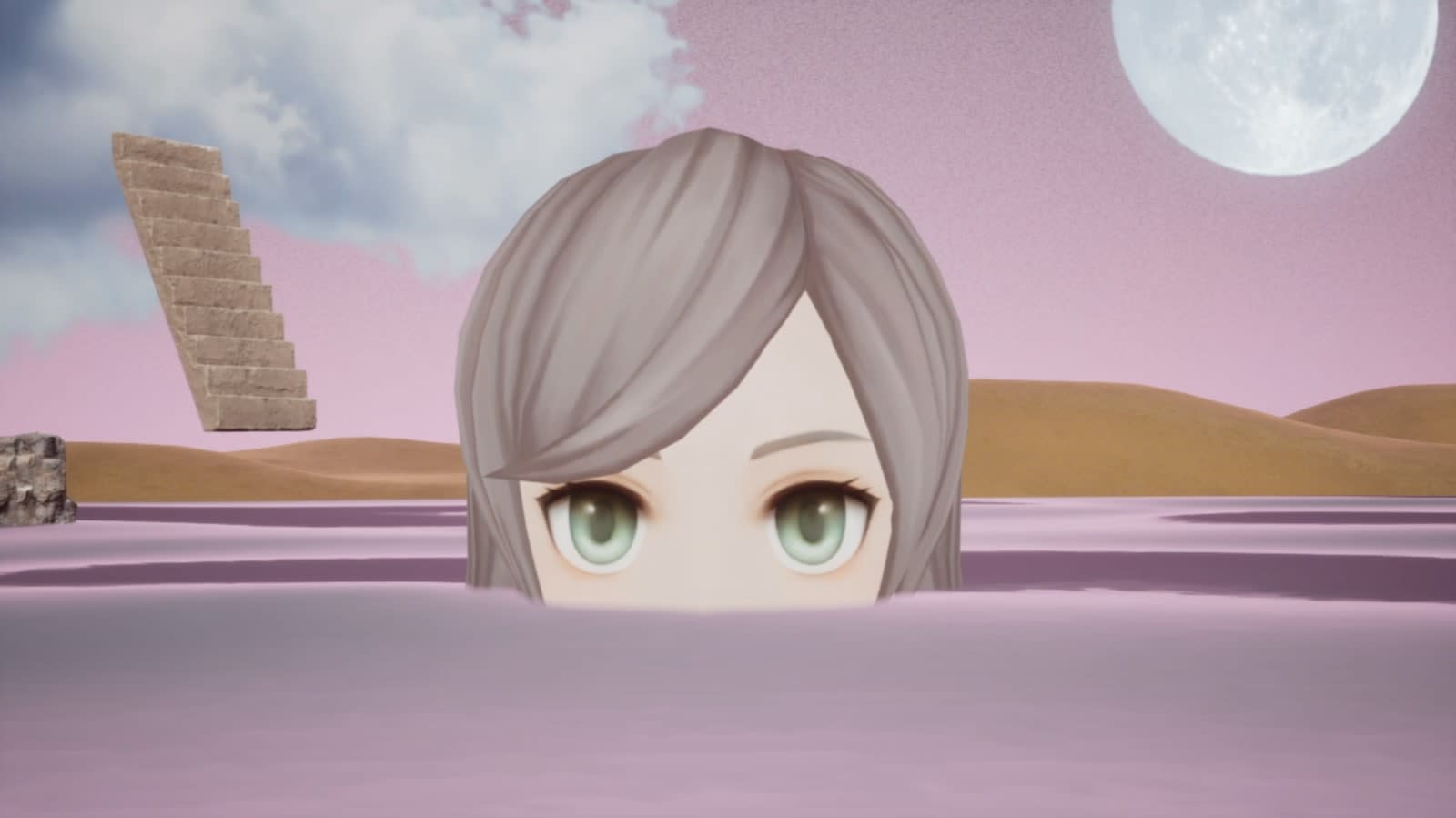
  • Half of animated head coming out of the ground.
    Angelina Han, 2020. MA Visual Effects, London College of Communication, UAL. 2020
    MA Visual Effects, London College of Communication, UAL
  • Student standing in virtual exhibition with her hands on her head.
    Guiheng Wang, 2020. MA Visual Effects, London College of Communication, UAL. 2020
    MA Visual Effects, London College of Communication, UAL
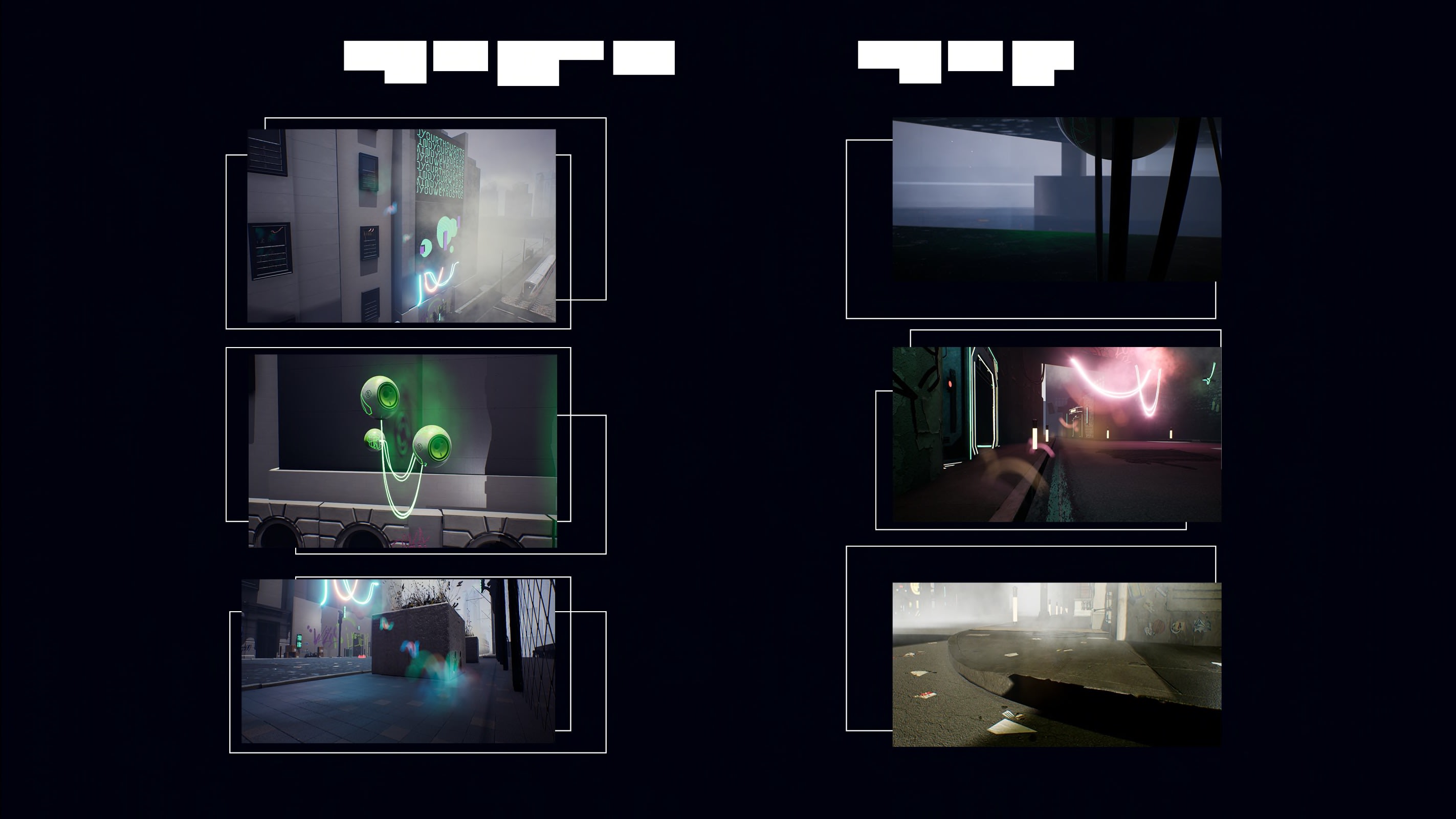
  • 6 images exploring themes of serveillance.
    Petya Dimova, 2020. MA Visual Effects, London College of Communication, UAL. 2020
    MA Visual Effects, London College of Communication, UAL
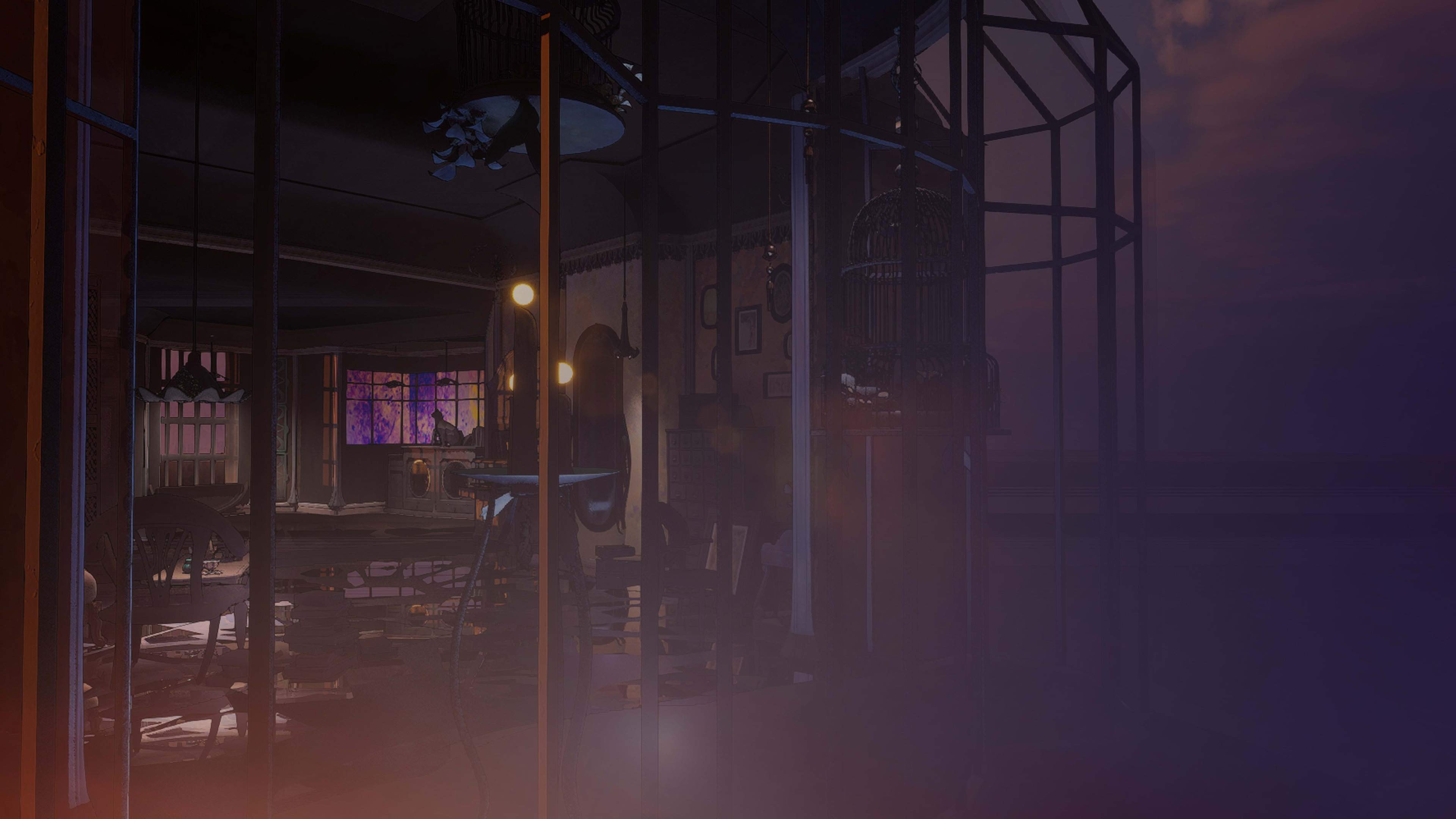
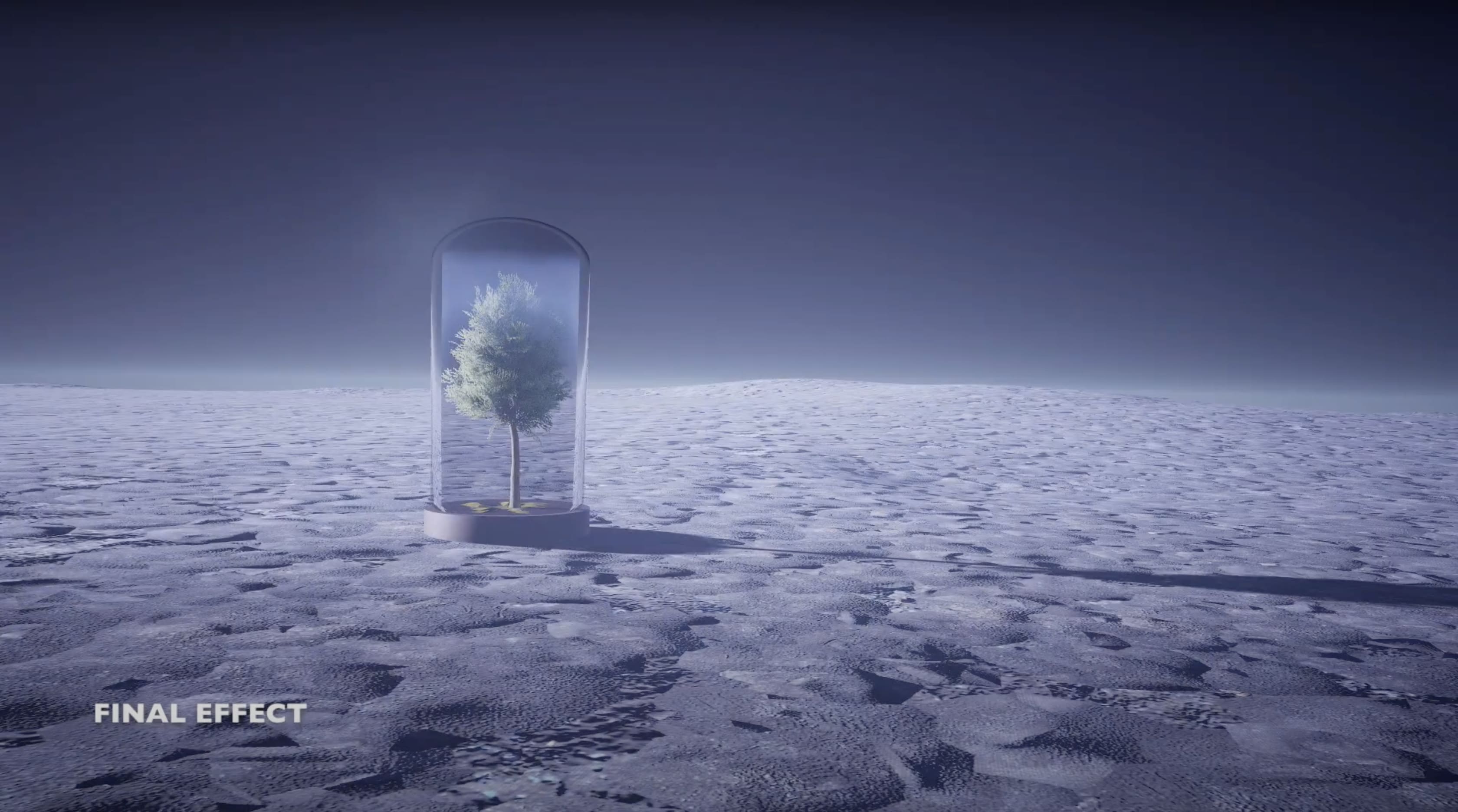
  • A covered tree sitting on empty land.
    Shuyang Lin, 2020. MA Visual Effects, London College of Communication, UAL.Shuyang Lin 2020
    MA Visual Effects, London College of Communication, UAL
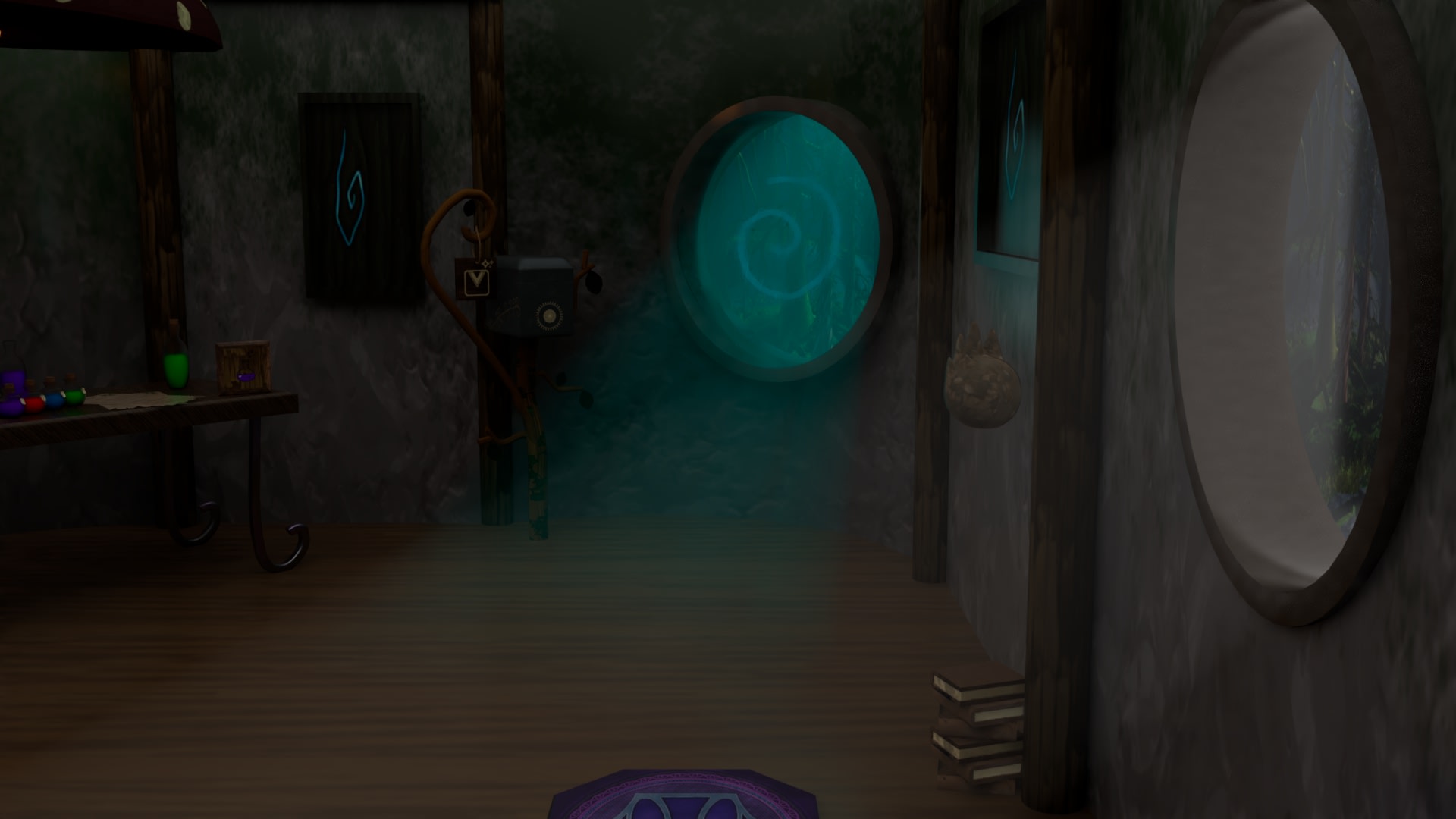
  • Robot looking in the mirror, touching their face with a halo above its head.
    Weinan Ruan, 2020. MA Visual Effects, London College of Communication, UAL. 2020
    MA Visual Effects, London College of Communication, UAL

Staff

Fees and funding

Home fee

£14,420

This fee is correct for 2026/27 entry and is subject to change for 2027/28 entry.

Tuition fees may increase in future years for new and continuing students on courses lasting more than one year. For this course, you can pay tuition fees in instalments.

Students from countries outside of the UK will generally be charged international fees. The rules are complex so read more about tuition fees and determining your fee status.

International fee

£30,890

This fee is correct for 2026/27 entry and is subject to change for 2027/28 entry.

Tuition fees may increase in future years for new and continuing students on courses lasting more than one year. For this course, you can pay tuition fees in instalments.

Students from countries outside of the UK will generally be charged international fees. The rules are complex so read more about tuition fees and determining your fee status.

Additional costs

You may need to cover additional costs which are not included in your tuition fees, such as materials and equipment specific to your course. Typical approximate costs for this course include:

  • Laptop (recommended)
  • Adobe Creative Cloud (recommended): £42 per year

For a list of general digital equipment you may need (and how you can borrow equipment), visit our Study costs page.

Accommodation

Find out about accommodation options and how much they will cost, and other living expenses you’ll need to consider.

Scholarships, bursaries and awards

If you’ve completed a qualifying course at UAL, you may be eligible for a tuition fee discount on this course. Find out more about our Progression discount.

You can also find out more about the Postgraduate Masters Loan (Home students only) and scholarships for Home and International students. Discover more about student funding.

If you’re based in the UK and plan to visit UAL for an Open Event, check if you’re eligible for our UAL Travel Bursary. This covers the costs of mainland train or airline travel to visit UAL.

How to pay

Find out how you can pay your tuition fees.

Scholarship search

Entry requirements

An applicant will normally be considered for admission if they have achieved an educational level equivalent to an honours degree in either animation, illustration, visual communication, graphic design or closely related subject, and present a portfolio of moving-image work. However, we do not exclude candidates who have graduated from other less strongly aligned disciplines.

This educational level may be demonstrated by:

  • Honours degree (named above);
  • Possession of equivalent qualifications;
  • Prior experiential learning, the outcome of which can be demonstrated to be equivalent to formal qualifications otherwise required;
  • Or a combination of formal qualifications and experiential learning which, taken together, can be demonstrated to be equivalent to formal qualifications otherwise required.

APEL (Accreditation of Prior Learning)

Applicants who do not meet these course entry requirements may still be considered in exceptional cases. The course team will consider each application that demonstrates additional strengths and alternative evidence. This might, for example, be demonstrated by:

  • Related academic or work experience
  • The quality of the personal statement
  • A strong academic or other professional reference
  • OR a combination of these factors

Each application will be considered on its own merit but we cannot guarantee an offer in each case.

Language Requirements

All classes are conducted in English. If English is not your first language, we strongly recommend you let us know your English language test score in your application. If you have booked a test or are awaiting your results, please indicate this in your application. When asked to upload a CV as part of your application, please include any information about your English test score.

  • IELTS 6.5 (or equivalent) is requires, with a minimum of 5.5 in each of the four skills.
  • If your first language is not English, you can check you have achieved the correct IELTS level in English on the Language Requirements page.
  • For further details regarding international admissions and advice please visit the International Applications page.

Selection criteria

Offers will be made based on the following selection criteria, which applicants are expected to demonstrate:

  • Sufficient prior knowledge and experience of and/or potential in animation, live action and VFX practice to be able to successfully complete the programme of study, and have an academic or professional background in a relevant subject.
  • Knowledge of visual culture and an ability to engage in critical discussion.

Information for disabled applicants

UAL is committed to achieving inclusion and equality for disabled students. This includes students who have:

     
  • Dyslexia or another Specific Learning Difference
  • A sensory impairment
  • A physical impairment
  • A long-term health or mental health condition
  • Autism
  • Another long-term condition which has an impact on your day-to-day life

Our Disability Service arranges adjustments and support for disabled applicants and students.

Read our Disability and dyslexia: applying for a course and joining UAL information.

Apply now

Application deadline

Deadline

Round 1:

2 December 2025 at 1pm (UK time)

Round 2:

18 March 2026 at 1pm (UK time)

Digital portfolio and video task deadline

Round 1:

16 December 2025 at 1pm (UK time)

Round 2:

31 March 2026 at 1pm (UK time)

Decision outcome

Round 1:

20 March 2026

Round 2:

19 June 2026

Round 1
Round 2
Deadline
2 December 2025 at 1pm (UK time)
18 March 2026 at 1pm (UK time)
Digital portfolio and video task deadline
16 December 2025 at 1pm (UK time)
31 March 2026 at 1pm (UK time)
Decision outcome
20 March 2026
19 June 2026

We have 2 rounds of deadlines for postgraduate courses: one in December and one in March. If there are still places available after 18 March, this course will remain open to applications until all places have been filled.

Read more about deadlines

Apply now

Application deadline

Deadline

Round 1:

2 December 2025 at 1pm (UK time)

Round 2:

18 March 2026 at 1pm (UK time)

Digital portfolio and video task deadline

Round 1:

16 December 2025 at 1pm (UK time)

Round 2:

31 March 2026 at 1pm (UK time)

Decision outcome

Round 1:

20 March 2026

Round 2:

19 June 2026

Round 1
Round 2
Deadline
2 December 2025 at 1pm (UK time)
18 March 2026 at 1pm (UK time)
Digital portfolio and video task deadline
16 December 2025 at 1pm (UK time)
31 March 2026 at 1pm (UK time)
Decision outcome
20 March 2026
19 June 2026

We have 2 rounds of deadlines for postgraduate courses: one in December and one in March. If there are still places available after 18 March, this course will remain open to applications until all places have been filled.

Read more about deadlines

Apply to UAL

Start your application
or

Apply with a UAL Representative

Based across the world, our local UAL representatives can support you with your application from your home country. Check to see if there is a representative available in your country currently.

Find your representative

How to apply

Follow this step-by-step guide to apply for this course

Step 1: Initial application

You will need to submit an initial application including your personal statement and CV.

Personal statement advice

Your personal statement should be maximum 500 words and include:

  • your reasons for choosing the course
  • your current creative practice and how this course will help you achieve your future plans
  • any relevant education and experience, especially if you do not have any formal academic qualifications.

CV advice

Please provide a CV detailing your education, qualifications and any relevant work or voluntary experience. If you have any web projects or other media that you would like to share, please include links in your CV. If English is not your first language, please also include your most recent English language test score.

Read our advice on preparing the tasks and documents for your initial application.

Step 2: Video task and digital portfolio

We will review your initial application. If you have met the standard entry requirements, we will ask you to submit a video task and digital portfolio.

You’ll need to submit these via PebblePad, our online portfolio tool. Please submit your video task on the first page followed by your portfolio.

Video task advice

We would like you to submit a 2-3 minute video to help us learn more about you. When recording your task, please face the camera and speak in English.

What to include in your video task

  • Choose 1 project from your portfolio and explain how it challenged you and your understanding of visual effects.
  • Tell us how this experience inspired you to apply to MA Visual Effects at London College of Communication.

Find advice on how to plan and film your video task. Then read our guidance on how to submit your video task, including the file types we accept.

Digital portfolio advice

Your portfolio should consist of recent work that reflects your creative strengths.

It should:

  • be a maximum of 10 pages including your video task
  • include image-led and visual work from a minimum of 5 projects
  • include examples of any 3D, live action, VFX or animation projects you’ve worked on (no time limit) and/or a showreel of up to 60 seconds in length. Please state your role and the techniques you used.
  • highlight your strengths, skills and interests in a specific area or angle within the field. For example, your desire to take work into the 3D space.
  • if possible, include examples that demonstrate your post-production, animation and VFX skills.

For more support, see our Portfolio advice and PebblePad advice.

You also need to know

Communicating with you

Once you have submitted your initial application, we will email you with your login details for our Applicant portal.

Requests for supplementary documents like qualifications and English language tests will be made through the applicant portal. You can also use it to ask questions regarding your application. Visit our After you apply page for more information.

Applying to more than 1 course

You can apply for more than 1 postgraduate course at UAL but we recommend that you apply for a maximum of 3 courses.

As every course has its own entry and assessment requirements, we recommend tailoring each application to showcase how your experience, skills and interests match that course. Applying for many different courses may make it more difficult for you to show that you are suitable for each course in a competitive admissions process.

Only apply to the course(s) you are most interested in – applying for too wide a range of different courses may reduce your ability to clearly demonstrate your suitability for each. It’s better to make fewer bespoke applications than many generic ones. This will help you to stand out where we have high demand for places.

If you receive offers for multiple courses, you'll only be able to accept 1 offer. UAL doesn't accept repeat applications to the same course in the same academic year.

Visas and immigration history check

All non-UK nationals must complete an immigration history check. Your application may be considered by our course teams before this check takes place. If your course requires a portfolio and/or video task, we may request these before we identify any issues arising from your immigration history check. Sometimes your history may mean that we are not able to continue considering your application. Visit our Immigration and visas advice page for more information.

External student transfer policy

UAL accepts transfers from other institutions on a case-by-case basis. Read our Student transfer policy for more information.

Alternative offers

If we are unable to consider you for the course you have applied to but your application is really strong, we may make you an alternative offer on a different course or at a different UAL College. This happens when our admissions tutors have found another course that they believe would be a strong match for your skills and interests.

Deferring your place

We do not accept any deferral requests for our postgraduate courses. This means that you must apply in the year that you plan to start your course and you will not be able to defer your place to start at a later date.

Application deadlines

Most of our postgraduate courses have 2 rounds of deadlines: one in December and one in March.

As long as you apply ahead of each deadline we will consider your application alongside all the other applications in that round. We always make sure to hold enough places back for round 2 to make sure we can consider your application fairly, no matter which round you apply in.

If there are still places available after the second deadline, the course will remain open to applications until all places have been filled.

For our MBA courses, there is only 1 deadline. This is 31 July for international applicants and 31 August for UK applicants. This is to make sure you have enough time to apply for your visa if you are an international student.

For our January-start courses, the deadline is in October. If there are still places available after this deadline, the course will remain open to applications until all places have been filled.

Careers