What to expect from an Illustration Short Course

- Written byLoana Rondot
- Published date 08 November 2024
Share story
Our Illustration Short Courses are designed to spark creativity and support artistic exploration, no matter where you are on your journey. From hands-on classroom lessons to at-home online sessions; and whether you are looking for an intensive, daily experience or a flexible course that fits around other commitments, we’ve got something for every level and interest.
Who should take an illustration course?
- Art enthusiasts: Designed to help you build on your illustration skills and explore new techniques, our courses will encourage you to develop your personal visual language and try out new methods—a great way to take your craft to the next level.
- Students and recent graduates: Bridge the gap between academic learning and the illustration industry. We build on foundational knowledge, helping you cultivate a portfolio that stands out while also gaining practical skills and industry-relevant experience that can support your career as a professional illustrator.
- Lifelong learners and home-based practitioners: If you are working from home or returning to art after a break, our online and weekend and evening illustration courses offer flexibility and support. Ideal for those who want to continue learning while balancing other commitments.
Student testimonials
Book Illustration student Emma Welsh found a short course to be the perfect environment for rediscovering her passion for art. “I was looking for a way to pick up on an art school career that I might have had when I was 18,” she explains. “I got into art school but never went, I couldn’t get a grant. Fast forward 40 years, I thought I'd go back to this thing that I'd always loved when I was younger."
Her advice to future students? “Come with an open mind and tune into the advice given by the tutors. They are very gentle and wise, allow yourself to experiment while you’re in this safe environment.”
What skills will you learn?
- Foundational art techniques: You will focus on the essentials, like line drawing, colour theory, and composition. These basics provide the structure to build your creative skills, regardless of your experience level.
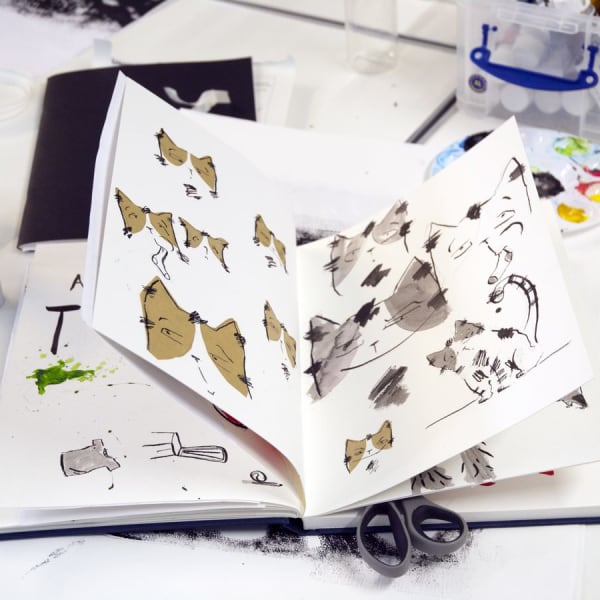
- Experimentation with media and styles: We encourage experimentation across various media, from traditional to digital. “What stuck with me most,” Emma recalls, “is that we were able to be like proper students: roll up our sleeves, get messy and try things out, experiment.” Dive into watercolour, mixed media, or digital illustration—a chance to discover new materials and techniques that align with your artistic vision.
- Building a personal style: Developing a unique, recognisable style is what separates one artist from another. Our courses emphasise self-expression, so you will be encouraged to explore your individual perspective and visual language as an artist.
Course structure and learning experience
Hands-on studio sessions
Studio time is at the heart of UAL’s approach. Emma describes “a practical ‘come in every day’ sort of thing” where you “actually get on and do the art.” Our hands-on sessions encourage experimentation and freedom, providing a supportive space to take risks and push creative boundaries. “The idea that we might be doing something badly is just not in the room,” Emma adds.
Live demonstrations and guest lectures
Our courses connect you with actual illustrators in the field, offering the chance to hear from freelance illustrators, art directors, and others in the illustration industry, providing real-world perspectives and techniques that bring the industry closer.
Collaborative projects
Group projects are a central part of the learning experience, designed to foster teamwork, offer peer feedback, and build confidence in sharing your work. Working with others can open up fresh ways of seeing things, leading to collaborations that might inspire your own contemporary illustration practice.
Course outcomes and career opportunities
Portfolio development
For those looking to turn their skills into a career, developing a professional-grade portfolio is one of our key learning outcomes. Whether you’re starting from scratch or looking to refine what you already have, we will help ensure that your portfolio represents your best work.
Job prospects
With a strong portfolio, you’ll be well-prepared for career paths like freelance illustration, concept art, and art direction. Our courses provide the creative practice, technical skills and knowledge you need to stand out in these competitive fields.
Pathway to further education
If your goal is to continue your studies, completing a UAL illustration course can open up doors to advanced programs or degrees in the arts. It’s an ideal stepping stone for anyone considering further education in creative disciplines.
Want to dig deeper? Read more about how to develop your illustration skills with a short course. For some top tips on building your practice as an illustrator, take a look at our guide on how to become an illustrator.