AI and the creative industries: what’s changing and why it matters
- Written byCody O'Connor
- Published date 24 November 2025
Share story
How AI is reshaping the creative industries
Across the creative industries, people are finding innovative ways of using AI (artificial intelligence) software in their practice. AI platforms are inspiring new developments in film, theatre and set design, fashion technology, and more.
A report by the UK Parliament outlines that "recent years have seen a rapid development in the use of digital technologies by arts, cultural and heritage organisations. (...) Yet questions remain about the impact of new technologies on how arts and culture is created, consumed and valued."
We offer a range of short courses to help you get to grips with AI and explore the creative possibilities that it presents, including courses on AI tools for fashion and set design. Our new Introduction to AI Online Short Course, led by Gabi Tropia and Martin Percy, explores the risks around AI, such as copyright, bias, and the environmental impact, and the possibilities that it offers as a collaborative tool for creative professionals.
Martin, who is a specialist in AI known for his pioneering use of digital technologies, will be teaching on the course. He says that "AI is changing vast areas of human activity. Many of us – including myself – feel threatened that AI systems are now able to do things that formerly only expert humans could do."
Practical creative applications of AI
Matthew Drinkwater is the Head of the Fashion Innovation Agency at London College of Fashion. He shares, "AI can drastically reduce the time between concept and visual output, freeing creative teams to ideate more, push boundaries faster and explore visions that would have previously been too time-consuming or expensive to prototype."
Designers and artists can use AI in their creative process by generating reference images and visuals for pitch decks or mood boards, for example.
Why creative thinking beats AI alone
Sam Altman is the CEO of OpenAI, the company that founded ChatGPT. He says that in the future, "figuring out what questions to ask will be more important than figuring out the answer" and compares recent developments in AI software to the invention of Google’s search engine.
Speaking on Adam Grant’s TED-produced podcast, ReThinking, Altman explains that with the internet, "we learned how to do more difficult, more impactful things, more interesting things. (...) I expect AI to be like that too."
Why AI Is essential for the creative industries
Learning more about AI can help you to stand out in a competitive career market and using it may be an industry standard for creative jobs of the future. Martin believes "It’s certainly not too late to make yourself an expert in one aspect of AI - because it’s all so new."
The language and terminology used around AI can be intimidating, but building knowledge can help you to feel more confident on the topic. The Introduction to AI Online Short Course is beginner friendly and provides a non-judgemental introduction to the subject aimed at anyone interested in the future of technology.
During the course, everyone is free to share their feelings about AI - whether positive, negative, or both. Martin’s advice to those who are new to AI is to "seize the opportunity and look at what you could do using AI that you could never do before".
Master AI for creative work
Martin is an award-winning Film Director who has received a BAFTA and an Emmy Award. Using AI is a key part of his creative process, “I don’t regard AI systems like Claude and ChatGPT as “tools” — I regard them as important collaborators. We come up with great ideas together.” Gabi Tropia will be teaching alongside Martin on the course. She explores AI filmmaking as a form of artistic research and is the course leader for MA Performance: Screen at Central Saint Martins.
If you are interested in keeping on top of new developments in AI, Martin recommends watching YouTube channels including The AI Advantage, AI Explained and Hard Fork.
Introduction to AI Online Short Course
Our new Introduction to AI Online Short Course covers:
- How to distinguish between different types of AI (narrow AI, generative AI, level AI, super-intelligent AI)
- How to understand what AI is and how it works in basic terms
- How to participate confidently in wider discussions around AI’s future
Fashion design with AI technology
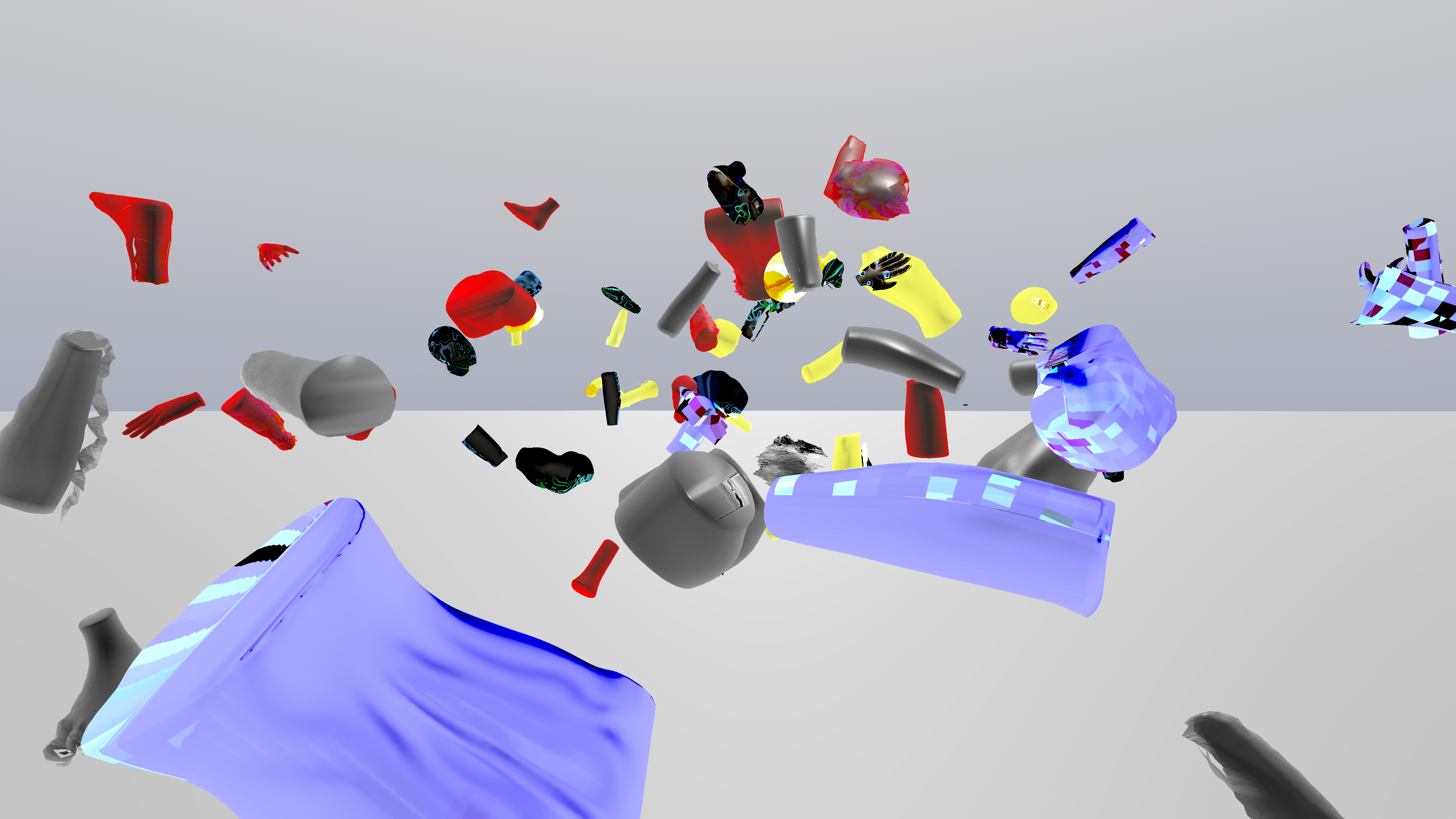
For fashion enthusiasts, the Fashion Design with AI Technology Short Course focuses on how to bring fashion design ideas to life with AI technology. Students will be guided through Style3D, a garment modelling software used to develop digital prototypes. It explores how digital tools can support human creativity and streamline the workflow of a fashion designer.
On the role of artificial intelligence in the creative industries, Matthew Drinkwater notes "Fashion has always evolved through the technologies of its time and AI is no different. It will expand what’s even possible creatively."
On the course, students learn:
- How to use AI tools to create reference images and design concepts
- How to create a completed digital garment design and use fabric simulation tools
- How to make avatars that represent customers in a digital design space and create a virtual photoshoot
Digital tools and AI for set design
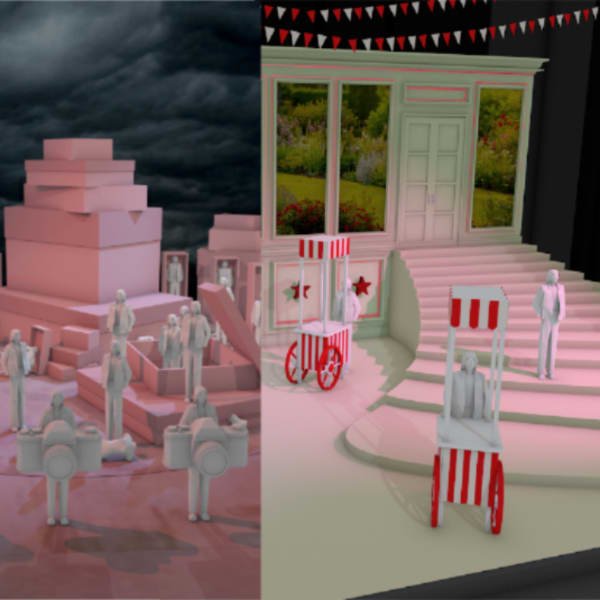
The Digital Tools and AI for Set Design Short Course explores the range of software available for those interested in set or stage design or looking to improve their digital design skills.
Taking place over one weekend, the course will provide students with an insight into a variety of programs including ChatGPT, Midjourney, Leonardo and Sketchup. Tutors share the positives and negatives of each software and advise on how they can be used as a creative tool, including:
- How to adapt generative AI image generators and 3D modelling tools to the design process
- How to participate in critical discussions around the future of AI, including ethics, and how it is already impacting the creative industries
- How to integrate traditional craftsmanship with digital tools and AI technology
The future is creative (with AI as your tool)
Whether discussions around AI make you feel curious, anxious or optimistic, finding out more is a great way to build confidence and feel included in the conversation.
Human creativity and ideas are central to what we can achieve with AI, and upskilling with new software can save you time and inspire experimentation.
Embrace the power of learning, explore upcoming short courses at UAL today.