Here are some helpful reminders of how to keep yourself and your belongings safe.
Protecting yourself from opportunist thieves
- Be aware of your surroundings (no headphones and hoods)
- Keep your valuables out of sight
- Walk against the flow of traffic
- Don’t carry valuable cards with you, such as your BRP card, passport or driver’s licence.
Protecting yourself from ATM theft
- Look out for devices attached to the ATM machine
- If possible, go inside the bank where it is safer to withdraw money
- Cover your pin and keep an eye on your card at all times
- If someone taps you on the shoulder or tries to speak to you, just ignore them
Protecting yourself from pickpockets
- Don’t leave belongings on the back of chairs or underneath tables where you can’t see them
- Keep purses and bags securely locked and zipped at all times
- Keep a photocopy of your airline tickets, passport, credit cards and any other documents that would be impossible or inconvenient to replace if stolen
- Keep a list, separate from your wallet and phone, of contact numbers of family in case your phone is stolen
Protecting your phone
- Never leave it unattended
- Retain a record of your phone’s IMEI number
- Use a pin lock to protect your data
- Install a tracking app
Public transport safety
- Avoid sitting in empty train carriages, where you are more vulnerable
- At night, avoid walking alone in places such as parks and side streets or any unfamiliar environment
- Ensure your minicab is pre-booked so that there is a record of your journey and driver
- Take a picture of your taxi’s number plate and send it to a friend
- Some pedicabs or cycle rickshaws have been known to demand extremely large sums of money for very short rides, agree the fee in advance
- If using the night bus, sit downstairs or close to the driver, where they can see you
Protecting yourself against drink spiking
- Never lose sight of your drink
- Be vigilant if talking with strangers
- Look out for friends who may be more drunk than you’d expect, and make sure they get medical help or get home safely
If you are worried you’ve been a victim of a crime, call 101 to report crime and other concerns that do not need an emergency response.
If there is a true emergency always dial 999.
You can also contact Student Services or Arts SU’s Advice Service if you’re not sure what to do.
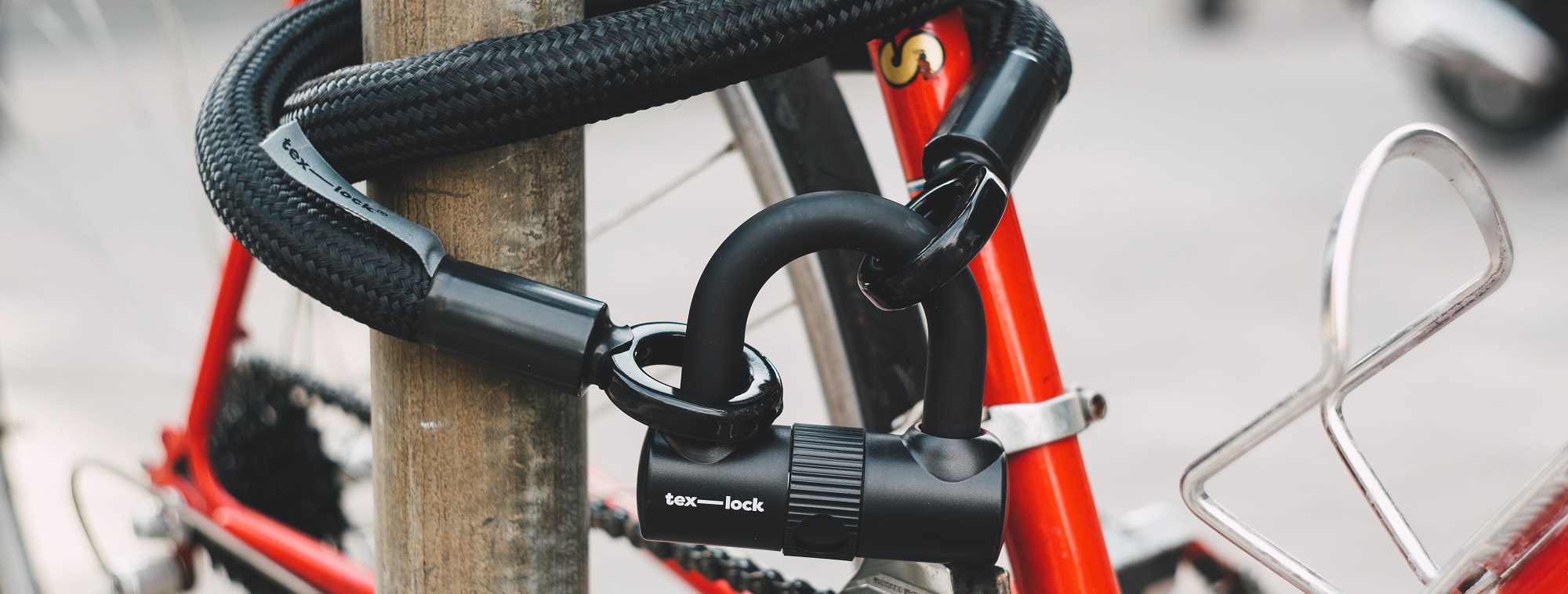
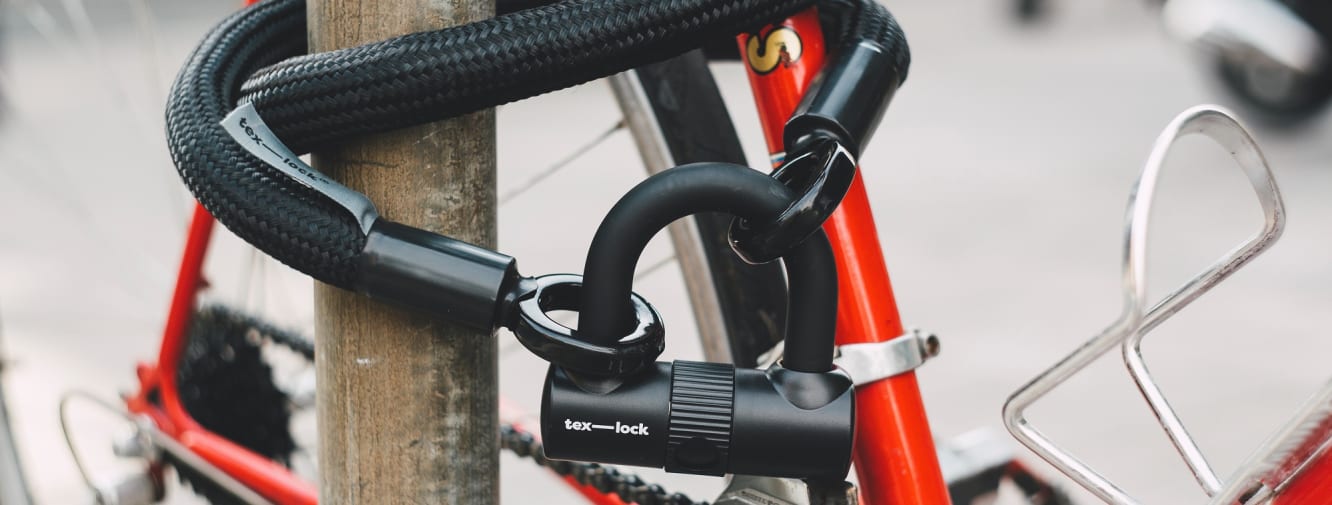
Photo by Markus Spiske on Unsplash.