Meet: Bunmi Agusto
- Written byGiada Maestra
- Published date 12 November 2025
Share story
Congratulations to Bunmi Agusto on her double debut at this year’s Frieze London Fair — one of the world’s most influential contemporary art fairs, dedicated exclusively to contemporary art and living artists, held each October in central London.
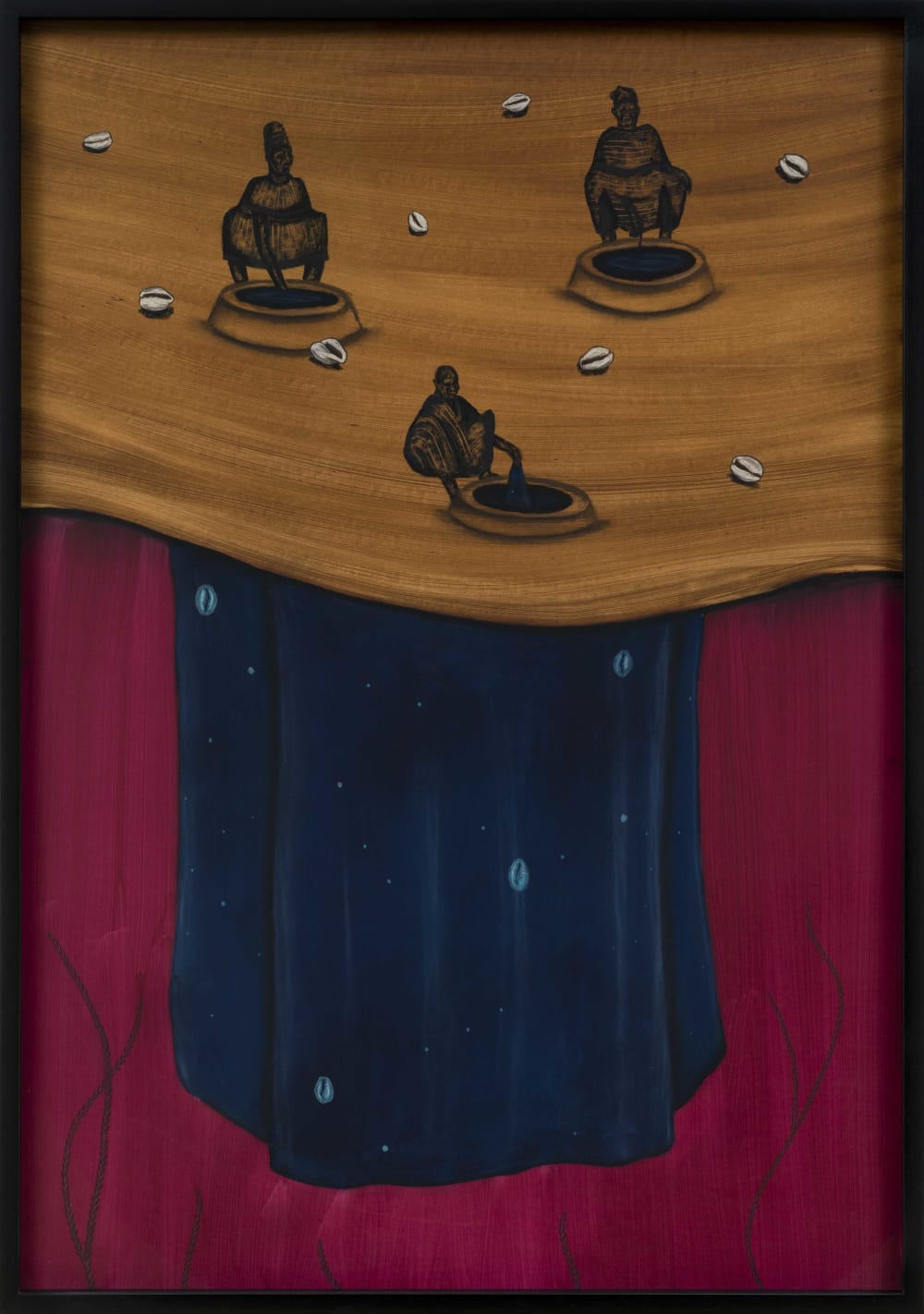
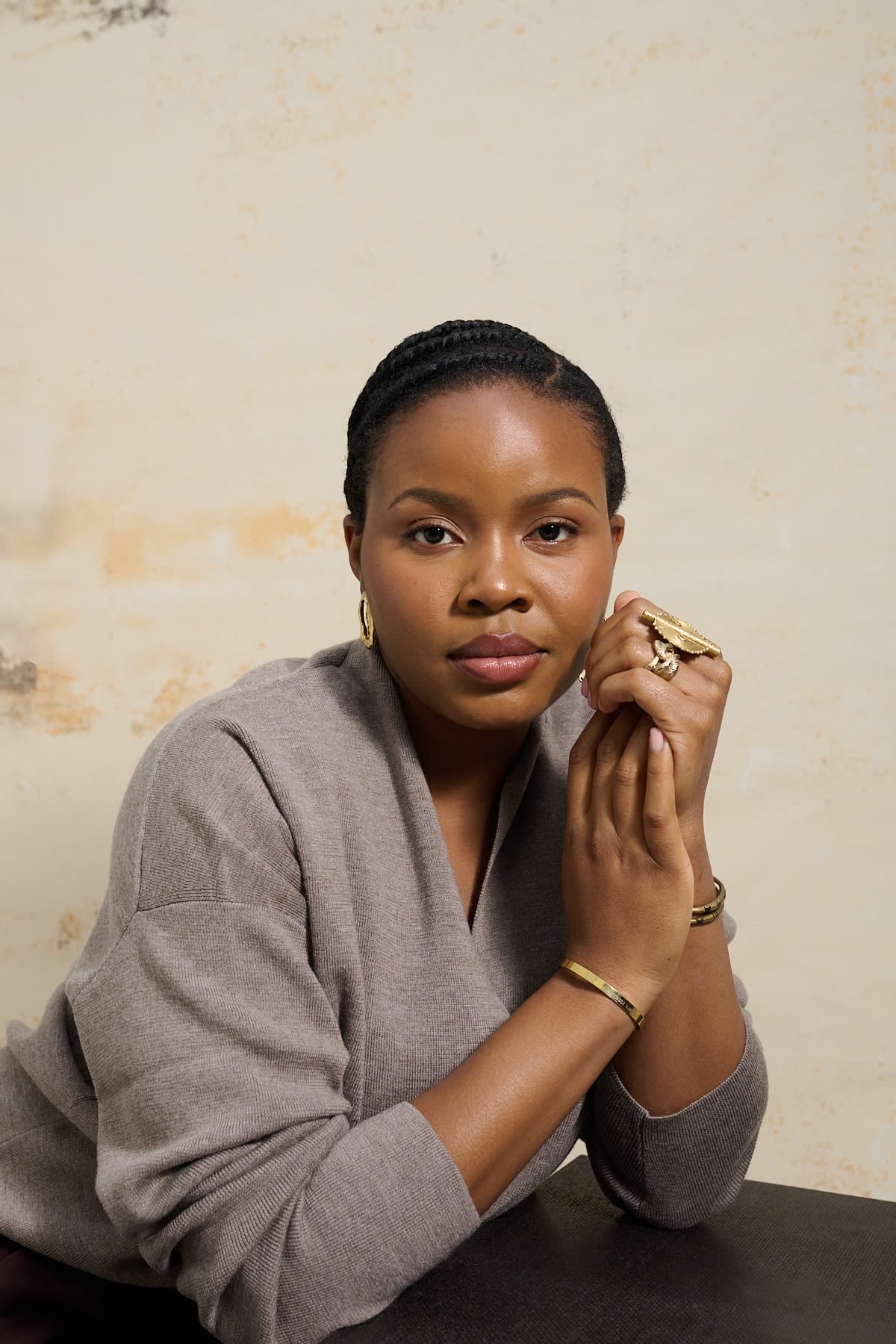
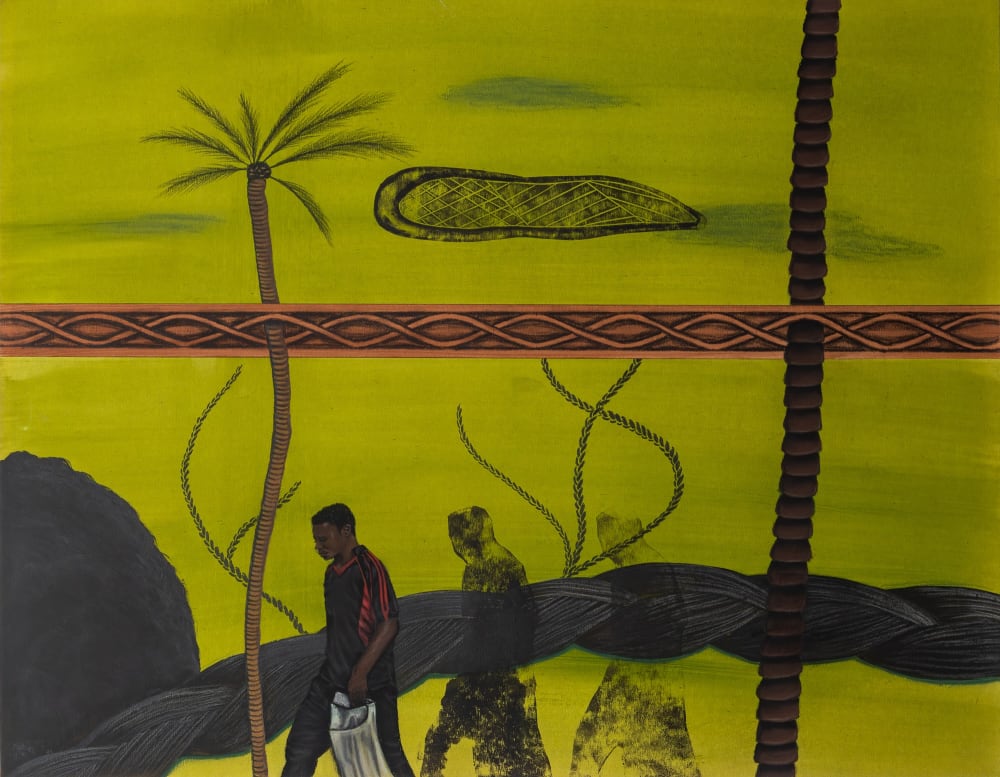
Multimedia artist and Central Saint Martin's Class of 2020 (CSM) graduate Bunmi Agusto focuses her work on fantasy and magical storytelling, set in a world she calls 'Within', which represents her inner self.
You graduated from Central Saint Martins (CSM) with a degree in Fine Art in 2020. How was your overall experience?
I enjoyed my time at CSM because it felt so liberating. It encouraged expansive thinking and broke down many limiting barriers around what one thinks art should and could be. CSM is also an extremely stimulating environment because you see something out of the ordinary everyday - so much so that it all begins to seem ordinary and you really start to think outside of the box.
Did you have any favourite workshops or activities during your time at UAL?
I really loved the library. There are friendships and connections I forged there that remain deeply relevant to my life and career today. I first discovered Chika Okeke-Agulu’s book Postcolonial Modernism: Art and Decolonization in Twentieth-Century Nigeria there, which sparked my interest in Nigerian art history. You could also rent fully equipped laptops for digital creation and access the archives. It was truly a space full of possibilities, especially for a deeply research-based practice.
What did you do after graduation?
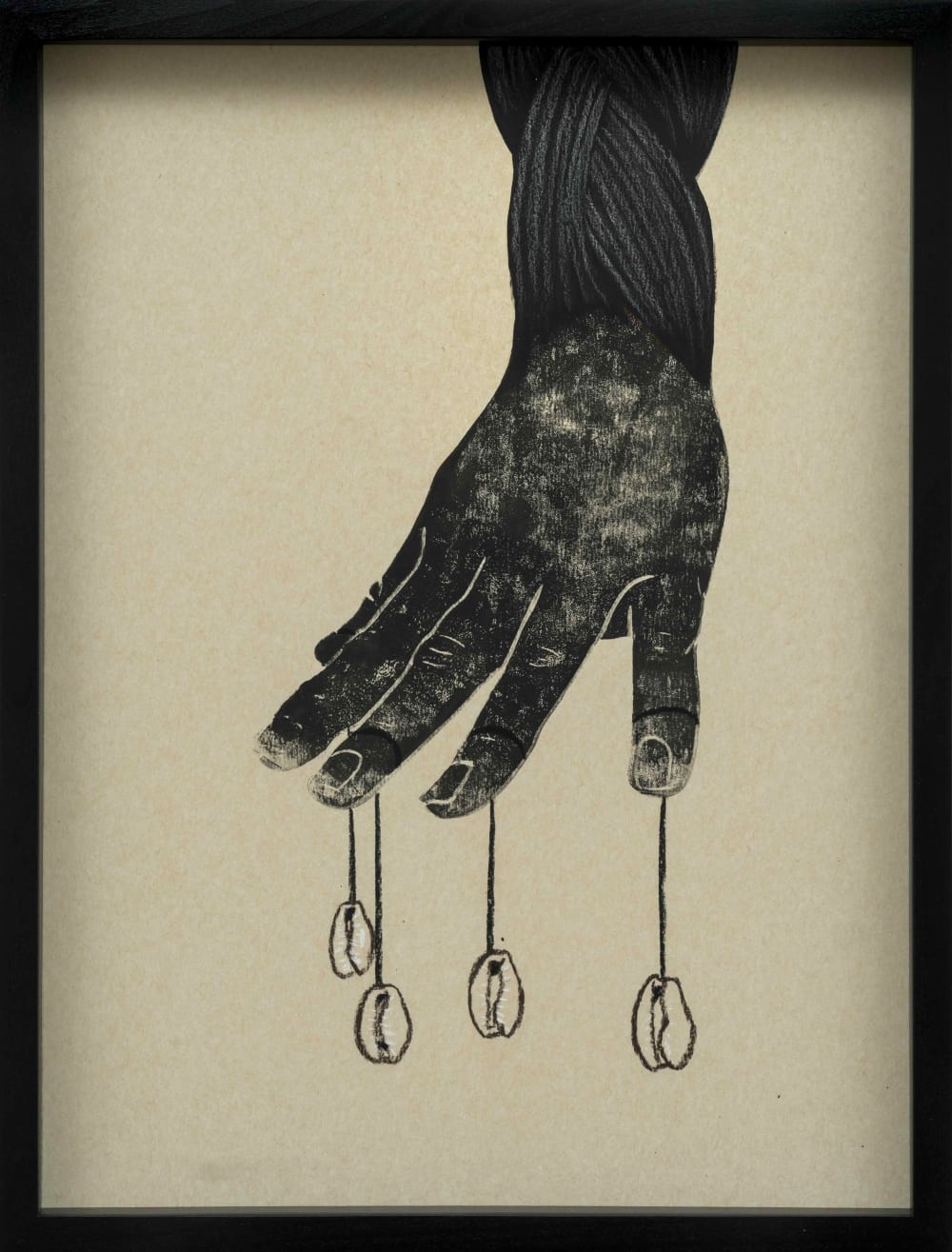
Following my graduation, I developed the paracosm I depict in my work, known as Within. I exhibited portraits of the characters that govern this magical world during my degree show. After that, I began developing their environment—a two-dimensional world situated in my head, where hair replaces all organic matter. I drew architectural sketches of buildings made with hair. I developed each character’s backstory and explored how the society functioned. Each exhibition I held began to function as a chapter of an ever-expanding story.
After CSM, I got an MA in History of Art and Archaeology from SOAS University so I could more deeply root my work in Nigerian and West African art histories —as I was born and raised in Nigeria. Afterwards, I obtained an MFA in Fine Art from the Ruskin School of Art, all whilst being a full-time artist and making work for exhibitions. Now, in addition to having built an entire world that I continue to explore in multidisciplinary artworks, I also consult on other projects across TV, fashion and theatre —even puppet design— focussing on their own world-building.
The conceptual core for which I am often called upon is fantasy and magical storytelling.
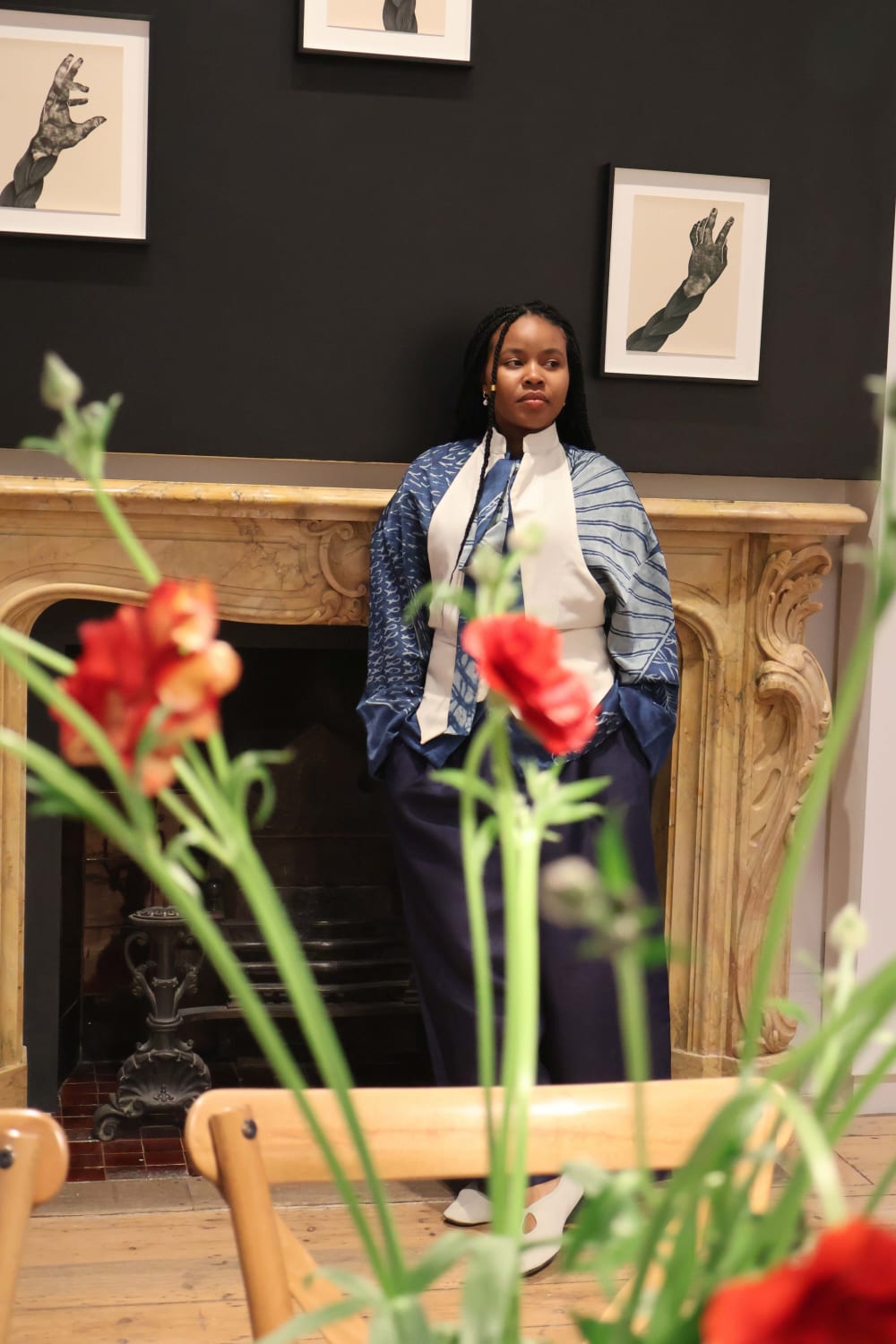
You’re an artist, writer, curator, and art historian. What’s the best part of being a multidisciplinary artist — or about your job in general?
The breadth, because I get bored very easily, so having multiple outlets and modes allows me to endlessly pull at threads and have them manifest in the art or writing practice, or even someone else’s when consulting for them.
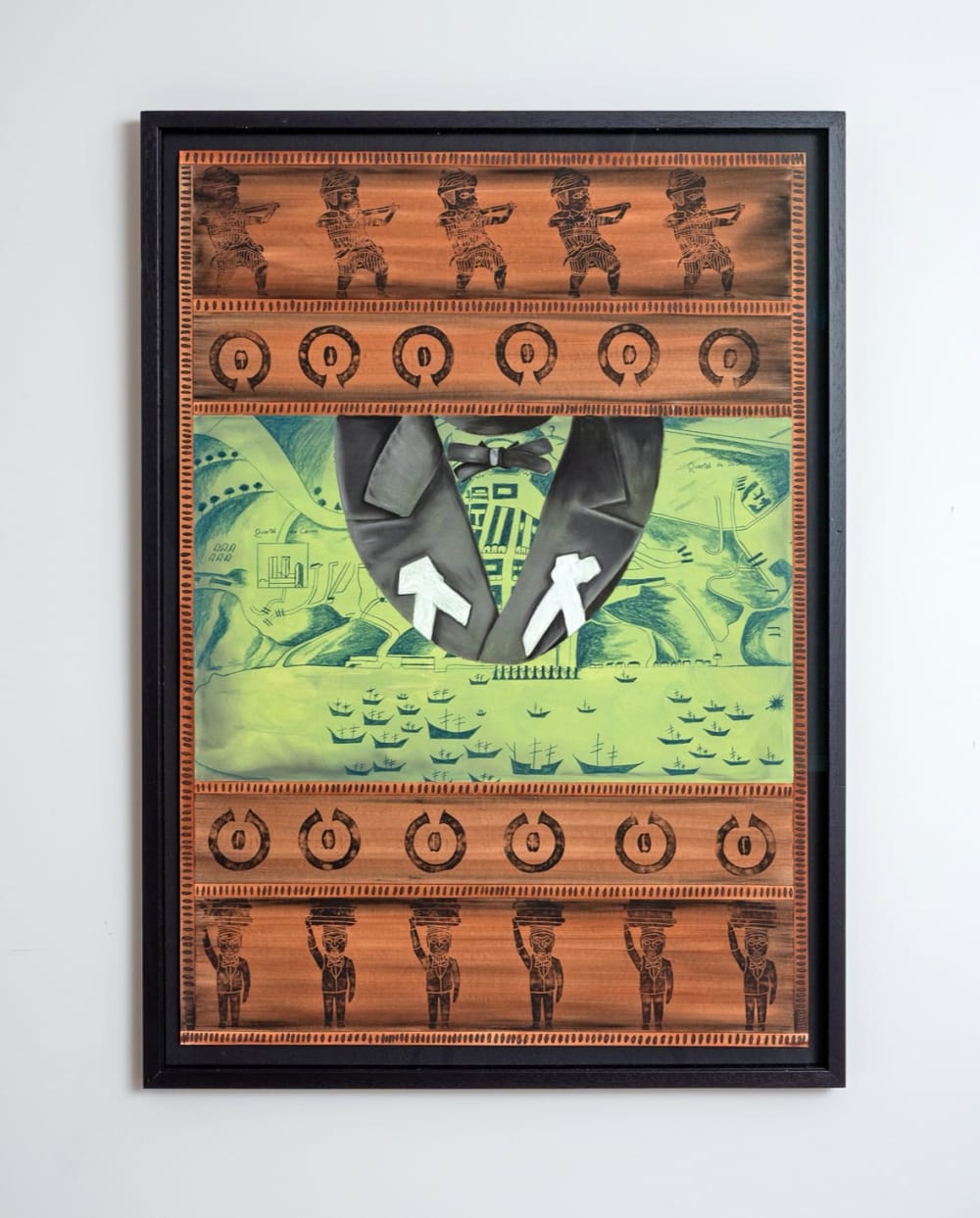
Do you have a favourite medium to work with?
I am a disciple of drawing, but I am really enjoying printmaking these days. I mostly use lino print, but I am itching to do a printmaking residency and brush up some skills I haven’t used probably since I was at CSM.
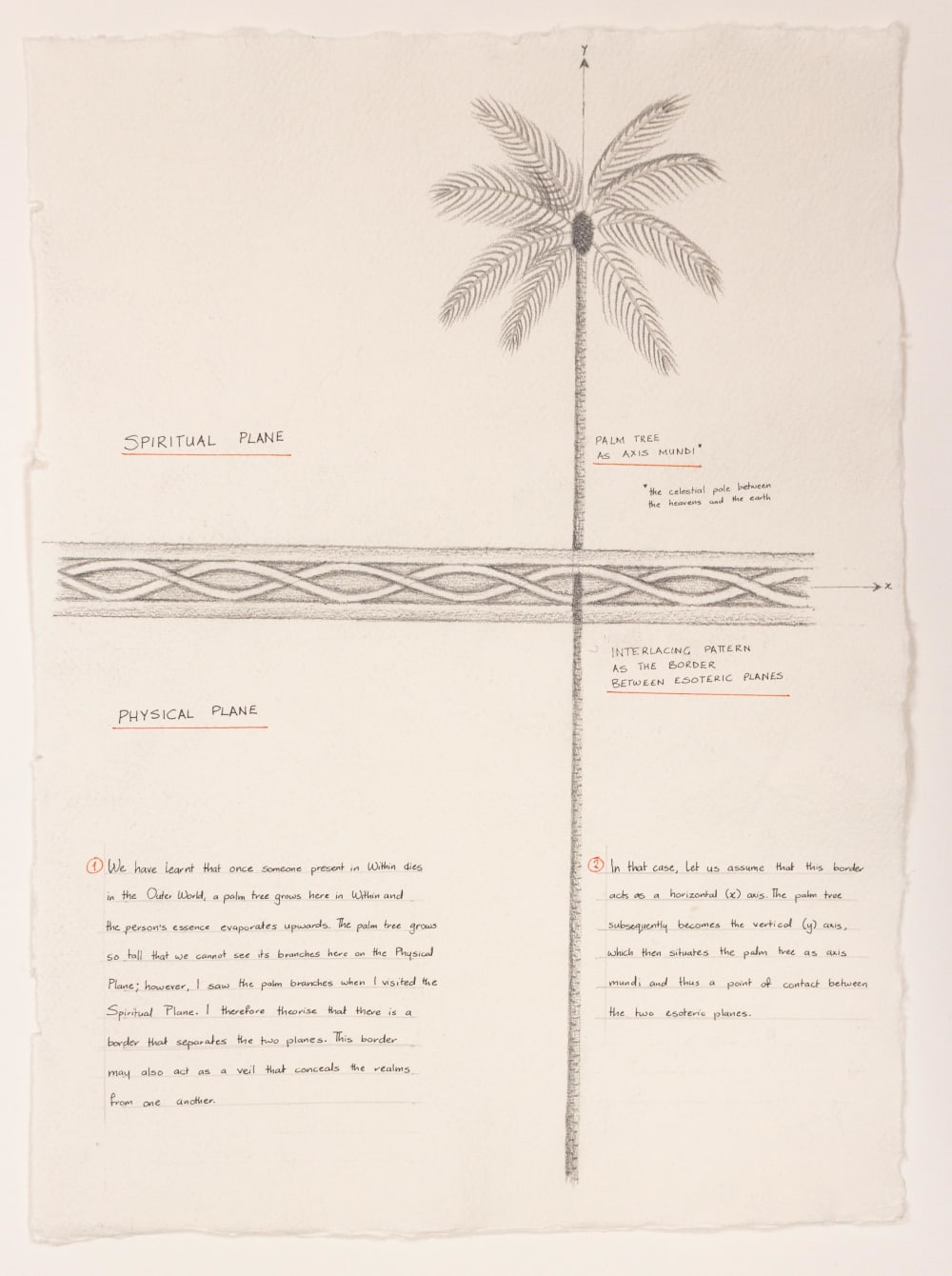
You recently got in touch about presenting a double debut at Frieze London 2025, one of the most important events in the international art calendar. Congratulations!! Can you tell us more about it, and how you feel?
Thank you! It was very meaningful for me because I was invited by Dr Jareh Das to be part of her Curated Section at the fair. I first became a fan of Jareh’s work and became acquainted with her when she curated the exhibition ‘Body Vessel Clay’ at Two Temple Place. It is a phenomenal show that has now travelled to NYC. So it was very special to be invited to one of, if not the biggest stage in the London art world by a curator I hold in such high regard.
It was additionally special because it was the perfect brief. The section was about the relationship between Brazil, Africa and their diasporas and a lot of people —even Nigerians— are not aware of the long, intricate relationship between Nigeria, Portugal and Brazil, but I am one of the living embodiments of that relationship.
I am from Lagos, a Nigerian state which was named by the Portuguese merchants who were present in the area before the British colonised Nigeria. My last name, Agusto, is a variation from the Brazilian- Portuguese ‘Augusto’ because my great-great-grandfather was kidnapped from Yorubaland as a child, enslaved in Brazil and was part of a generation known as the Agues that returned to Nigeria and settled in Lagos. There, they brought with them Brazilian culture, especially the architecture which largely formed the foundations of Lagosian urban architecture. To be the only Nigerian in the section, exhibiting drawn portraits of my ancestors, having a blown-up picture of one of the seminal pieces of Brazilian architecture in Lagos taking up space at the fair, excavating this history was all special for me.
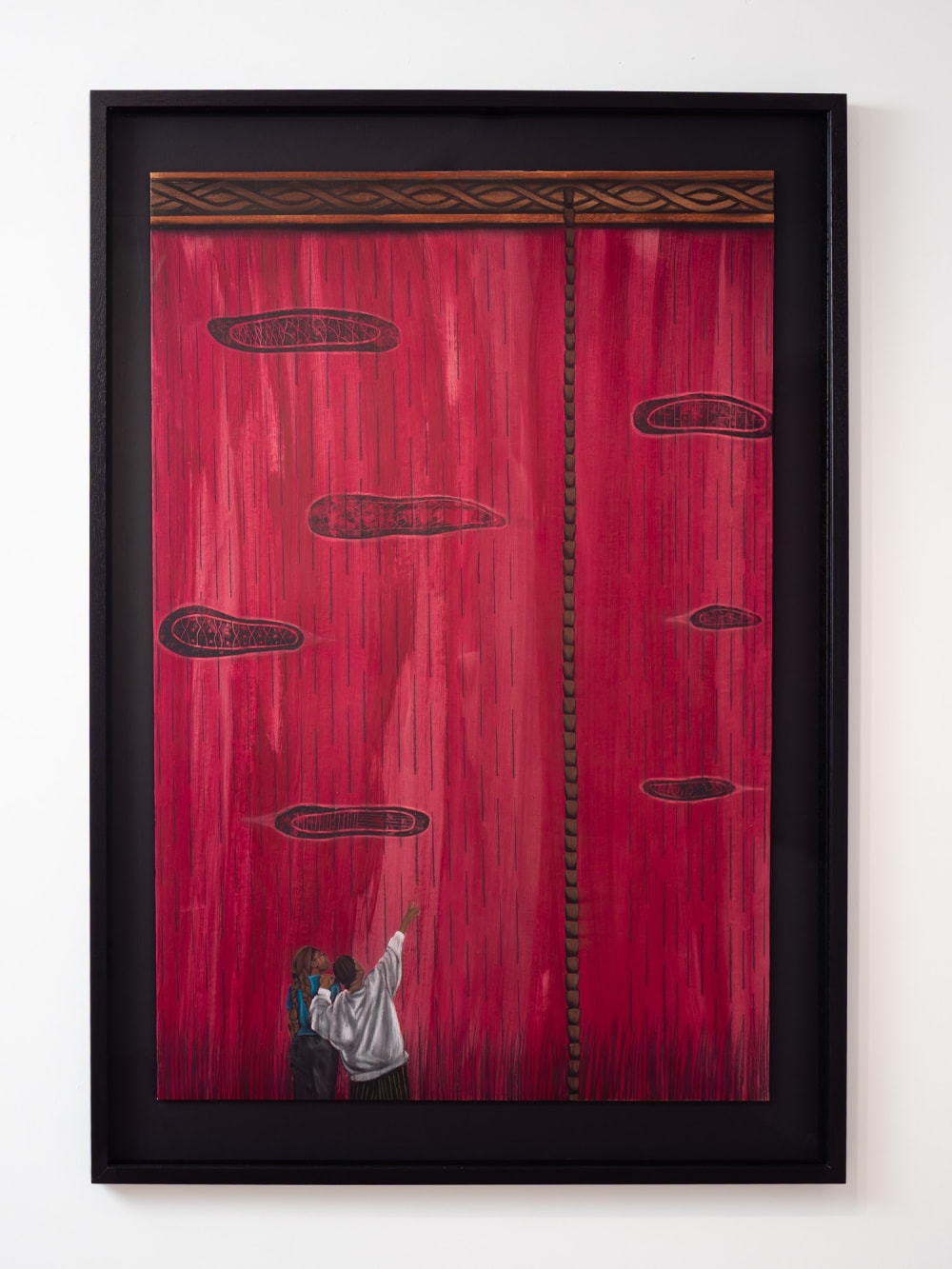
This follows your work consulting on the first-ever episode of Doctor Who set in Nigeria, being the youngest artist at TEFAF Maastricht for the second consecutive year, a billboard campaign with the Royal Academy of Arts and Camden Art Centre, and a residency in Marrakech — what a year! What has all this meant for your career and your artistic practice?
What I have really valued in all of this is finding that confidence to understand my point of view enough to apply it to multiple frameworks, whether that is TV, fashion or theatre. I also give a lot of credit to my Substack for a lot of the recent success I had because defining myself and interests clearly has allowed people to contextualise my work much better than before. Overall, it feels like people now know what I stand for and love to explore and they know what to call me up for now.
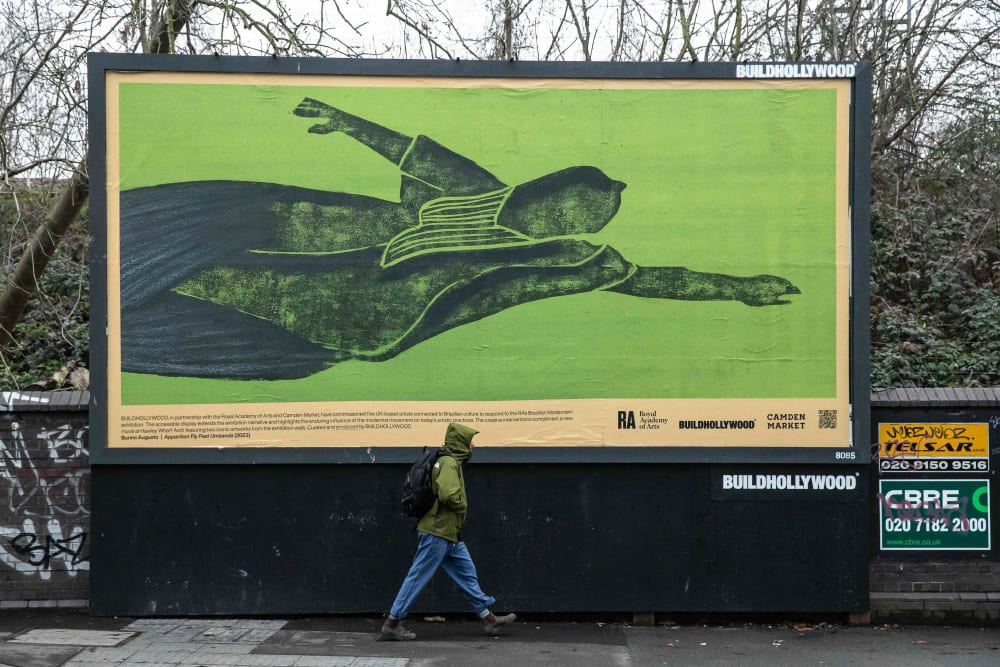
Are there any other projects or achievements you'd like to mention?
I am taking a bit of a sabbatical from making art for the next few months to focus on my writing and research. Then I shall be undertaking a residency at the institution CCA Andratx in Mallorca - a residency I was awarded at Untitled Miami Art Fair in December 2024.
Finally, what advice would you give to recent Fine Art graduates who are trying to find their career path?
In terms of building a practice, stay very true to yourself. I find it helpful to perceive rejection as incompatibility. Go to the spaces and institutions where you would be truly valued and supported. If you go spend time where you are constantly rejected and told to be something you’re not, odds are you are in the wrong. However, it is also healthy to recognise where we may just be lacking and see that as an opportunity for growth, not incapacity.