About UAL
University of the Arts London (UAL) generates and inspires the creativity the world needs for a better future. Since 1842 our Colleges have been defining creative education. With curiosity, imagination and intent we make work which creates lasting change for people and our planet.
London is core to who we are, a place where we meet and share ideas with people from different backgrounds and cultures. Our creative network influences learning, culture, industry and society on a global scale.
Our academics and practitioners deliver creative education and inspire new ways of thinking through research and innovation. We work with students at every level from pre-degree, undergraduate and postgraduate to short courses and online learning, enabling them to build the careers they want.
As a University we are ranked second in the world for Art and Design. We are formed of 6 Colleges with unique histories and identities; Camberwell College of Arts, Central Saint Martins, Chelsea College of Arts, London College of Communication, London College of Fashion and Wimbledon College of Arts. Together, we are a community of makers, thinkers, pioneers and storytellers redesigning the future.
Start your creative future
-
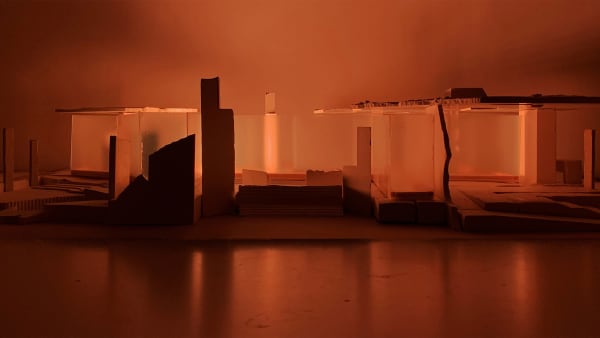
Ruijie Shen
MA Interior and Spatial Design, Camberwell College of Arts, UAL |Courses
Browse all courses at UAL. We offer pre-degree, undergraduate, postgraduate and short courses.
-
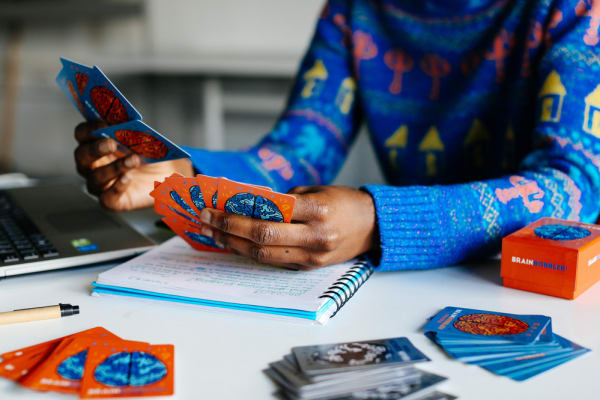
Interview with Teshome Samuel image by Alys Tomlinson
Colleges and Institutes
Learn more about our Colleges and Institutes.
-

UAL 2032 strategy | 3D render: Kate Petersons, 2023 BA Design for Branded Spaces, London College of Communication, UAL | Campaign design direction: UAL Creative
Strategy and governance
Find out how we're bringing creativity to the world with our strategy.
-
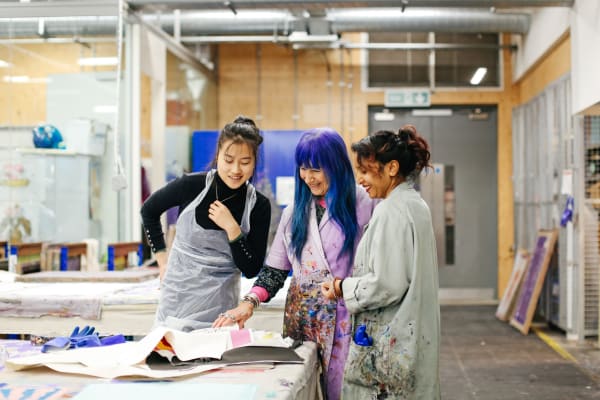
Mei Zhang (Study Abroad Student), Natalie Gibson (Tutor) and Rita Kumari (Specialist Print and Dye Technician and Associate Lecturer), 2013, Study Abroad, UAL | Photograph: Alys Tomlinson
Working at UAL
Find job opportunities at UAL
Everyone's identity matters
UAL is home to a diverse body of almost 23,000 students from 130 countries. We are proud of our international student and staff community and we are committed to ensuring that the University offers an inclusive and supportive environment for everyone.
-
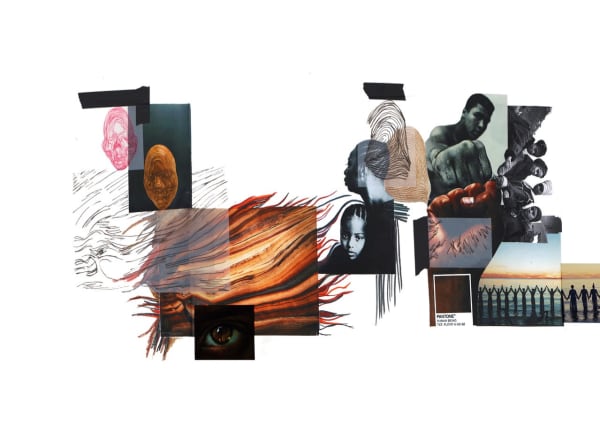
Petra Raissa Nogueira, '[Black is] light', 2021, BA Fashion Design and Development, London College of Fashion,UAL.
Anti-racism strategy
We are working together to make UAL an anti-racist University. Learn more about our plans and objectives.
-
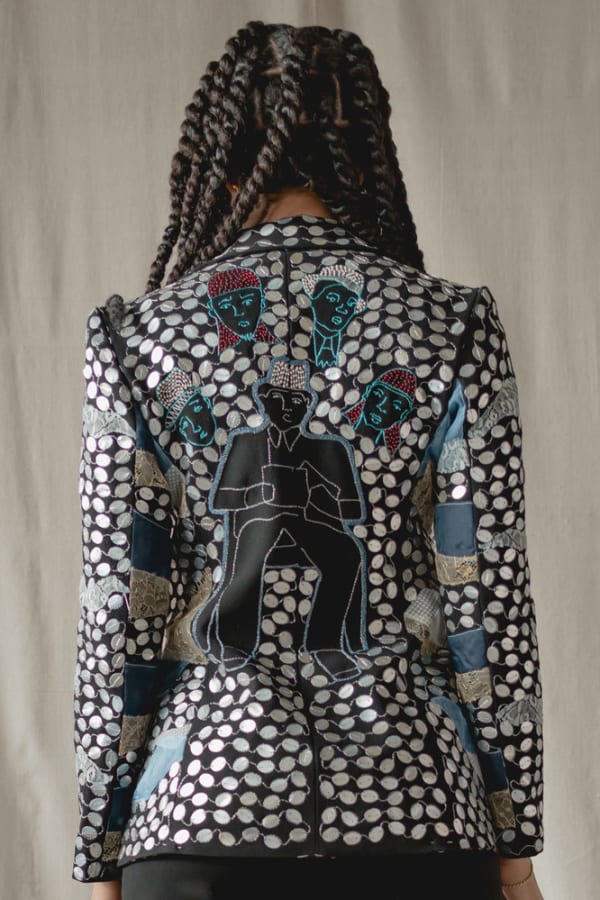
Angelica Ellis, 2021 BA Fashion Print, Central Saint Martins, UAL | Photographer: Maria Maleh
Equality, diversity and inclusion
Learn how UAL creates and supports staff and student diversity. Find groups and forums you can be involved with.
-
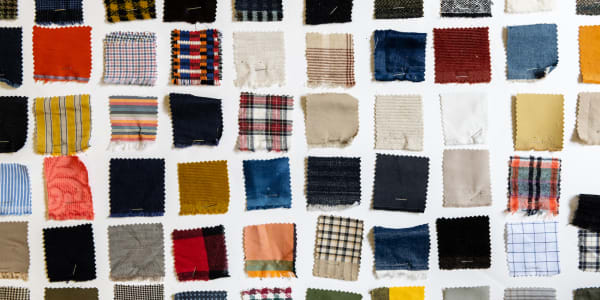
Collection of fabric samples at London College of Fashion | Photograph: Ana Blumenkron
Ethnic Representation Index
See how we're reviewing the progress made by universities in England to become anti-racist institutions.
How we spend our money
UAL reinvests all of its money to support students with funds put into building development, facilities and course progression. Find out more about how we spend our money and what happens to any surplus.
UAL stories
-

Image Credit: British Council 2026 University of the Arts London announces 4 fellows selected for British Council Venice Biennale Fellowship 2026
4 UAL students have been selected for the 2026 British Council Venice Fellowships Programme at the 61st International Art Exhibition. Representing LCC, Central Saint Martins and the Decolonising Arts Institute, they will support the British Pavilion
-

Professor Rathna Ramanathan. Photo courtesy of Global Deans Forum. Professor Rathna Ramanathan, Provost of Central Saint Martins, appointed to Creative UK Council
Professor Rathna Ramanathan, Provost of Central Saint Martins and UAL Executive Dean for Global Affairs, has been appointed as a new member of Creative UK’s Council, a body representing the full breadth of the cultural and creative industries
-
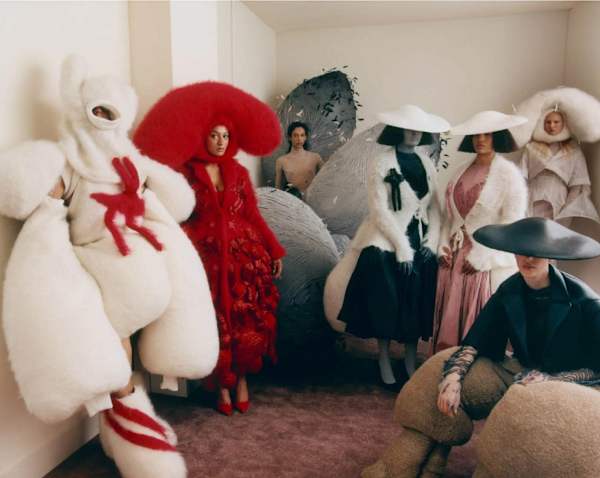
Myah Hasbany, 2025 BA (Hons) Fashion Design: Communication, Central Saint Martins, UAL UAL leads the world in undergraduate creative education for the 8th year running
For the eighth consecutive year, University of the Arts London is the highest-ranked undergraduate arts and design educator in the world.
-
Dr Sam Mejias appointed Provost of London College of Communication and Executive Dean for Impact and Innovation
Dr Sam Mejias appointed Provost of London College of Communication and Executive Dean for Impact and Innovation