Subcultures Interest Group: Kevin Quinn Interviews Russ Bestley
- Written byPost-Grad Community
- Published date 26 September 2023
Share story
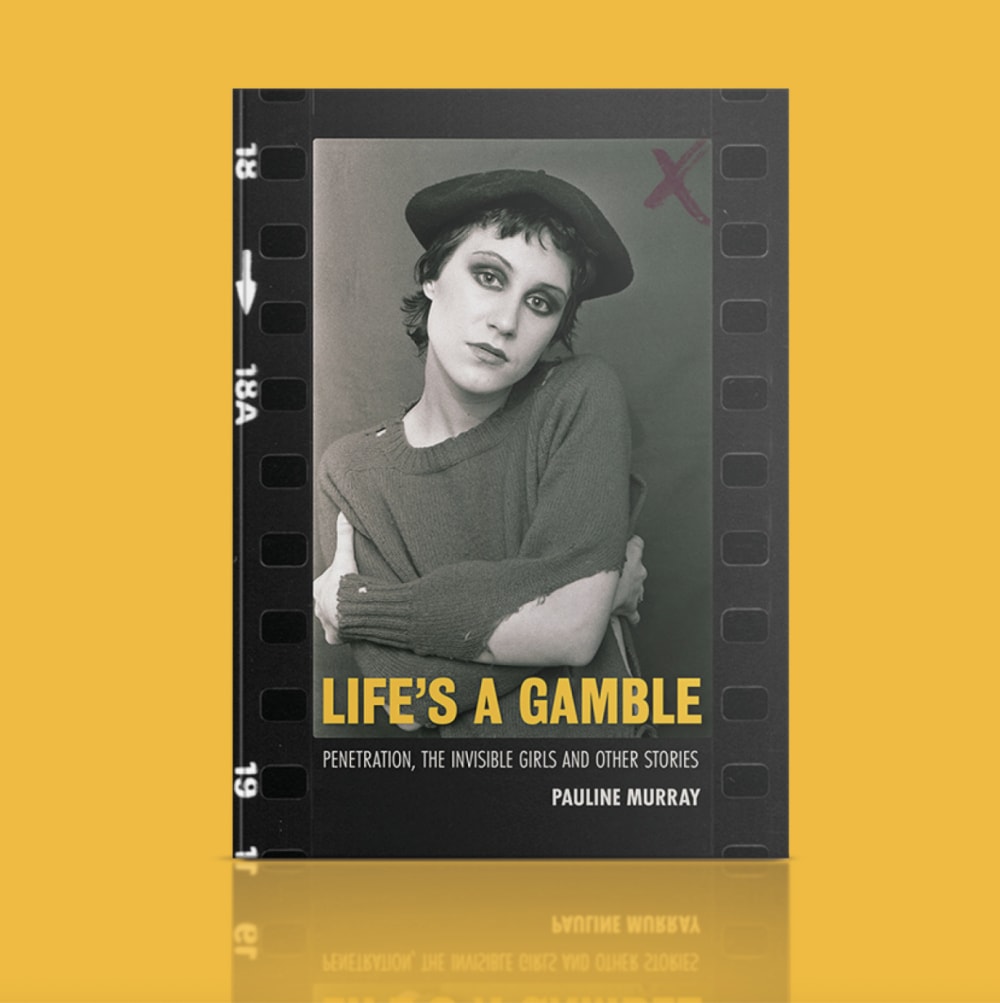
LCC’s Reader in Graphic Design & Subcultures Russ Bestley worked with singer-songwriter Pauline Murray on her soon to be published autobiography ‘Life’s a Gamble,’.
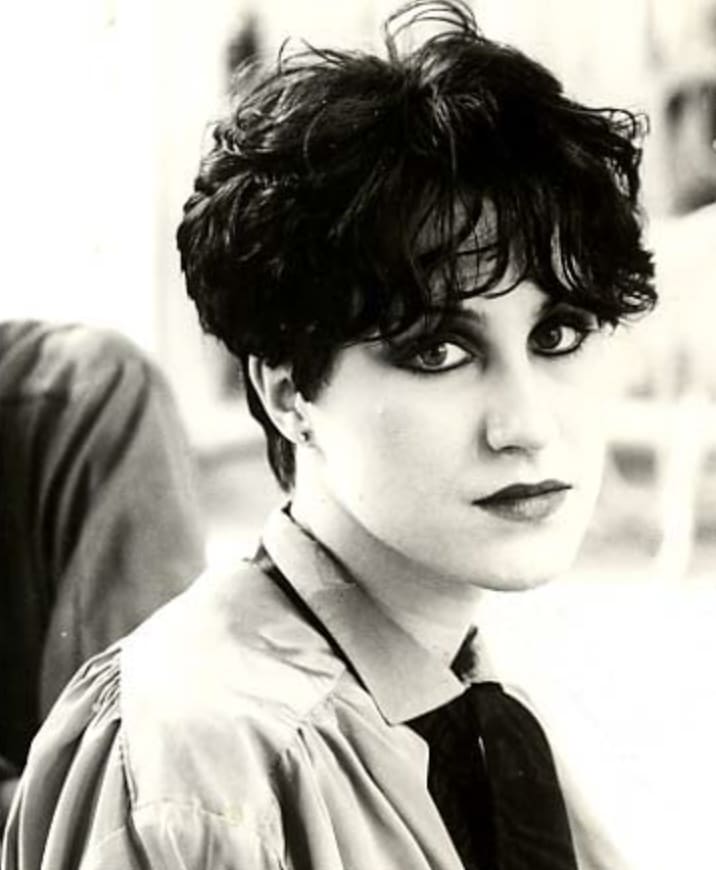
The autobiography, which Russ also art directed and designed, recounts Murray’s journey from a small mining village in northeast England, through to gaining national recognition as the frontwoman of her band, Penetration, and how she became a key member of the punk movement. She went on to work with producer Martin Hannett and a group of legendary Manchester post-punk musicians for her subsequent project, Pauline Murray and the Invisible Girls.
As part of a solo acoustic tour with readings from the book, Q&A and signings starting from next week, Russ will host the sessions in Bristol (15/9 Rough Trade) and Portsmouth (18/9 Wedgewood Rooms), while a London event (17/9 Stereo) will be hosted by Gaye Black, formerly of punk group The Adverts.
Russ will also join Pauline Murray at the Louder Than Words book festival in Manchester 10-12 November.
Audrey Golden of Louder Than War has also written a lovely review.
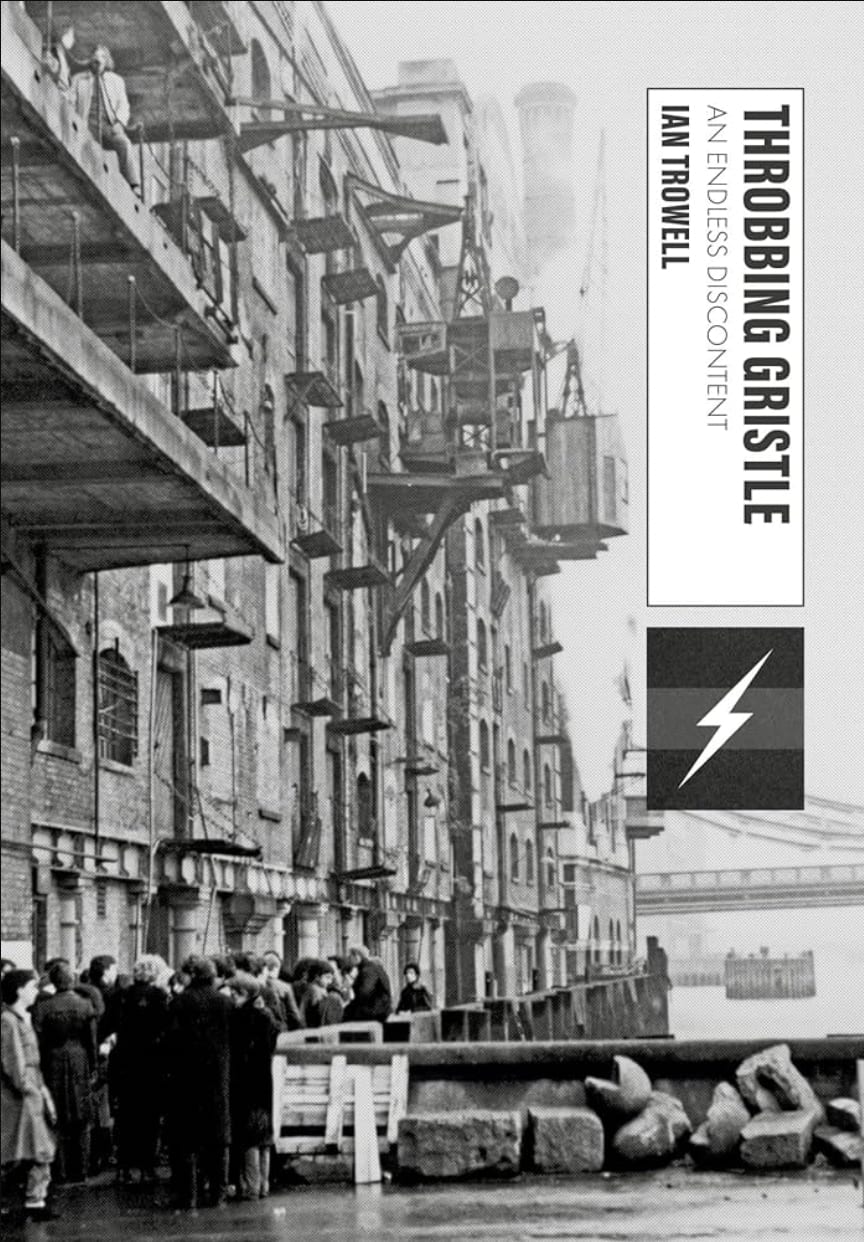
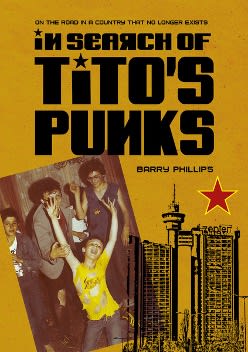
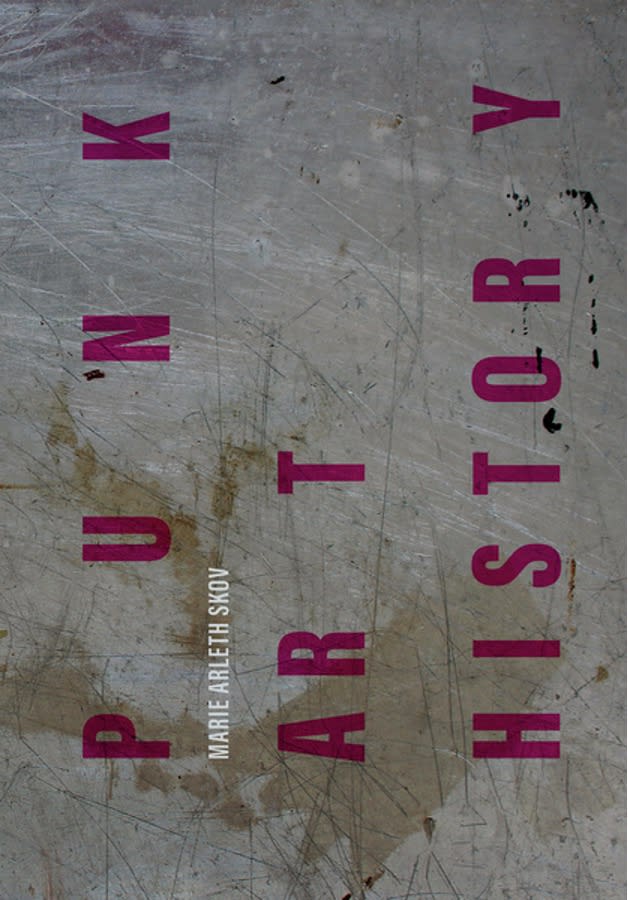
As series editor and art director/designer of the Global Punk book series published by Intellect Books, Russ will also be discussing various publications from the series, interviewing Ian Trowell about his new book on post-punk, industrial music pioneers Throbbing Gristle, and promoting Marie Arleth Skov’s ‘Punk Art History’ and Barry Phillips’ ‘In Search of Tito’s Punks’.
Interview with Russ Bestley
Who are you?
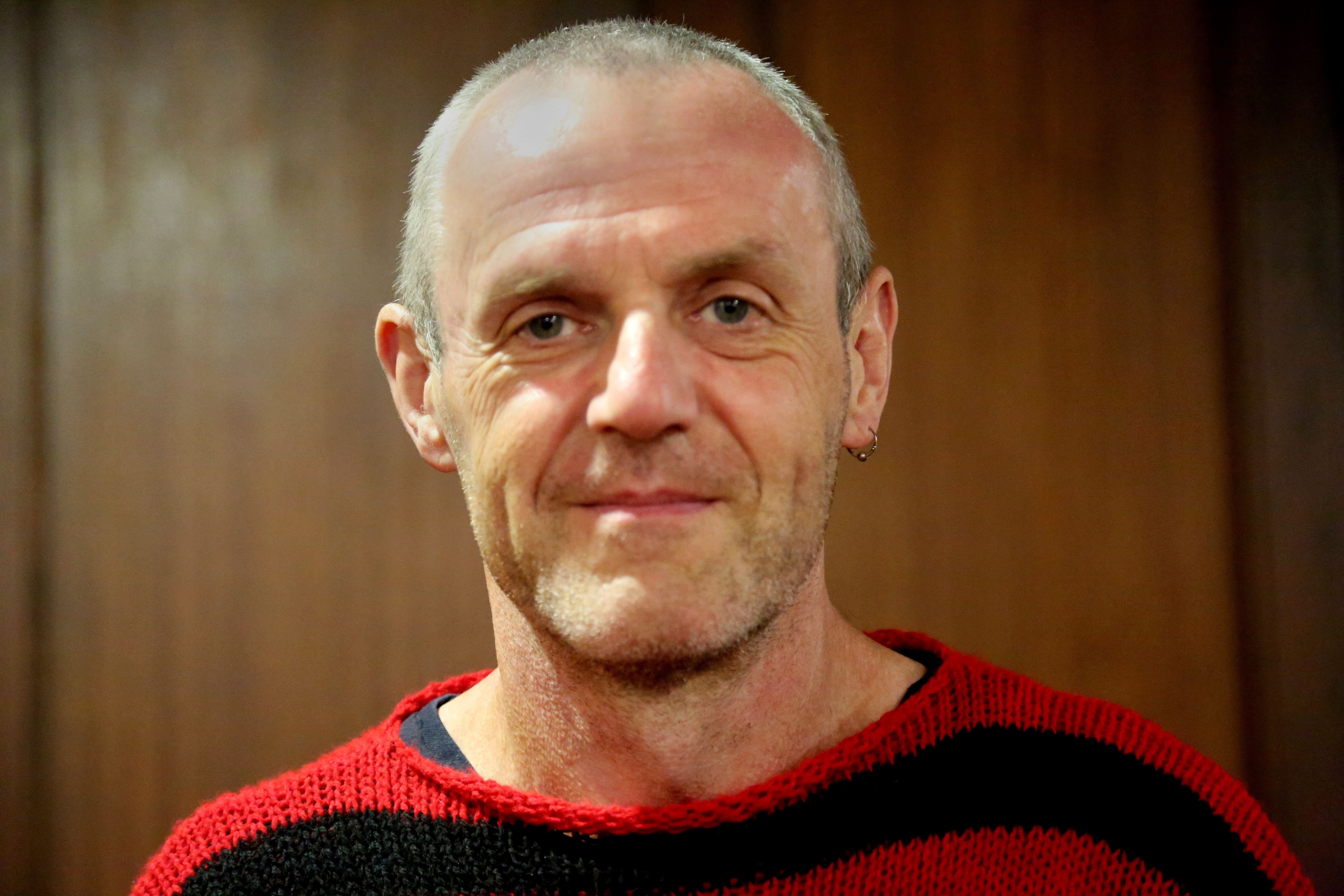
I’m Reader in Graphic Design & Subcultures at LCC. I specialise in research into music based subcultures, particularly focusing on their visual communication methods and practices, from record covers to posters, flyers and visual identities. My main focus is on punk and post-punk, but I have a strong interest in a much wider variety of scenes, subcultures and their related styles.
How did you get involved with Pauline’s book?
I’ve known Pauline for quite a few years. I was a big fan of Penetration and her subsequent group, Pauline Murray and the Invisible Girls, in the late 1970s and early 1980s. By chance, her guitarist Paul Harvey (who is also a graphic designer and a notable Stuckist painter) interviewed me for his PhD on art, authenticity and provincial punk in the early 2000s and I got to meet Pauline and the rest of the band from there. Paul and I had talked to Pauline about writing an autobiography several years ago – she was a notable figure in the early UK punk scene and her story deserved to be told. I managed to set up a meeting with a publisher around three years ago and it snowballed from there.
In what – or how many – capacities have you been involved?
Initially, I talked to Pauline several times and spent time with her going through old diaries, scrapbooks and boxes of posters, flyers, photographs and other ephemera spanning more than 40 years of her career. I also offered feedback and advice on the manuscript as it developed over a two year period. Pauline and Paul were keen for me to art direct and design the book, rather than commission someone external to the project, so I worked to pull together a large, hardback, full colour book with more than 150 images. I designed and typeset the book and did all pre-press production work.
What makes this more than 'just another punk book'?
It’s a fascinating story, kind of rags to riches to rags again and a lot of persistence and perseverance. Pauline was one of a small number of high-profile women in the early UK punk scene – she appeared on television, on the covers of all the major music papers, in fanzines and the style press (even Italian Vogue!). While this is a very personal story, it is also important to acknowledge the key contribution that women like Pauline made to the emerging punk scene and to understand the wider context of the music industry at that point in time.
Your role as Series Editor on the Global Punk series, you have several new books out and upcoming. Can you elaborate?
I am joint Series Editor (and commissioning editor) for the Global Punk book series, while I am also art director and editorial designer for all the books that we publish. We have recently published two very exciting new titles. Barry Phillips’ In Search of Tito’s Punks is getting some very positive reviews – it is an oral history of punk in the former Yugoslavia, written as a travelogue by an author who discovered by chance around ten years ago that a song he had recorded with a teenage punk band in Gloucester in 1980 had become a big underground hit in Yugoslavia and was a major influence on the scene there.
Meanwhile, Marie Arleth Skov’s Punk Art History examines the punk movement of the 1970s to early 1980s as an art movement through archive research, interviews, and art historical analysis. I have just finished final designs for Ian Trowell’s Throbbing Gristle: An Endless Discontent, which situates the British band Throbbing Gristle as both a lens and critical tool for researchers interested in England during the punk years and the Winter of Discontent.
Interview by Kevin Quinn.
Russ is also a co-founder of the UAL Subcultures Interest Group (SIG). SIG brings together PhD supervisors, students and graduates whose research centres on youth subcultures related to music, fashion, style and politics.
The SIG also welcomes contributions from UAL BA and MA students, along with guests from other institutions and independent scholars. The group’s interests span a wide range of subcultural practices, from early be-bop jazz to glam rock, punk, post-punk, the music press, club cultures, acid house, black metal, skateboarding, contemporary pop and digital online communities.
This is a genuinely multi-disciplinary group, reflecting a range of intersecting fields including history, cultural studies, sociology, fashion, musicology and the creative arts. The range of methodologies utilised within the group includes ethnography, subcultural theory, semiotics and discourse theory along with practice-based and practice-led research employing painting, photography, graphic design, journalism, sound arts, film, creative writing and illustration.
The Subcultures Interest Group meets regularly throughout the academic year, with reading groups centred on new and forthcoming publications along with seminars and workshops with a focus on music, subcultures and style. The group also works closely with the Museum of Youth Culture and Doc’nRoll Film Festivals, staging screenings of documentary films relating to music and youth cultures at UAL colleges, and produces a regular free newspaper publication, SIG News.
Related Links
About UAL Post-Grad Community Interest Groups
A growing number of issue specific, cross-disciplinary interest groups led by postgraduate students and academics are supported by us.
These groups connect creatives with shared research interests across different subject areas.
About UAL Post-Grad Community
UAL is home to more than 2,400 postgraduate students working across the fields of art, design, screen, communication, fashion, media and performance. Within our six world-renowned colleges, we aim to form a creative network of artists, designers and innovators.
Post-Grad Community is an inclusive platform for UAL postgraduate students to share work, find opportunities and connect with other creatives within the University and beyond.