Designing for Impact - Class 13
- Written byAoife O'Connor
- Published date 25 February 2026
Share story

When your message is difficult to hear, how you present it matters.
At Class 13, we’re an education equity charity based in Brixton. For the past two years, we’ve worked with UAL Arts Temps to bring in brilliant creative talent when it matters most: when your message is difficult to hear. We work with schools to transform how they relate to children, families, and staff. Our core philosophy is simple: fix the system, not the child. That means challenging the patterns of deficit thinking that run through education, the tendency to locate problems inside young people rather than examining the systems that fail them.
It's not a comfortable conversation. Teachers and leaders are being asked to sit with the possibility that the systems they work within, and their own practices, may have caused harm to young people. That's a lot to hold. And it means when someone first encounters our work, they're already primed to resist. Understandably so.
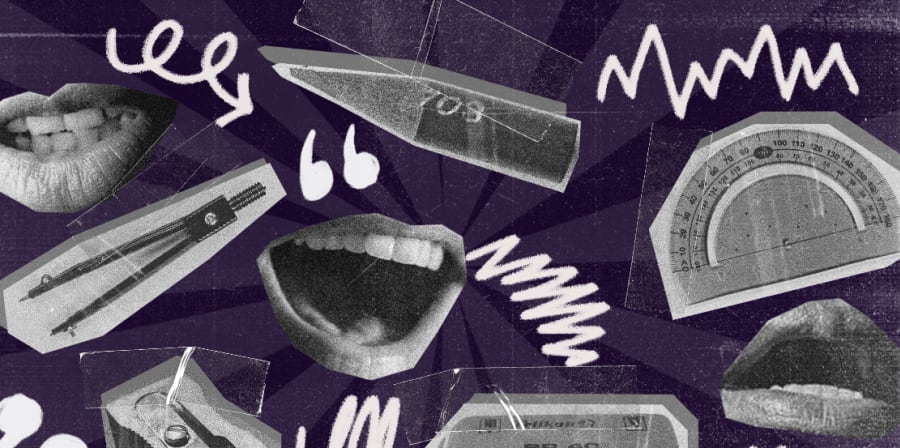
This is where creative talent becomes essential, not a nice-to-have. Good design doesn’t soften the message. It holds people in the room long enough to hear it.
Working with Ivy Watts through UAL Arts Temps has transformed how people engage with us. Our visual identity signals that we're serious, grounded, and credible before anyone reads a word. It gives people permission to stay with us long enough to hear what we're actually saying. Without that professional presence, the resistance wins at the first hurdle. People find a reason to dismiss us before they've really listened.
Our report, An Argument for Possibility, is a 70-page challenge to how schools operate. It draws on critical pedagogy, names the harm that current systems cause, and offers a framework for transformation. It asks readers to sit with discomfort. But people do sit with it, because the design invites them in. That is not an accident. The report was made possible by a team of designers sourced through UAL Arts Temps. Because they took the time to understand us as an organisation, they could shortlist creatives who got the politics and the purpose, not just the brief. Working with a wider design team meant the report landed with the seriousness it demands. The illustrations, the layout, the care visible on every page tell readers: this is worth your time. We've had educators describe it as something they keep returning to, not just reading once and filing away. The design isn't separate from the message. It's part of how the message lands.
The same thinking shapes our training materials. We run programmes for educators (and anyone working with young people) on equity, deficit thinking, and systemic harm. The materials Ivy creates help participants engage with those ideas actively, not passively. They're designed to travel back into classrooms, to stay with teachers as they try to embed what they've learned into their practice. That's not decoration. That's function.
Our blog graphics draw people into our network. Teachers scrolling through social media stop because something catches their eye. Then they read. Then they subscribe. Then they book training. Then they start having different conversations in their schools. The creative work isn't separate from the social impact. It's how the social impact happens.
Third sector organisations are often told to focus on "core work" and treat communications as an afterthought, something to squeeze into whatever budget is left. But if your message matters, how you communicate it matters too. For us, investing in creative talent isn't a luxury. It's how we get heard. It's how we reach the educators who are ready to do things differently.
Written by Aoife O'Connor - Educator at Class 13