Story Boards and Mood Boards for Art Direction Online Short Course
Course description
Course overview
Strengthen your visual thinking and creative process with mood boards and story boards for art direction with this self-paced short course which guides you through the essential tools art directors use to shape ideas, communicate vision, and bring concepts to life.
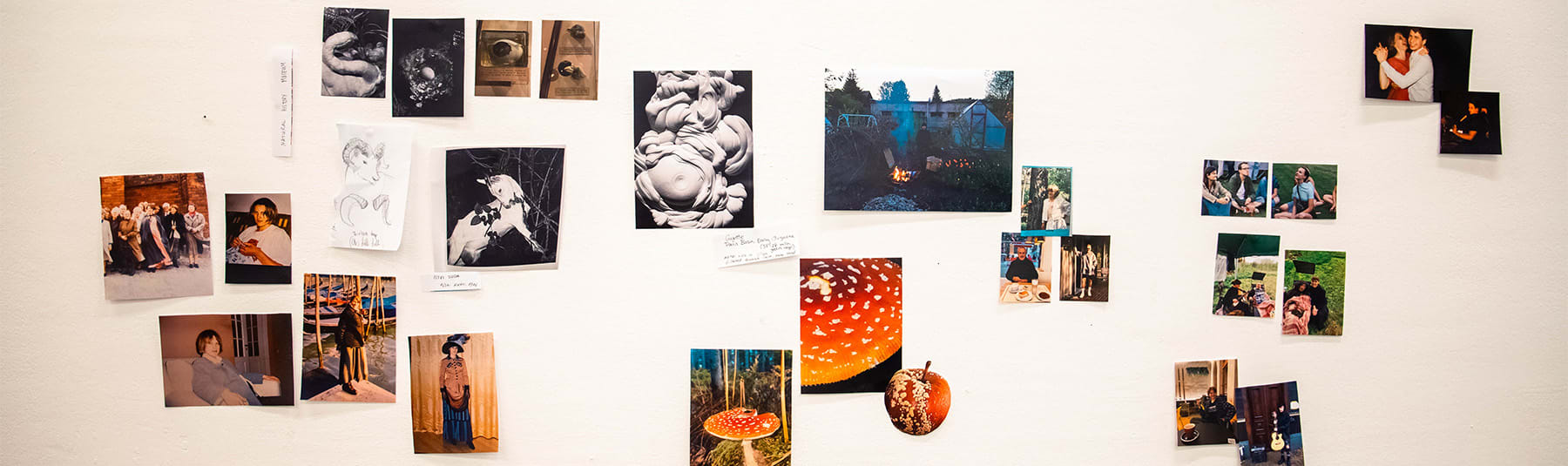
Through a combination of lectures and coursework submissions, you’ll learn how to build compelling mood boards that define the tone, style, atmosphere, and emotion of your project and how to translate those ideas into clear, purposeful story boards. Through expert insights, hands-on techniques, and real-world case studies, you’ll explore how colour, texture, typography, imagery, and composition work together to create meaning and impact.
This course also focuses on collaboration, showing you how to use mood boards and story boards as shared visual languages when working with creative teams, clients, and stakeholders so you can communicate your ideas clearly. By the end, you’ll be able to bridge the gap between concept and execution, using visual tools in a way that can elevate your creative process and strengthen your work as an art director.
You’ll have the opportunity to receive feedback on your work from an industry professional as part of the course and gain practical insight into industry expectations and standards.
As a guide, the total commitment for this course is approximately 3 hours 40 minutes. This includes core materials and creative tasks.
The course work consists of 4 optional assignments, but the students need to submit at least 1 to complete the course.
Your personal learning time may vary depending on your pace, engagement, and how deeply you explore the materials.
Who this course is for
This self-paced short course is suitable for both emerging creatives or experienced practitioners looking to refine their processes for a specific project.
Key information
- Mood boarding basics: understanding the purpose and process of creating mood boards
- Story boarding fundamentals: visual storytelling through composition, framing, and sequencing
- Multi-sensory approach: using colour, texture, typography, and imagery to trigger ideas and emotions
- Creative team collaboration: working effectively with teams to develop visual presentations
- Visual communication: bridging the gap between concept and execution with mood and story boards
- Practical applications: applying concepts through real-world case studies
- Create effective mood boards that visually communicate ideas, tones, and styles
- Identify the differences and complementary applications of mood boards and story boards
- Develop story boards that effectively combine images and text to tell a visual story
- Use colour, light, composition, and sequencing to influence the emotional and narrative tone of a story board
- Apply a multi-sensory approach in mood boarding, incorporating colour, texture, typography, and imagery
- Explore how to work collaboratively with creative teams to develop and present visual concepts
- Analyse and apply professional case studies to their own creative projects
- Receive a digital badge and certificate of attendance
- Notebook or sketchbook for brainstorming, sketching ideas, and taking notes
- Basic drawing tools (optional) such as pencils, markers, fine liners for sketching story boards
- Optional visual/graphic software and online tools such as Canva, Pinterest, Milanot, Adobe Express, Miro, Photoshop/Illustrator
Book a course
Loading