The magic is in the details: A visit to Kew Gardens
- Written byElif Cim
- Published date 12 May 2026
Discover Ambassador Elif Cim's report of Post-Grad Community 's visit to Kew Gardens on Earth Day.
Our visit to Kew Gardens offered a pause from the pace of the city and a chance to look more closely at the natural world. As a group of postgraduate students, the day unfolded somewhere between a shared outing and a more personal experience, shaped by how each of us chose to engage with the space.
We explored several areas across the gardens, including the Palm House, the Princess of Wales Conservatory, and the Kitchen Garden. Moving between these environments created a varied experience, from dense, humid interiors to more open and structured outdoor spaces, each offering a different way of encountering plant life.
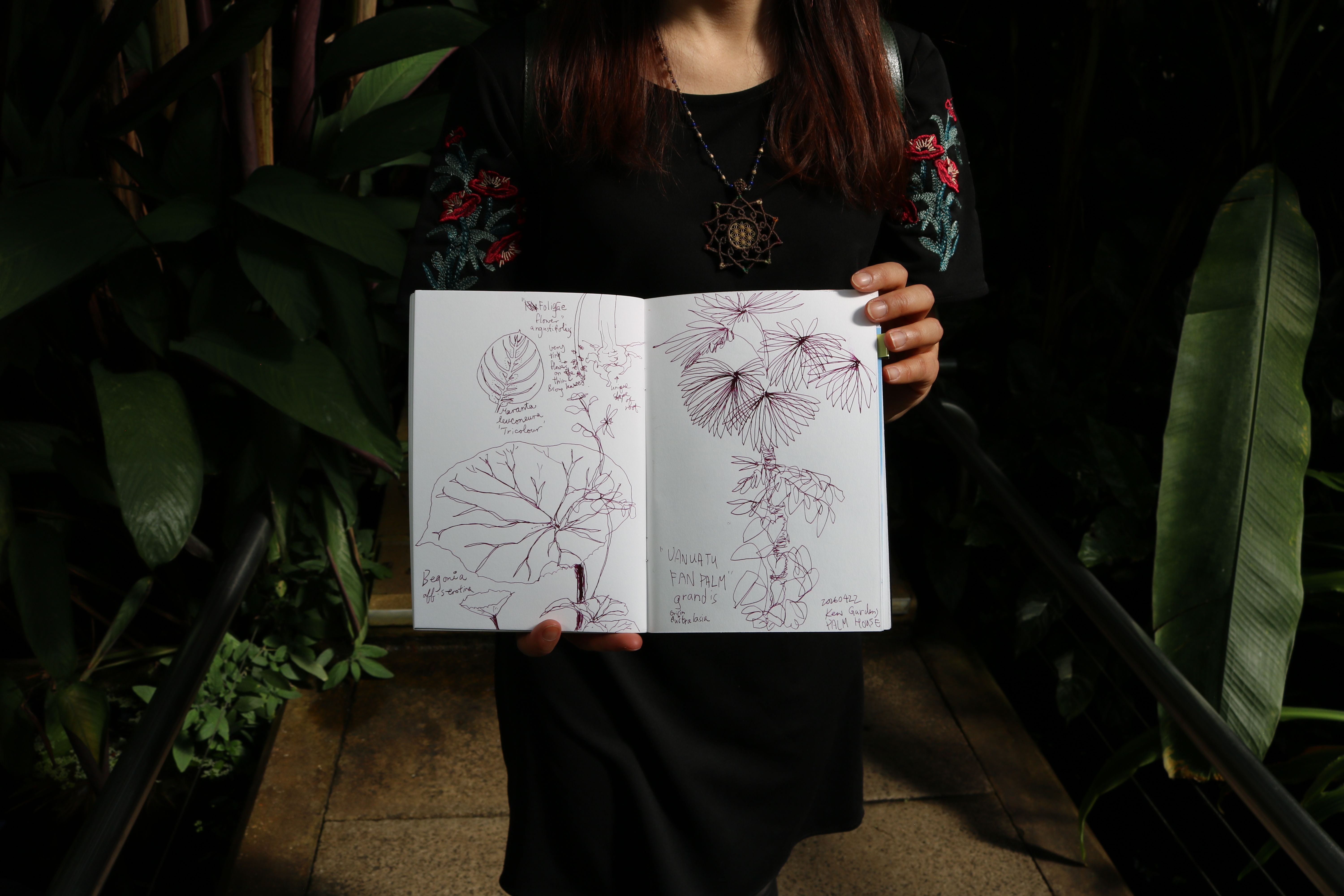
Inside the Palm House, the heat and humidity were immediate and slightly disorienting at first. It encouraged a slower pace. Instead of taking in the scale of the space, my attention shifted towards smaller details, the texture of leaves, the branching patterns of veins, and the way light moved across surfaces. Looking became less about seeing everything and more about staying with one thing at a time.
Across the group, people responded in their own ways. Some found a place to sit and began sketching, translating what they saw through drawing. Others used photography to focus in on particular details, framing leaves, colours, and textures through a lens. For some, the gardens became a space for conversation, a place to walk and talk, reflecting together as much as observing. These different approaches existed alongside one another, creating a quiet sense of shared experience without requiring everyone to engage in the same way.
Spending time with these smaller details brought a different kind of awareness. The repetition found in nature, in the structure of leaves or the rhythm of growth, echoed something familiar in daily life. It suggested that attention, like wellbeing, is often built through small, repeated acts, whether that takes the form of making, moving, or simply pausing. As our visit coincided with Earth Day, these observations took on a broader significance. Beyond the individual aesthetic of a leaf or a vine, we were reminded of the fragile interconnectedness of these ecosystems. The gardens served as a living classroom for environmental learning, grounding abstract climate concerns in the tangible, physical reality of the plant life we are working to protect.
The Princess of Wales Conservatory offered a noticeable shift. Moving between its climate zones felt like passing through distinct atmospheres, from dry, muted desert environments to more saturated, humid tropical spaces. Each section carried its own tone, not only visually but physically, creating subtle changes in how the space was experienced.
Throughout the day, these different ways of engaging, drawing, photographing, walking, or talking, shaped how the gardens were understood. No single approach felt more valid than another. Instead, the experience seemed to open up multiple ways of paying attention.
Overall, the visit highlighted the relationship between observation, creativity, and wellbeing in a way that felt both simple and meaningful. It offered time to slow down, to notice more, and to share that process with others. What stayed with me most was not the scale of the gardens, but the reminder that meaning often sits in the details, waiting to be noticed.
Discover photos of the event below
-
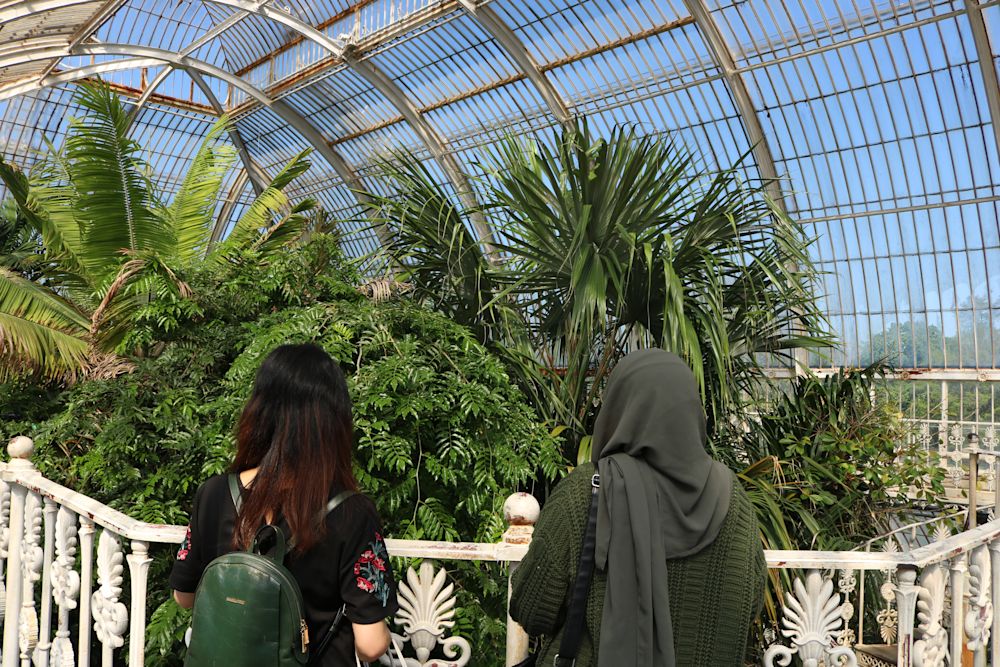
Kew Gardens, Post-Grad Community, 2026, UAL | Photograph: Elif Cim
-
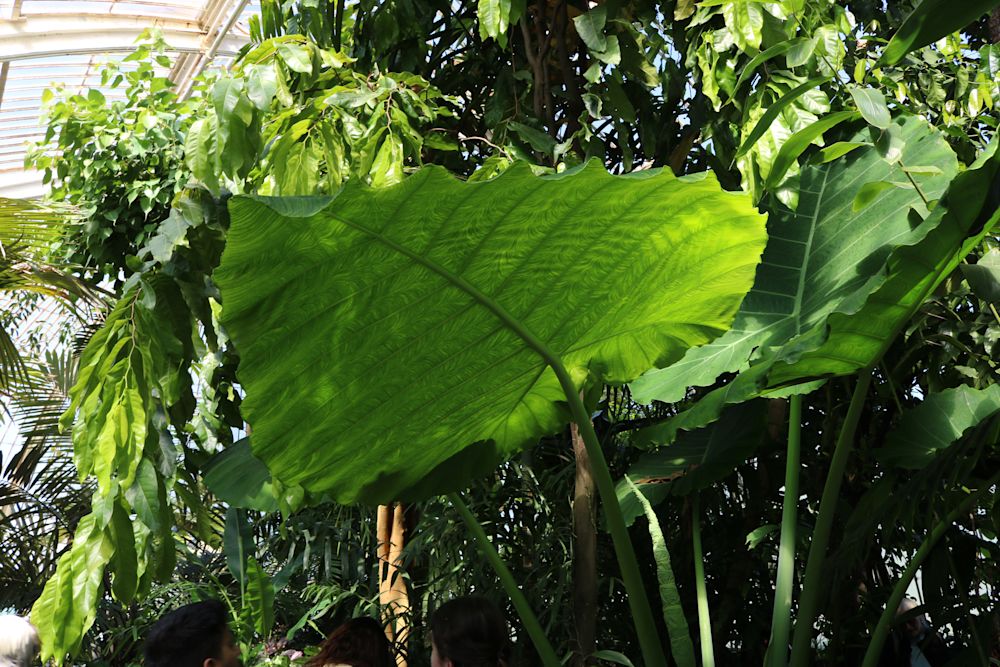
Kew Gardens, Post-Grad Community, 2026, UAL | Photograph: Elif Cim
-
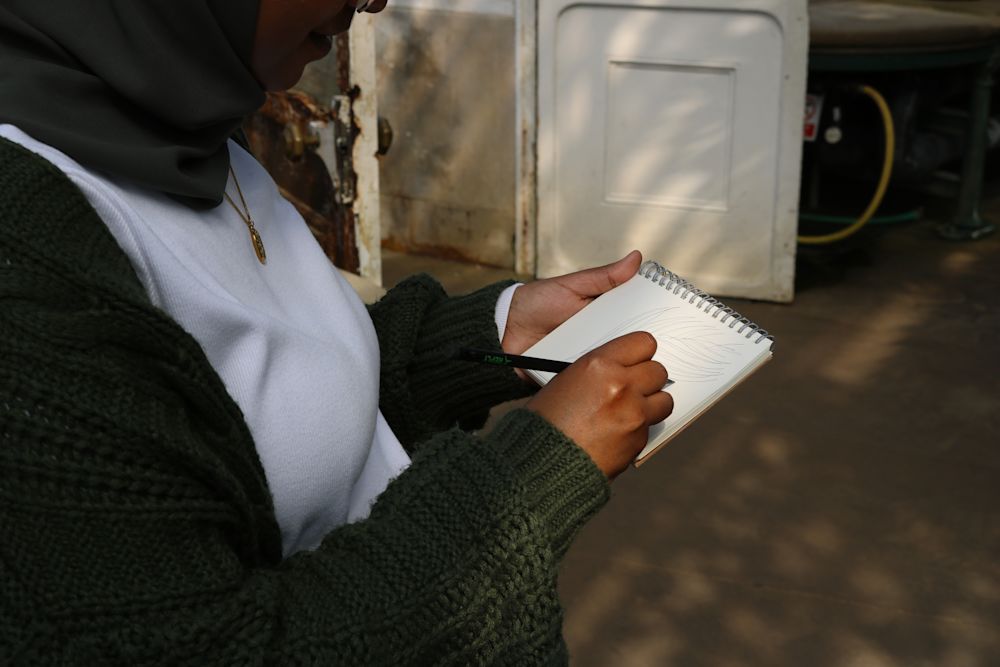
Kew Gardens, Post-Grad Community, 2026, UAL | Photograph: Elif Cim
-
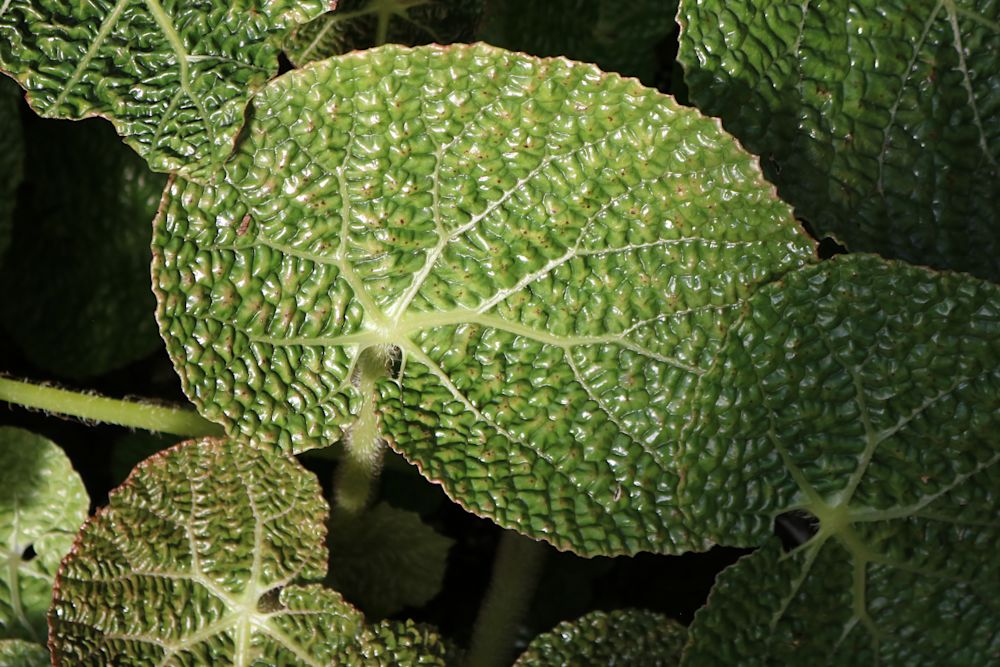
Kew Gardens, Post-Grad Community, 2026, UAL | Photograph: Elif Cim