Windrush Day 2024
- Written byStudent Communications
- Published date 21 June 2024
Share story
On 22 June 1948, the Empire Windrush ship docked in Tilbury, Essex. On board were the first group of Commonwealth citizens who responded to Britain’s call to help rebuild the mother country. Between 1948 and 1971, 500,000 people left their homes to settle in the UK. Many faced prejudice and unequal treatment that they still experience today.
Fast forward to 2017, when news began to break about people being wrongly detained, deported and denied legal rights. These people were British citizens, many from the ‘Windrush’ generation. As media coverage of these individuals’ stories grew, the affair became known as the ‘Windrush Scandal’ and many MPs and prominent public voices lobbied the government over the issue. Their combined action culminated in 2018 with the announcement that the Home Office would commission a ‘Windrush Lessons Learned Review.’ In the same year, the Government announced the first Windrush Day to ‘recognise and honour the contribution of the Windrush Generation and their descendants and to keep their legacy alive for future generations, ensuring that we all celebrate the diversity of Britain's history’.
The BBC film Sitting in Limbo is based on the true story of Anthony Bryan who was affected by this event.
We have also curated some additional content and material for you to enjoy. Much of this content has been produced by or involves our own UAL community.
Explore
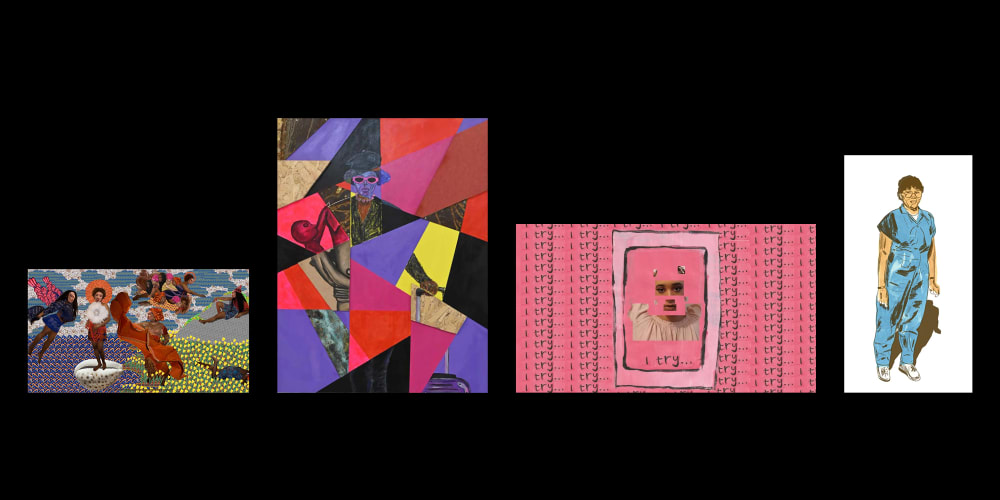
UAL has launched its Black Creatives Hub – an innovative online space dedicated to showcasing and celebrating the exceptional talents, achievements and contributions of our Black creative community.
This collection marks the launch of this new platform by highlighting the diverse talents of our Black students and alumni and commemorates the rightful pride of work from Black creatives. It demonstrates how the Black community draws from our rich history, culture and lived experiences to create exceptional art.
Check out our Celebrating Black Creatives UAL Showcase collection
Watch
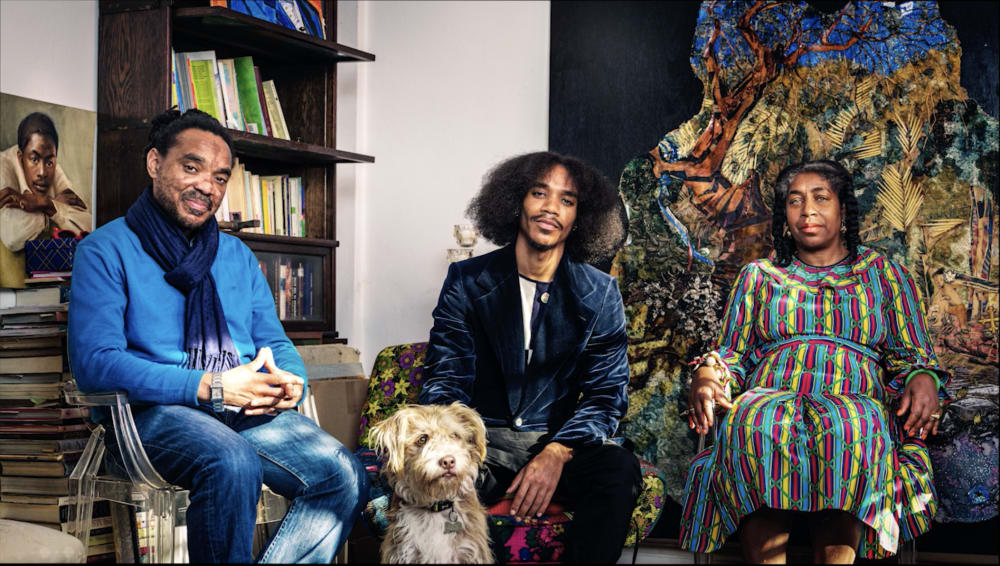
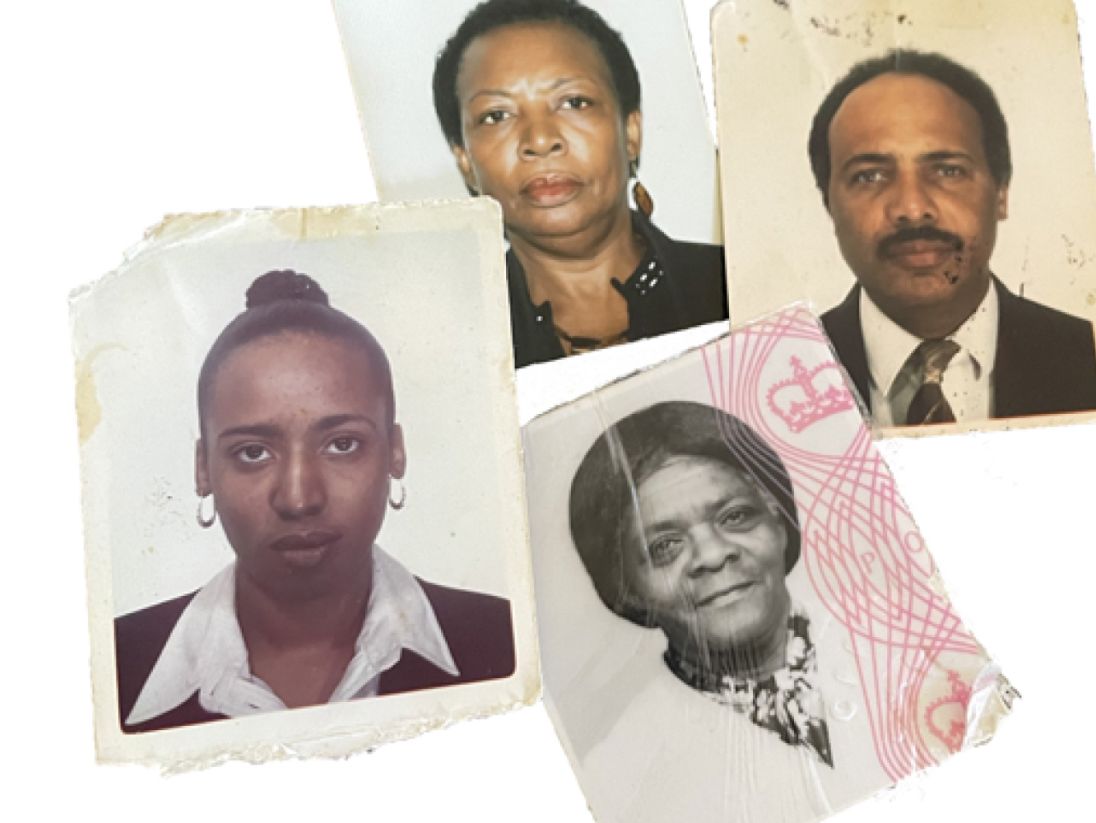
Windrush75: Forging Ahead is a documentary commissioned by London College of Communication (LCC), UAL lecturer Maureen Salmon to commemorate the 75th anniversary of Windrush and celebrate the Windrush generation and its descendants.
The documentary features 3 young London based creatives of Caribbean heritage speaking about their lives, artistic expressions and visions for the way ahead. Their thoughts are woven with the stories of their families' earlier generations, those who immigrated to the UK from the Caribbean. It
The Windrush75: Forging Ahead documentary will be screening at Ritzy Picture House in Brixton on Saturday 22 June and will also be available for online streaming from 23 - 30 June as part of the Windrush Caribbean Film Festival.

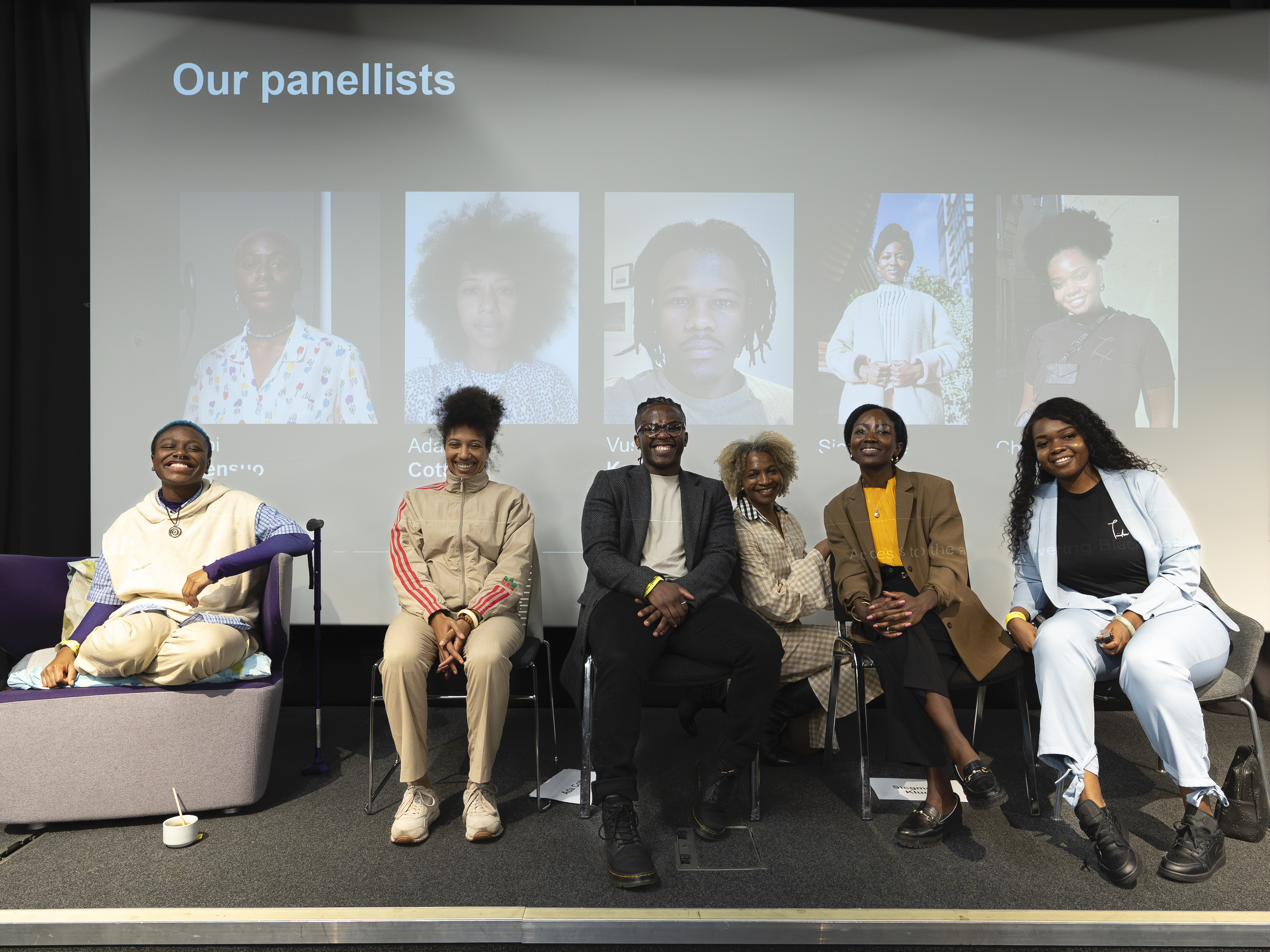
In 2020, Rotimi Akinsete interviewed Honorary Fellow and former UAL Chancellor, Kwame Kwei-Armah, Artistic Director at The Young Vic about his childhood experiences and growing up in Britain in the 1980s. Part of the Black Men on the Couch event series, this interview is one of many aiming to transform views about mental health, gender politics, and race by inviting special guests to respond to questions on the successes and the challenges in their lives.
Watch the full Black Men on the Couch event on YouTube
Discover
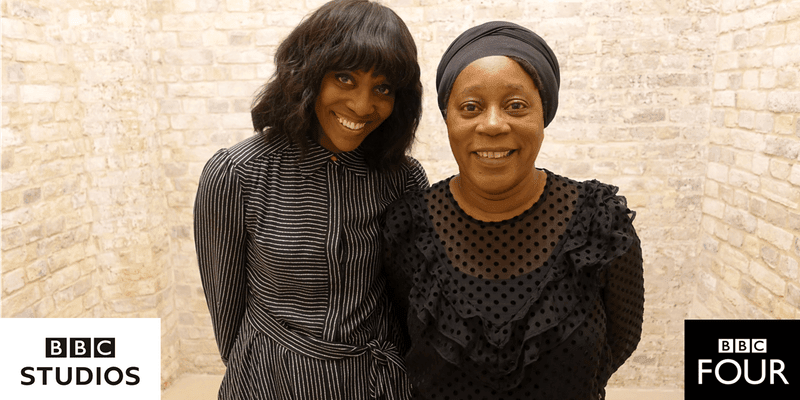
Delve into the highlights from the Black Artists & Modernism research project, where you can explore the understated connections and areas of contention between Black British artists’ practice and their art in relation to Modernism, led by artist and UAL academic Professor Sonia Boyce.
Read

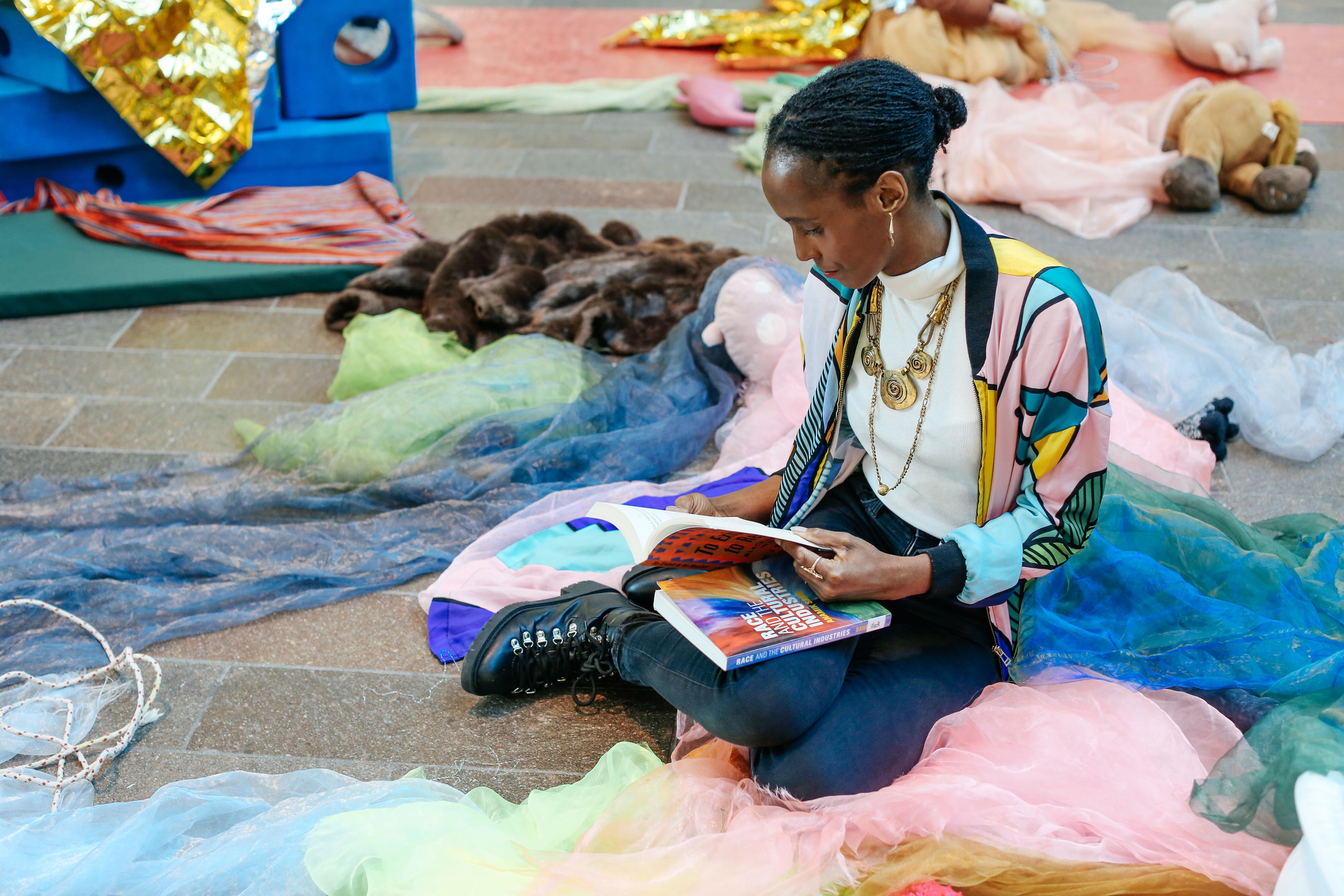
Join the Decolonising Narratives reading group, set up by Vanessa Ansa and Rahul Patel. The aim of the group is to explore and discuss some key texts on Black history, art and cultural discourses, anti-racist/anti-colonial struggles and decolonisation. Books on the programme included Why I’m no longer talking to white people about race, by Reni Eddo-Lodge, who incidentally, has become the first Black British author to take the overall No.1 spot in the UK’s official book charts.
Have you seen the Decolonising the Arts zines? They are part of an ongoing multi-form and multi-site initiative led by staff and students at UAL to interrogate pedagogic practice within the framework of decolonisation and breaking down structural inequalities. Some suggested reads include a piece by Lorraine Williams in Zine 2, page 10, entitled, Concerted Erasure of History of People of Colour, in it, Lorraine recounts how her mother taught her – and her primary school teacher - about Mary Seacole.
Listen

Decolonising the Arts Curriculum: Personal Narratives. Offering personal insights around race, bias, personal heritage and ‘otherness’, this podcast is a compendium of voices from participants and organisers of one of the Decolonising the Arts Curriculum exhibitions. The 5 featured artists are Maria Bendixen, Dr Jo Shah, Tobi Alexandre Falade, Siyan Zhang and Joanna Mamede who speak very openly about their personal experiences relating to the displays they presented at the CSM Library.
Do
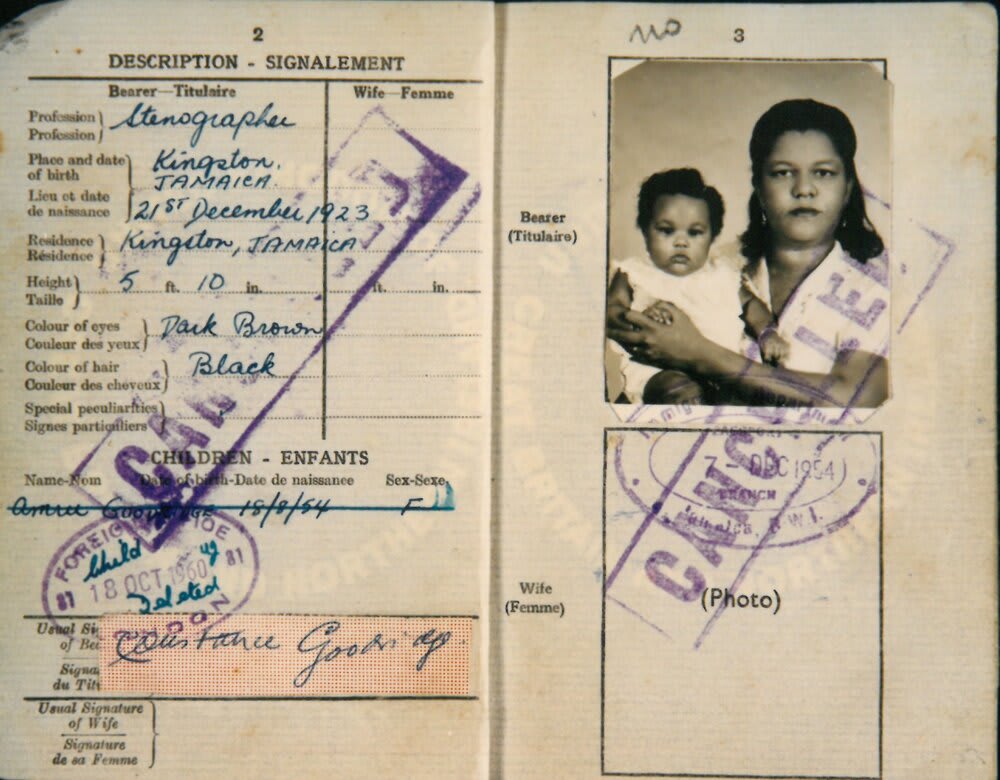
Finally, why not check out how the Windrush generation continues to influence fashion today.
We hope that you will take up some of these suggestions, or be inspired to look further, such as Black Cultural Archive's event's listing.
“I guess what’s changed over the years is black people have started to become more visible. You look at the work now and it’s about filling the gaps in history. There are the written histories, the taught histories and then there are the experienced histories, which you have to interpret and that’s possible when you’re an artist.” Lubaina Hamid, CBE, UAL Alumna.