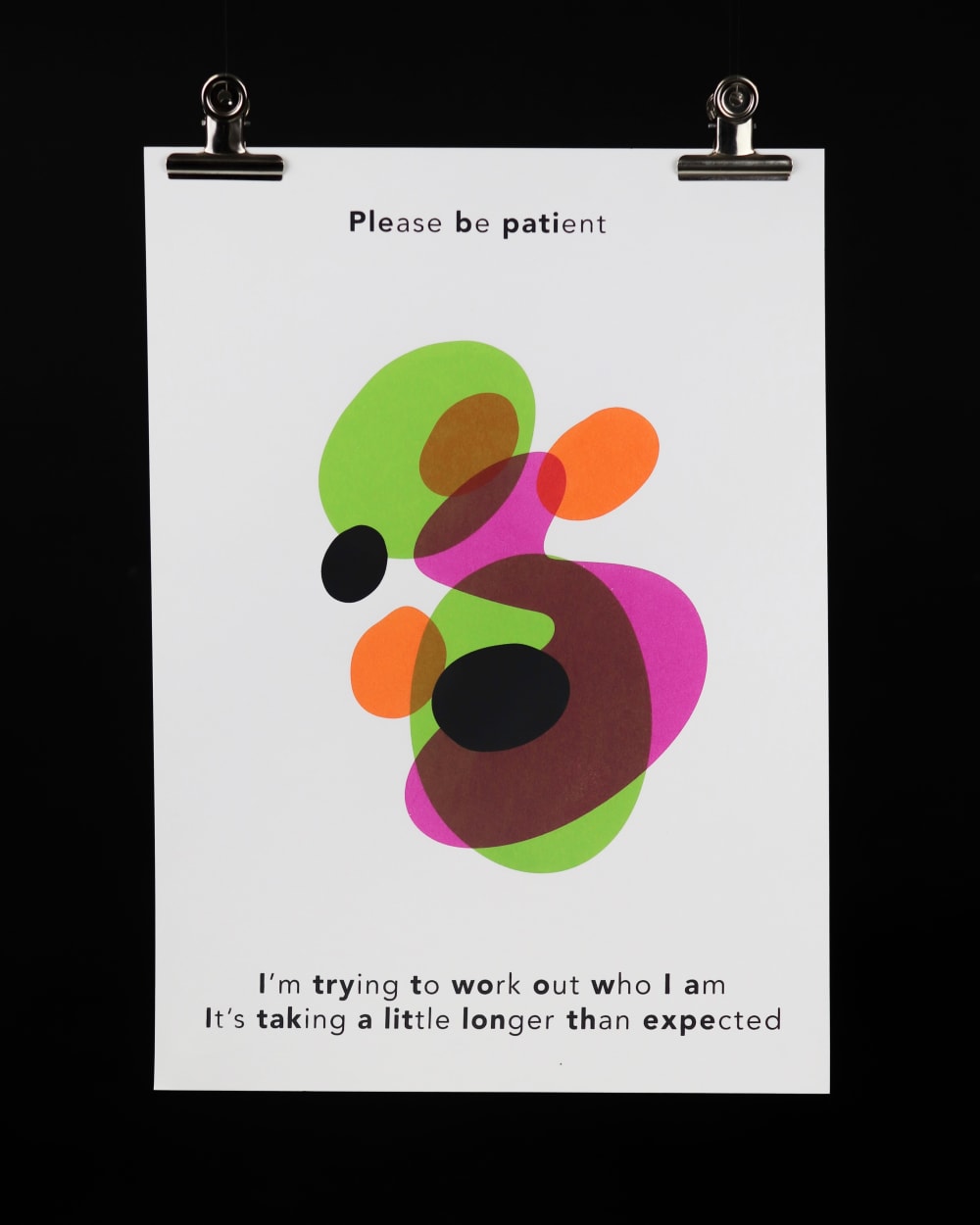
Disability History Month 2025: Rosie Wellman on facilitating safe spaces for people to be their authentic self
- Written byStudent Communications
- Published date 08 December 2025
Share story
Rosie Wellman, who graduated from BA (Hons) Graphic and Media Design at LCC earlier this year, spoke to us about how her experience as a late-diagnosed autistic woman influenced her final year project ‘Creative Conversations’.
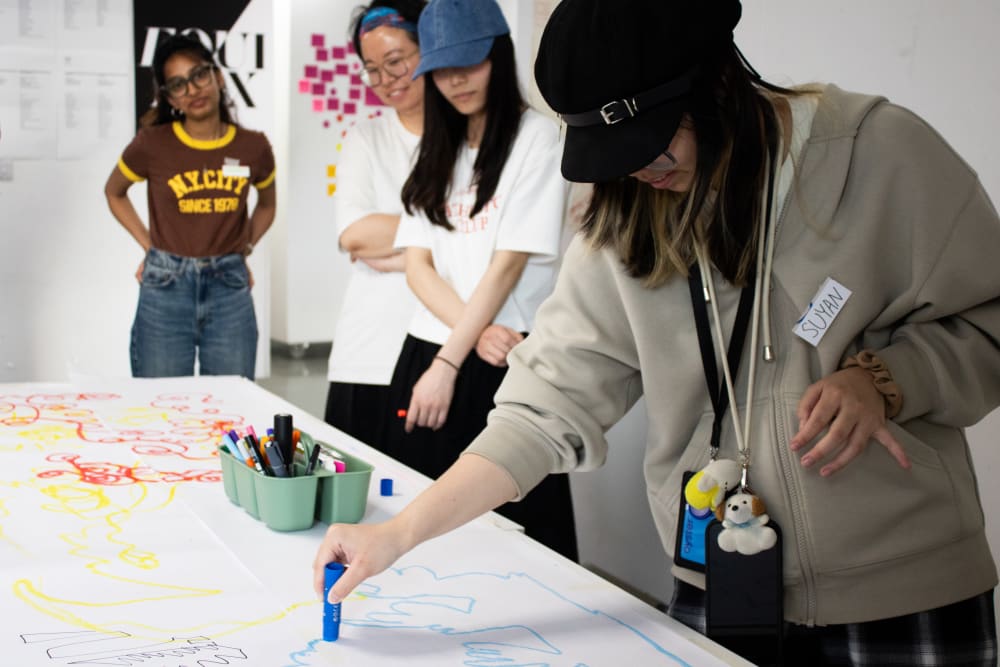
Creative Conversations was a pilot workshop looking at how mark-making (creating through various lines, textures and patterns) could not only be used as a mindfulness activity, but one that provided a ‘safe space’ for participants to be authentically themselves.
Hi Rosie! How would you describe your creative practice?
I studied fine art A level so have always been passionate about working with my hands as opposed to spending loads of time on a computer screen. Through my degree, I discovered that I really like working with people, which helped inspire Creative Conversations. I've come to the conclusion that I most find joy when I get to facilitate creativity being shared with other people face to face.
I'm still trying to discover more about myself and my practise, but I feel like facilitating in person, hands-on environments is something I want to continue.
How has your experience as an autistic individual influenced your work?
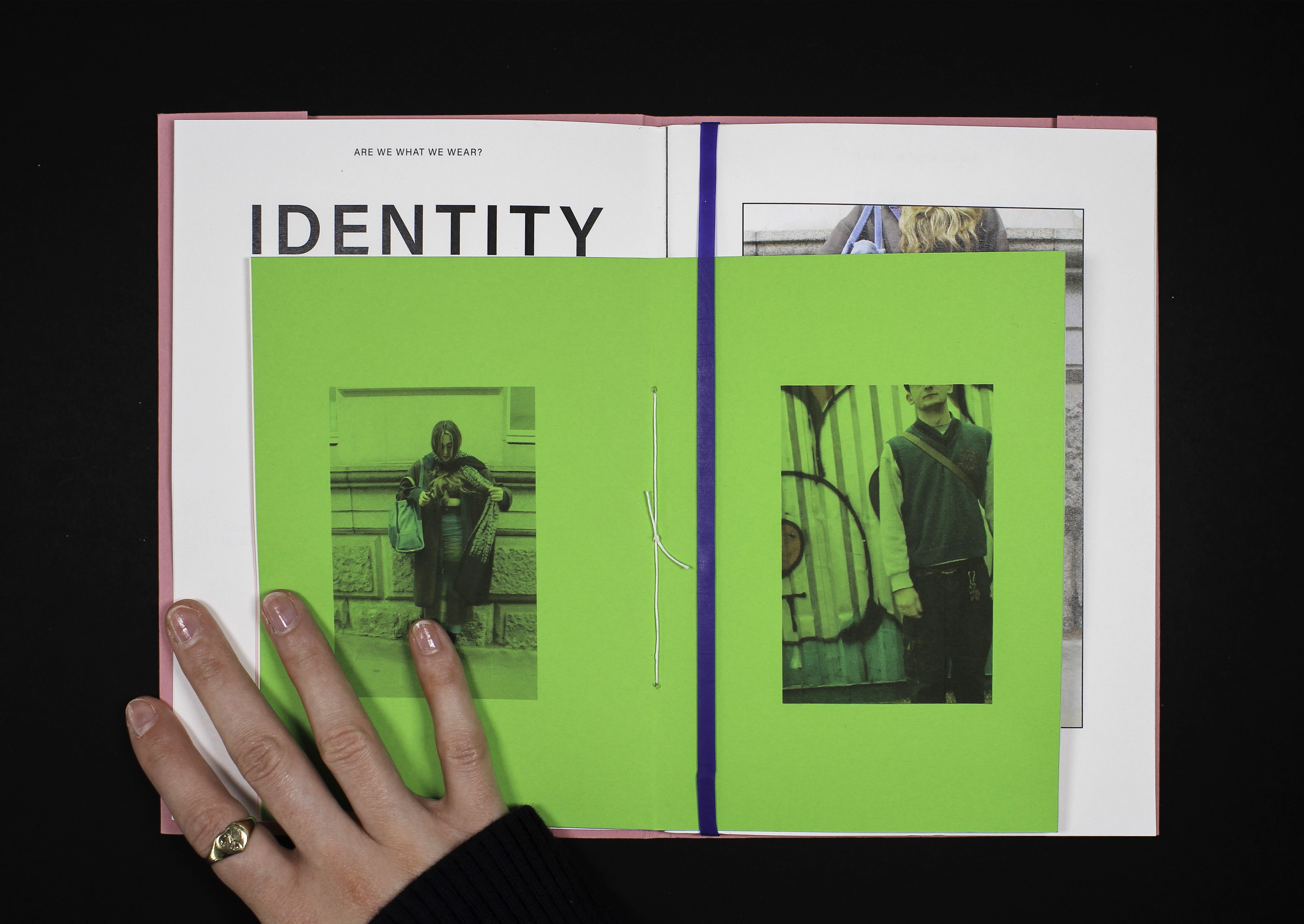
It was a rocky road getting my diagnosis and I know people deal with a late diagnosis differently but for me, it was quite uplifting. I felt I could give myself a bit of grace around why I might deal with certain situations differently to neurotypical people. I’m always keen to learn more about myself and my diagnosis just before starting my undergrad really fuelled my projects throughout my degree. My creative projects have always been influenced by my personal background and experiences so my autistic identity became a big part of that and continues to be.
Women have often been overlooked as a demographic for neurodiverse diagnoses, so I really wanted to highlight and represent myself as an autistic woman through my work.
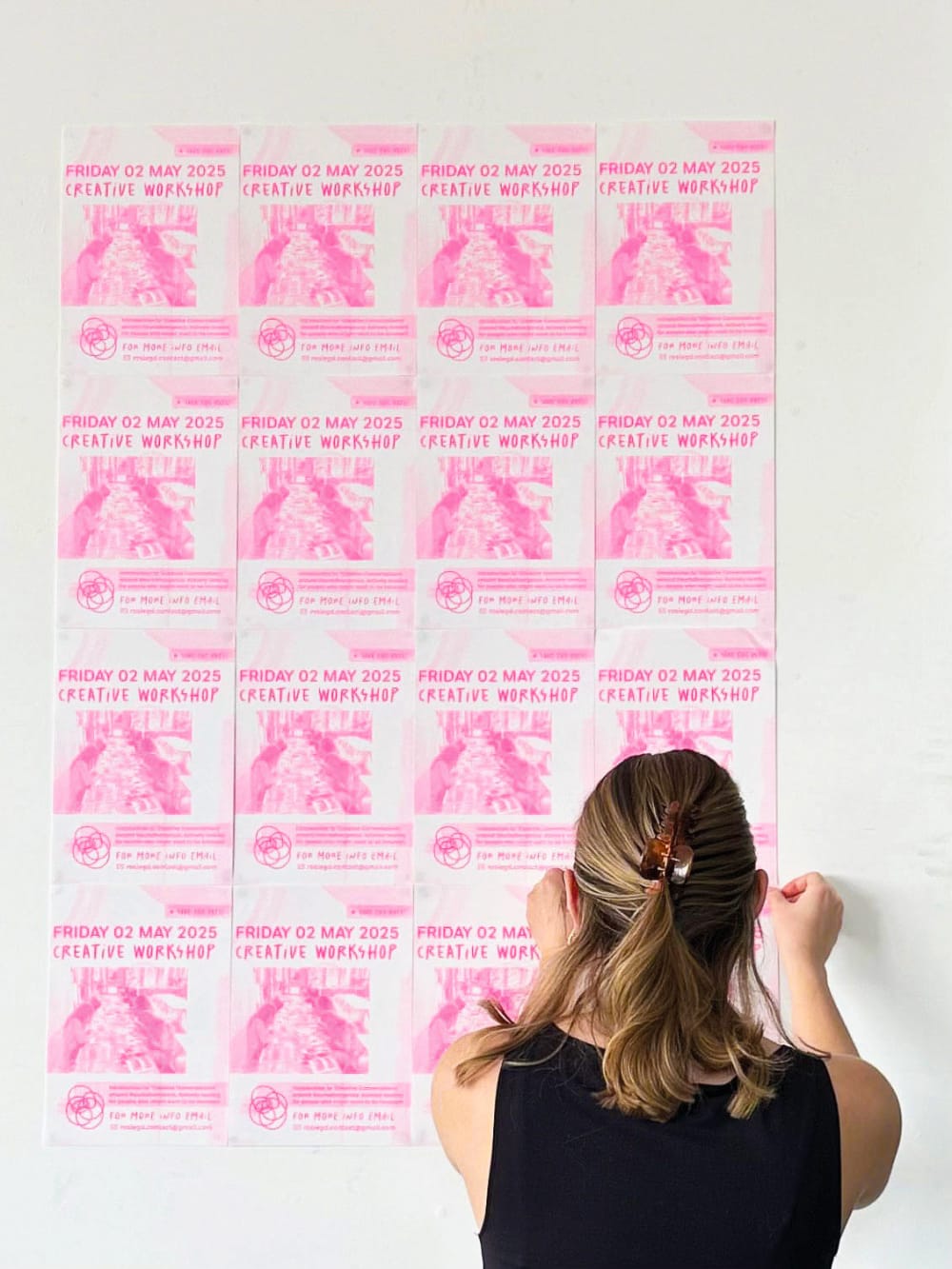
What are the benefits of facilitating creative workshops and giving people a physical space to create?
I took part in a lot of zine workshops outside of my course and saw the benefits that the environment brings. Even as an art student, it’s so important to be able to step away from academic work and remind yourself of the joy of just creating for creating’s sake.
I’ve found that the conversations that come from these spaces can be really meaningful as well, with people feeling more comfortable to open up to one another when they are occupied with creating. I really love the feeling of creating a safe space like that, which is why I created Creative Conversations.
I don't think there are enough spaces for people to just come and create just for themselves.
How was the experience facilitating the Creative Conversations pilot workshop?
It was a great experience. On my course we had a shared studio space which I hosted the session in, making sure I did it at a time when it’d be quieter so it wouldn’t feel overwhelming for anyone as I know a loud space can be intimidating.
I fully expected only UAL students to attend but it really ended up being a mixture, with externals joining in. I even had a girl from Italy, who happened to be visiting London, message me on Instagram to ask if she could come along. The fact that someone reached out to me like that was amazing and I was of course happy to have her join!
What was the highlight of the workshop for you?
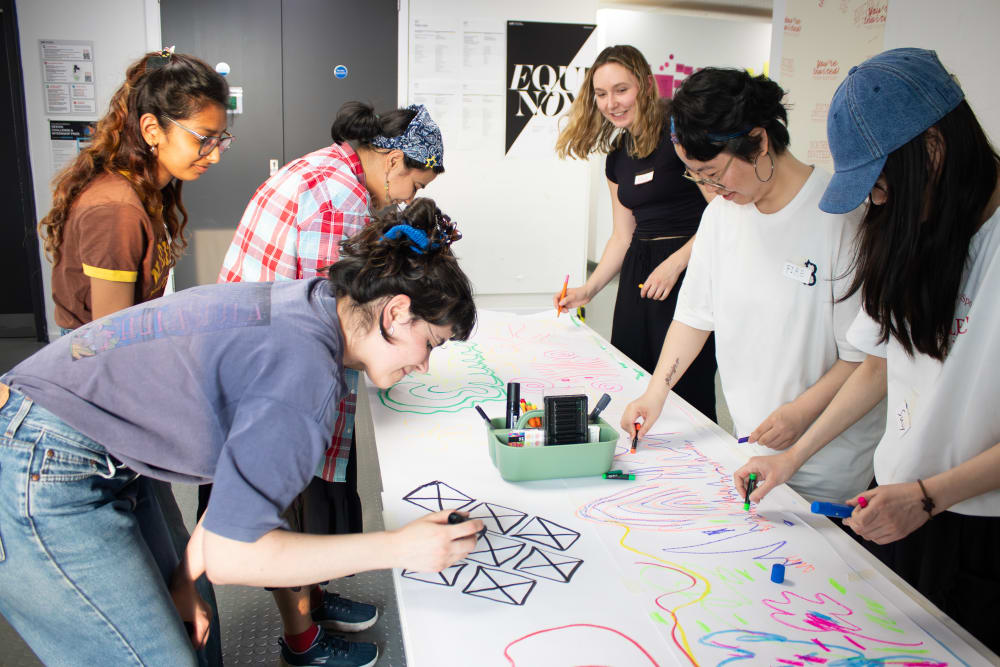
Participants worked collaboratively at the workshop, which is something I really wanted to do because I thought working together on a single piece was a nice way to take the pressure off everyone.
I got some great feedback from participants who said how much they enjoyed the collaborative exercises, how it helped conversations naturally spark and fostered trust between participants. I really liked getting everyone involved so for me that was definitely the highlight!
What skills did you develop from facilitating the workshop?
I think a major one is learning to be fluid and allowing participants to help guide the direction of the session. Of course, going into it I had a plan in mind for how the session would go but I felt it was important to speak to participants to understand what they wanted to get out of it, how they might like to work in a way that suits them.
I'm still learning about myself and I don't know everything about being autistic or what someone else's experience might be, so I wanted to make sure I was flexible and open to learning.
On a more logistic level, I got some good experience in organising events, considering the key things needed for the session such as materials needed, event space, ensuring participants know the timings and where to go. These skills have all been useful and I feel will be applicable for future projects.
Did you work with the Disability Service during your time at UAL?
When I first started at UAL I reached out to the Disability Service, who helped me with getting an independent student agreement, which outlined the allowances that I might need during my studies. They also provided me with a mentor who really helped me by offering weekly check-ins and helping me to better structure my time because that was something I struggled with.
It was so beneficial to do this early in my studies because once final year came round and the pace increased so much, I was in a much better position to structure my time and stay on top of things.