
LCF x Justin Alexander: Reimagining the future of bridal wear
- Written byMadi Hough
- Published date 15 September 2025
Share story
The bridal fashion industry is at a crossroads, facing growing calls for greater inclusivity, sustainability, and cultural relevance. As societal views on marriage, identity, and gender evolve, bridal fashion must adapt in response.
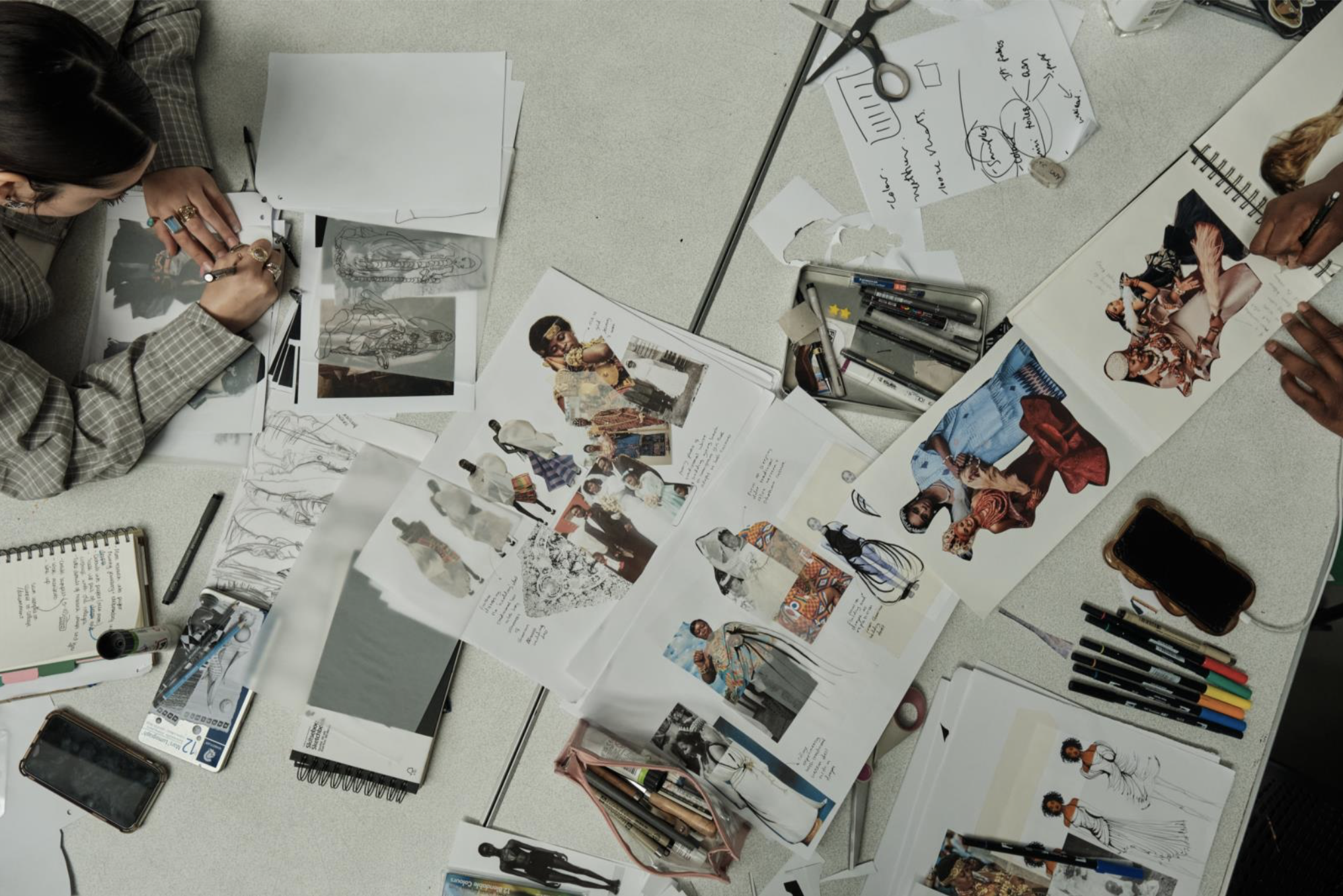
Bridal Futures, winner of the Student & Graduate Futures KE Award 2024, was a collaborative project between London College of Fashion (LCF) and the Justin Alexander Group (JAG), designed to meet this challenge. Through live industry briefs, students reimagined traditional bridalwear, incorporating innovative, socially conscious design solutions. This partnership bridged the gap between academic creativity and industry insight, giving students real-world exposure while providing JAG with fresh perspectives on contemporary bridal trends.
The project’s impact goes beyond the classroom: select designs were produced and showcased at major bridal fairs, creating tangible outcomes, employment opportunities, and new insights for the brand.
In this interview, we met with Shee Fun Chan, Course Leader BA Honours Fashion Design Technology: Womenswear at LCF, who provided some insights into this knowledge exchange initiative and its impact on participating students.
Could you tell us a bit about how this project came about and how it differed from more traditional industry placements?
The company approached us because they were genuinely interested in Gen Z’s perspective on marriage and weddings. Students were able to engage directly with industry whilst supported by tutor feedback and access to our facilities. It was an excellent opportunity for students to tackle a creative brief from a large U.S.-based company while still being fully supported within an academic framework.
Could you elaborate on how the brief encouraged students to design bridal looks for a new generation?
The company was very open and eager to work with LCF. Aware of the traditional image of the bridal sector, we were keen to bring cultural and social sustainability into the conversation. We already worked extensively with environmental and material sustainability in Year 1, so for this Year 2 project, the focus was different. Since Year 2 is industry-focused, it was vital to begin addressing questions such as: the relevance of marriage, the return to traditional values, the extravagance of ceremonies, the sustainability of wedding dresses, and inclusivity around intercultural marriage, same-sex unions, and gender-fluid identities. Starting these conversations early in education ensures they become part of students’ baseline understanding of fashion.
How does this project exemplify Knowledge Exchange in action?
JAG was able to experience students’ direct responses to the brief and commented on the breadth of original responses. It is valuable for a company to experience this rich, in-depth, creative response – which could not be gathered through traditional market research. In return, students benefited from engaging with a real-world brief, presenting their ideas to industry guests, and receiving feedback from professionals outside their day-to-day teaching team. This was invaluable for their professional development and confidence.
What role did student diversity play in enriching the design responses?
Our students bring their whole identities into their work, so we made it clear that this was an opportunity to explore their own backgrounds and identities and ensure that the concepts resonate with them personally. We have a diverse cohort of students, and it is important for them and the course/industry that they use their voices and be seen. Ultimately, our goal is to help students align their personal and professional values in meaningful ways.

How did you scaffold the project to ensure meaningful industry engagement while allowing students creative freedom?
We worked closely with LCF Business & Innovation team to ensure that students had consistent support and regular industry contact. We also enlisted forward-thinking womenswear designer Talia Lipkin Conner, who guided students every week, took them on a research visit to the V&A and prepared them for their presentations to industry partners.
This project won the UAL Student & Graduate Futures KE Award in 2024. Since then, how has the partnership progressed?
After reviewing the work of each talented designer, the Justin Alexander team were so inspired by the designs—particularly that of student Momoyo Wada— that they agreed to purchase the rights to the design which they developed into a commercial product together.
The project sat within a wide and evolving portfolio of industry projects. Since this project we have worked with Phoebe English, Making for Change and The New Craft House. The Bridal Futures project helped us to see, in-action, how much industry values student voices and creative approaches to wider challenges and how our students can shape industry perspectives even before they have graduated. The students that were involved in this project graduated over the last 2 years with projects that were provocative and set to challenge and expand industry norms with beautiful and well-crafted collections.
- Explore our Knowledge Exchange projects and how we use creativity at UAL to tackle pressing global issues
- Start a creative partnership with us by completing our enquiry form