How student feedback is making UAL Libraries more accessible and inclusive

- Written byRowan Williamson
- Published date 13 July 2026
How student feedback is making UAL Libraries more accessible and inclusive
Access and inclusion is about more than opening library doors. It’s about making sure everyone can use library services confidently, feel welcome in library spaces, and see their experiences reflected in the support available to them. At UAL Libraries, your feedback is helping make that happen.
Removing barriers to access
When a student raised concerns about returning books during the Christmas closure period, library staff recognised that existing systems weren't working equally well for everyone. Students studying away from London or unable to reach campus were experiencing unnecessary stress around overdue notices and returns. Listening to these experiences, the Library introduced changes to borrowing arrangements and improved communications during closure periods, helping ensure services better reflect real-life circumstances.
The Library also trialled running winter warmer events at LCC and CSM on Christmas Eve, providing study space, support and a welcoming environment for anyone who remained in London during the holidays.
Making every voice easier to hear
Not everyone feels comfortable using formal feedback channels. Library staff wanted to make it easier for everyone to share their views, particularly students who might not complete surveys or raise issues online. New physical feedback boards create a simple, approachable way for you to share ideas, concerns and suggestions as part you’re your everyday library experience. Look out for them in your library.
By responding publicly to comments and tracking recurring themes, we can identify barriers more quickly and make sure your feedback leads to action.
Creating a stronger sense of belonging
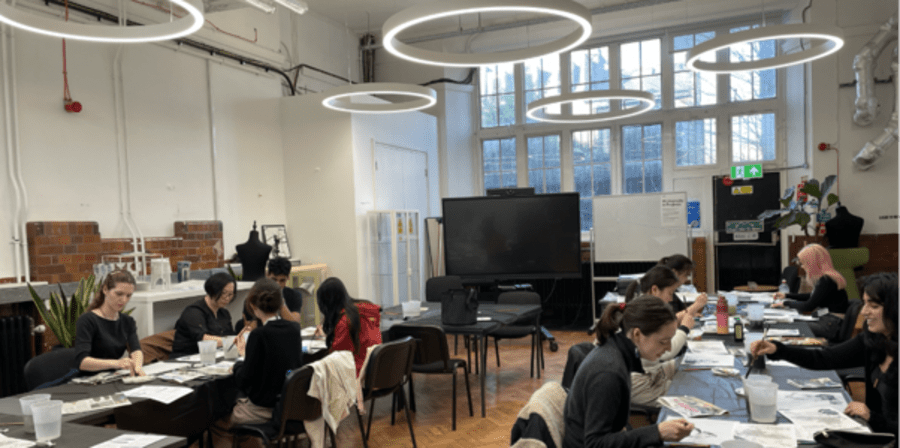
Feedback at Lime Grove highlighted that access isn't only about resources and study spaces. Feeling comfortable, confident and welcome can be just as important, especially when making the transition into higher education.
Library Services developed activities focused on wellbeing, creativity and community-building. Feedback also showed the importance of recognising diverse cultural backgrounds, helping shape future plans for activities that celebrate and reflect the communities that use the library.
Building more representative collections and archives
Inclusion also means ensuring that different voices and perspectives are represented. Through consultation and focus groups, students and staff have helped shape how UAL Archives and Special Collections make decisions, tell stories and represent artists and makers. This work has led to improvements in transparency, representation and participation in decision-making processes.
Feedback as a tool for inclusion
These examples show that feedback is about much more than measuring your satisfaction. It helps identify barriers that might otherwise go unnoticed and gives you a direct role in shaping a more inclusive library experience. From borrowing policies and study spaces to cultural recognition and representation, student voices are helping make UAL Libraries more accessible, welcoming and equitable for everyone.
Every comment, suggestion and conversation helps create a library where more students can belong, participate and succeed.
Contact us: https://arts.ac.libanswers.com/ask