We spoke to Diana Galindo, a BSc Creative Computing graduate at UAL Creative Computing Institute (CCI), about her path from working in retail into merging creativity and computing. Diana is now developing Debris Lore, an app that helps beach clean-up communities log plastic waste data in a more accessible way. The project has recently won a space in the Next Gen Design competition 'Redesign Tomorrow, today', and will soon tour 5 major European design festivals. Diana shares how she found her focus and used UAL’s resources—from physical computing labs to the UAL's Greenhouse incubator programme—to take a university project to the next level.
Follow a shift in direction
Before studying at UAL Creative Computing Institute, Diana was working for a retail company in the UK. She originally planned to go into graphic design and media at London College of Communication, building on a foundation in art and design, but her direction changed during an apprenticeship. “When I went into the apprenticeship, I realised I liked the coding part of things,” she says. While she enjoyed the visual side of design, she found herself increasingly drawn to tech.
That led her to apply for the BSc Creative Computing course. “I found the CCI as a perfect place to combine that sort of design and art background I had, and then also the tech and coding things I learned during my placement." The timing felt right, too. “It was just perfect for the time I decided to leave and go into uni.”
Choose the right course for your mindset
Diana chose the full undergraduate course over a diploma because she wanted more time to grow her skills. She also took the time to speak to people from the course before deciding.
What stood out most was the course’s blend of creativity and computing. “If you go to a pure computing course, it’s going to be very technical and very much about theory. So, I think the way it was structured at CCI sort of allowed me to do the practical and the theoretical at the same time.”
She also appreciated the focus on ethics and human-centred design.
Learn by doing
Throughout the course, Diana made full use of the university’s facilities. “We now have the building at High Holborn, so I was able to use the computing lab to do some machine learning.” She also accessed CCI’s physical computing lab at Peckham Road, which gave her hands-on experience with tools and components for building interactive projects. In addition, she made use of human resources such as the technical team who made a big difference to her journey.
Let the idea come to you: “It was meant to be a holiday.”
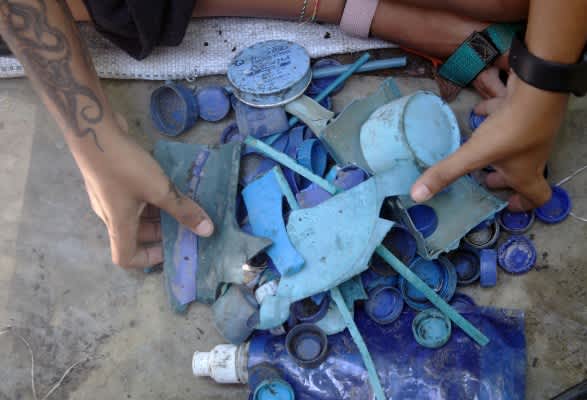
The idea for Debris Lore came from a trip to Colombia in 2023.
Seeing the extent of pollution first-hand shifted Diana’s perspective.
She returned in 2024 to take part in a 5-day clean-up and recycling workshop with Plástico Precioso Uramba located in Bahía de Málaga Colombia'.
By studying in an innovative institute like UAL's Creative Computing Institute, Diana developed her creative thinking skills combined with technical skills– allowing her to creatively problem solve to address some of our world's biggest issues.
Turn an idea into a real product
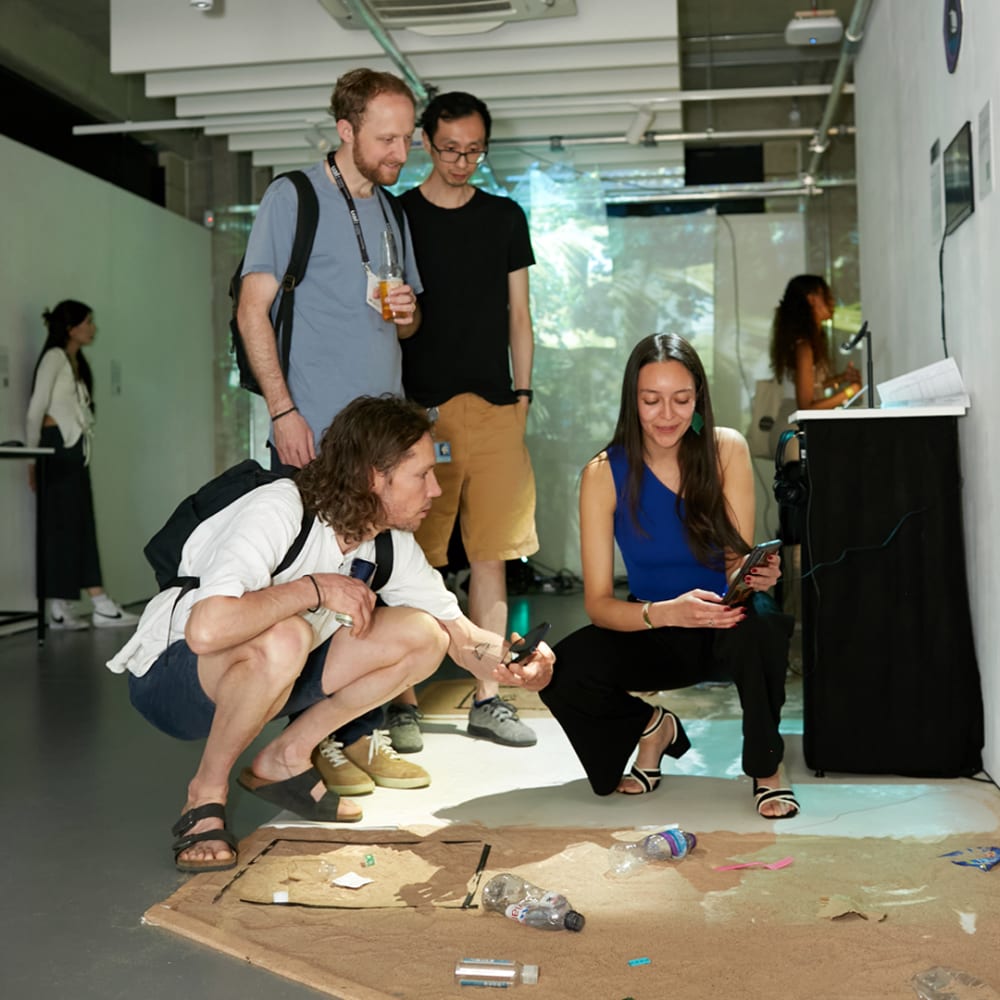
Back in London, Diana began developing the project as part of a unit on her creative computing course.
She originally imagined Debris Lore as an immersive experience, but quickly realised it needed to be more practical.
The goal is to support community-led cleanups with better tools for data logging — helping make their work visible to NGOs, and policy makers.
Grow your ideas with UAL’s social network
“That was the starting point to see how I could push my idea into something more real.”
After graduation, Diana joined UAL’s Greenhouse incubator, where she’ll be developing her project over the next 6 months. “
The project is still in development, but Diana has already started reaching out to real-world users.
Diana is now conducting surveys with local groups, aiming to incorporate feedback from the people who will actually use the app.
She’s also getting guidance from a UAL mentor through the graduate scheme.
Your next steps
Diana’s journey is a reminder that your journey doesn’t have to follow a pre-decided path. By blending creativity, technology and personal experience, she’s creating work that connects with people — and offers a solution to communities tackling socio-environmental challenges.
If you’re a creative looking to expand your practice — or explore a new one — UAL offers a wide range of postgraduate courses designed to support innovation and experimentation. UAL Careers and Employability provide students with freelance and business support across their entire degree, allowing you to turn your own ideas into an innovative business.
- Explore postgraduate courses at arts.ac.uk/postgraduate.
- Combine creativity and tech with degrees from UAL Creative Computing Institute.
- Learn more about UAL’s Greenhouse incubator and Creative Business Accelerator