Meet: Francisco Cortés
- Written byGiada Maestra
- Published date 07 September 2026
Share story
London College of Communication (LCC) alumnus Francisco Cortés recently won First Prize at the HISENSE x VIDAA Art Competition and was longlisted for the World Illustration Awards 2026. We caught up with him to discuss his journey from university to working in London as an illustrator.
Hi Francisco, nice to meet you! Could you tell us a bit more about yourself and your background?
Hi, nice to meet you. I'm Francisco Cortés, a Mexican visual artist based in London. I trained as an industrial designer which gave me 3D skills and, more importantly, a sensibility for space and geometry that has never left my work. In the last years I’ve been working between Mexico and Europe.
Can you tell us more about your creative practice?
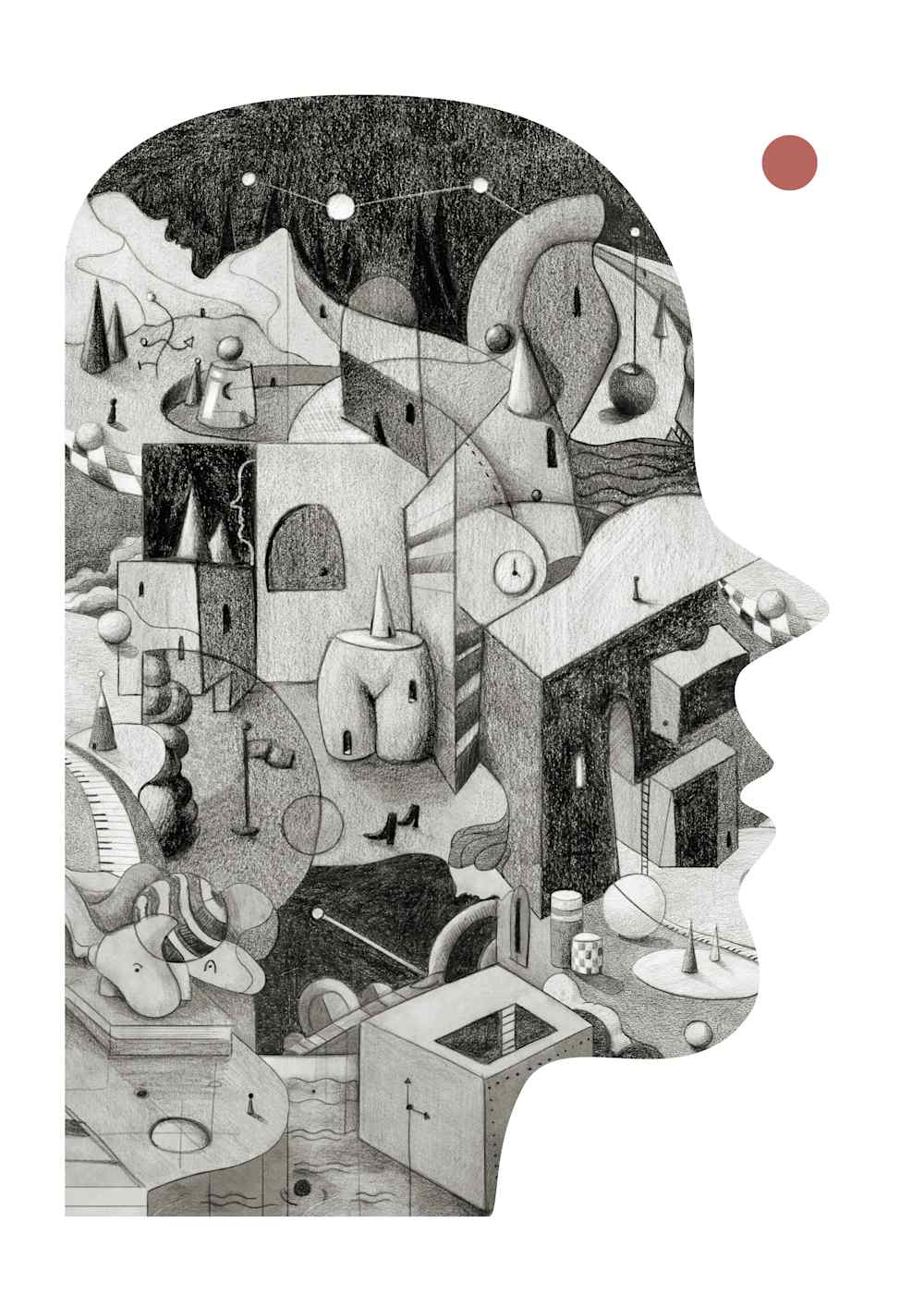
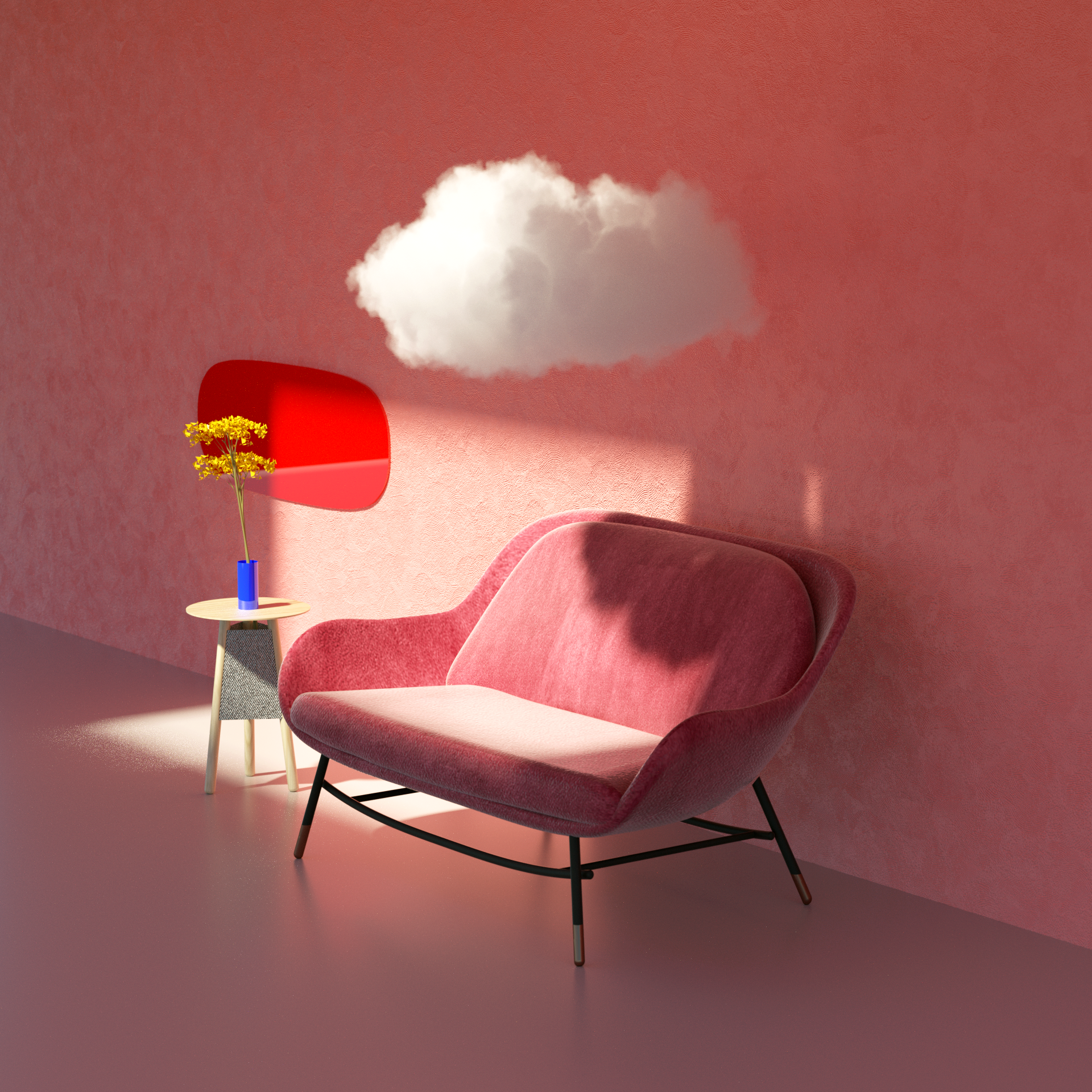
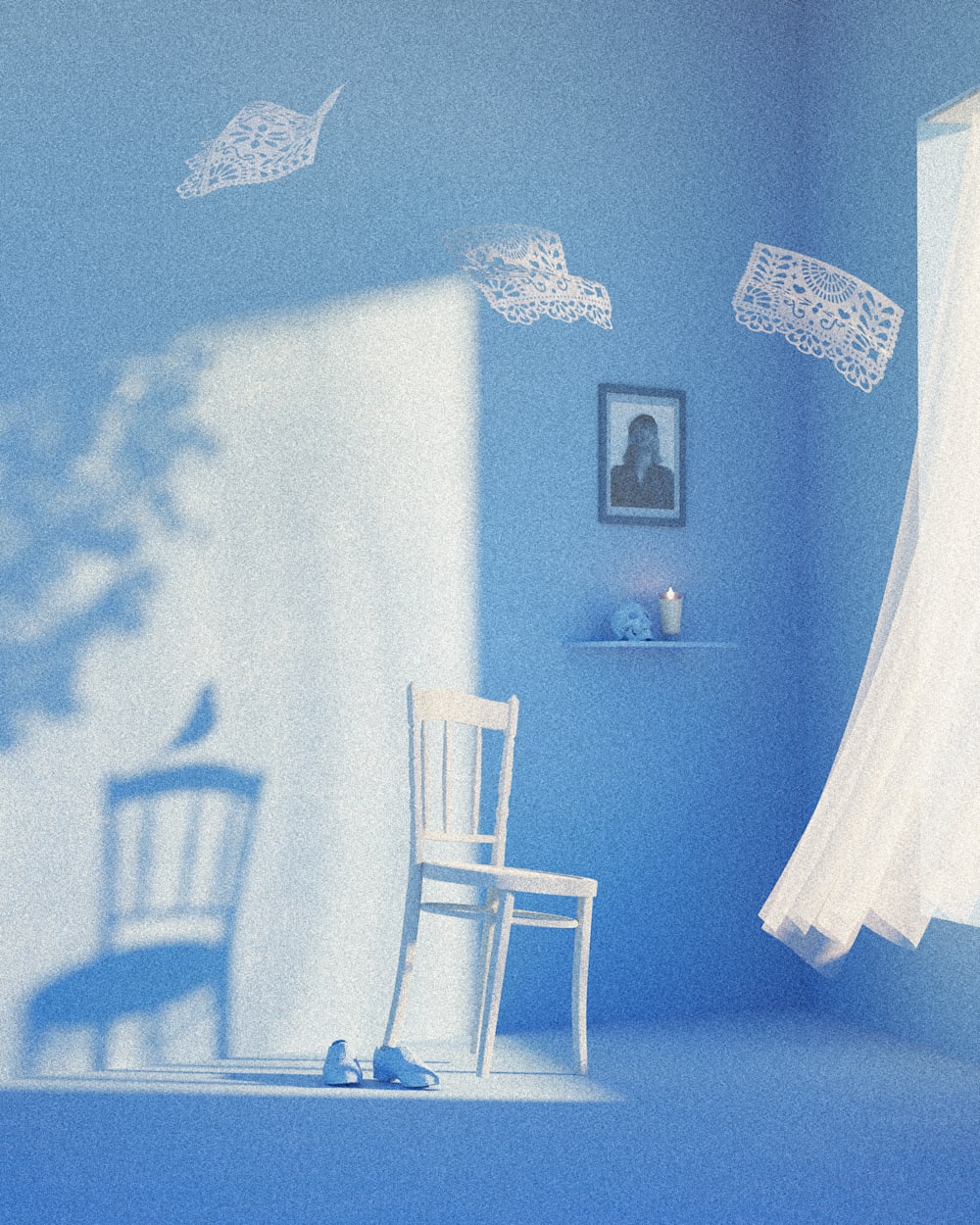
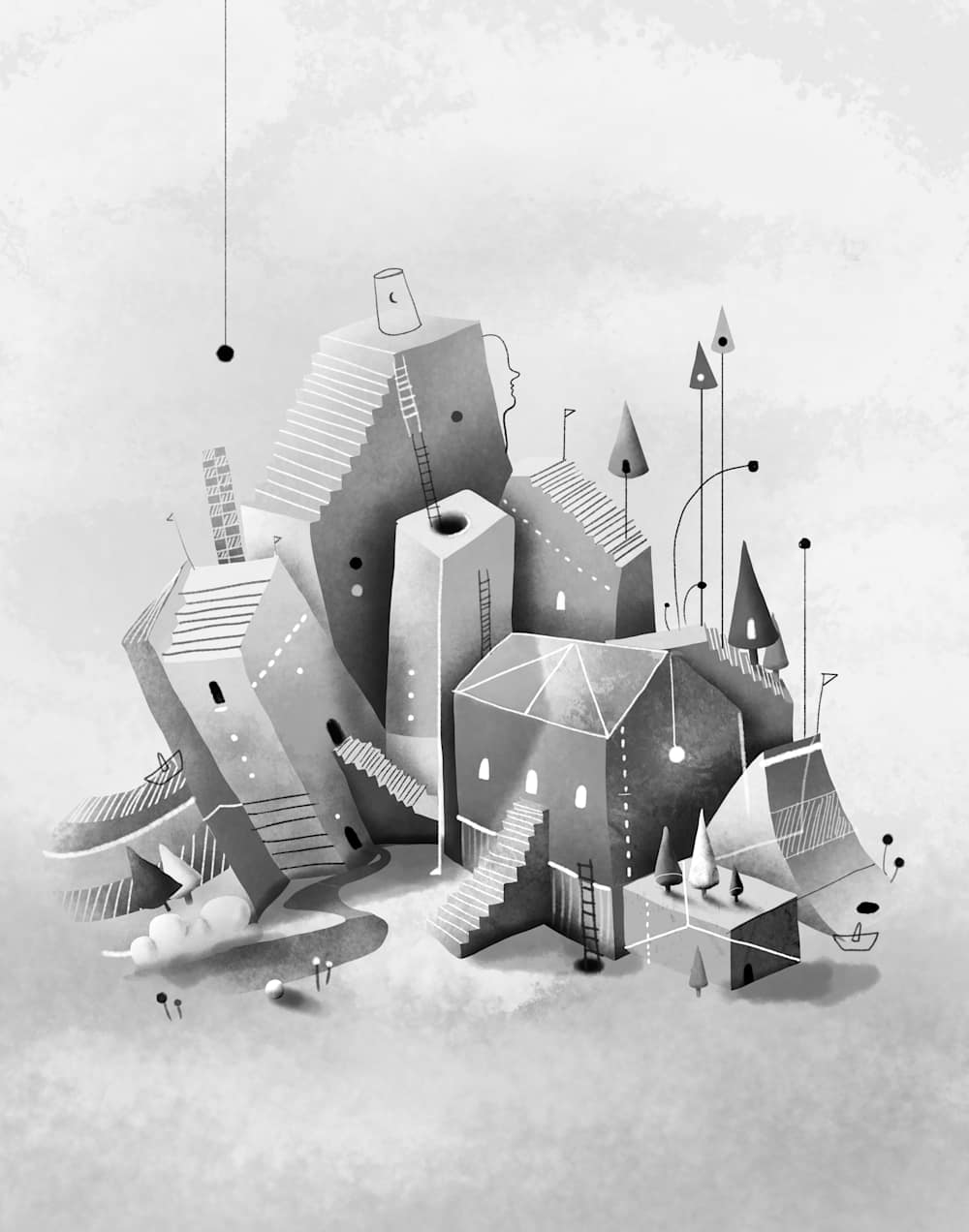
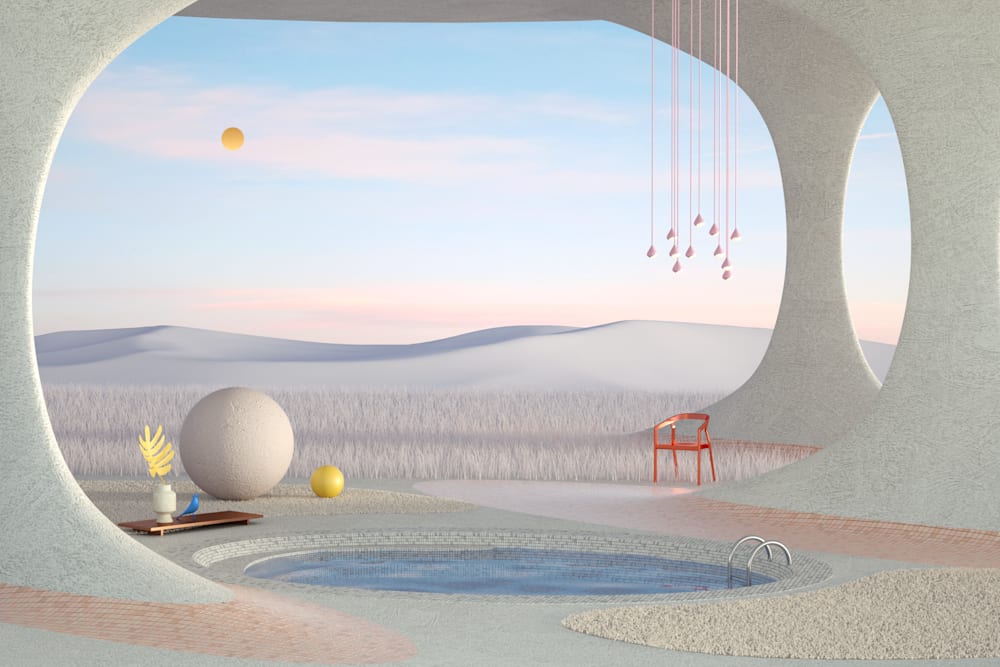
My artistic practice turns around the idea of inhabiting. I work with 3D, graphite, digital illustration, animation, and music, building quiet, surreal spaces that you can not only look at but move through. Whether inhabiting happens only within physical architecture, or other spaces: the mind, the body, a poem, a song. I build imaginary places, atmospheres of solitude, silence and contemplation.
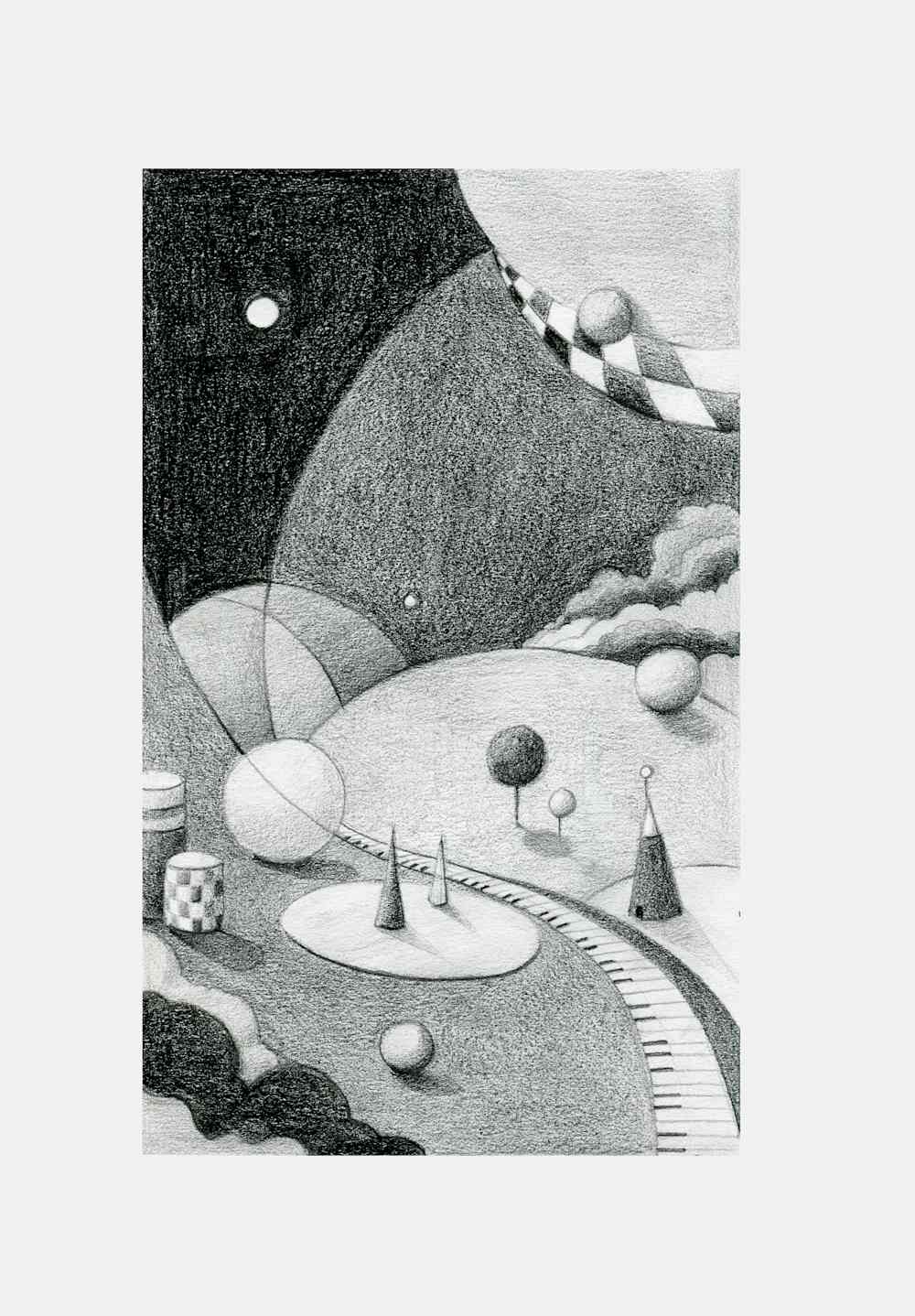
In my graphite work, black and white is a deliberate analogy to piano keys: with only 2 kinds of key, infinite melodies emerge, just as endless visual compositions unfold from the interplay of light and darkness.
Did studying at UAL influence your work or your way of thinking? If so, how?
Definitely, though I should be honest: UAL didn't work magic! What UAL gave me was the time and the tools to reflect on a practice that had started years earlier. It was the place where the concept of ‘inhabiting’ emerged professionally and consistently, which became the centre of my current practice and research.
One teaching from my tutor stayed with me. She spoke about the artist's role not as taking inspiration from others working with the same ideas, but as joining a bigger conversation, one that keeps growing and taking shape through your contribution to it. That metaphor helped me mature my own voice and understand what I could offer from my own perspective.
Why did you choose to study at UAL, and did the course meet your expectations?
I chose UAL for its recognition in art and design, and because it offered an MA in Illustration.
What I took from the course was what I most needed to learn: more than the school, more than the city, more than your tutors, it depends on you. That lesson has continued to serve me. Above all, I'm grateful for the people I met there, who’ve become a community of international artists, including friends and tutors I still have around me.
You recently won First Prize at the HISENSE x VIDAA Art Competition and were also longlisted for the World Illustration Awards 2026 - congratulations! How do you feel, and what does this milestone represent for your career as an illustrator?
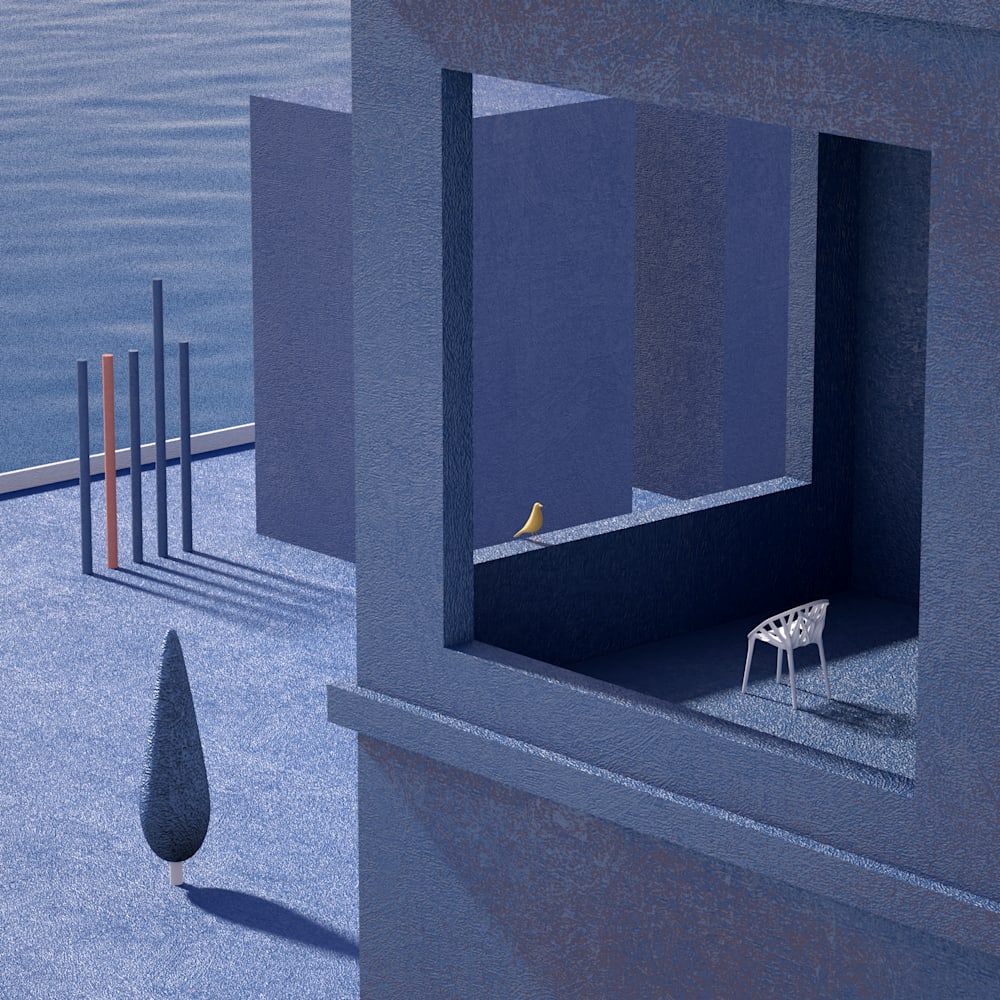
Thank you. Winning the HISENSE x VIDAA Art Competition, with Kate Bryan on the jury, was a surprise. The 20 shortlisted works were all strong and the competition was tight. Ironically, the piece I won with, ‘The Poetry of Freedom’ had been submitted to other competitions and fairs before and been turned down, sometimes without even being accepted to take part. It was a good lesson that every work belongs to a particular context and place. You just have to keep looking for it!
For the World Illustration Awards longlist, I entered ‘Inhabiting the Mind: Constellations’, which I developed specifically for the award. It gathers new and older sketches into a constellation, a retrospective map of my whole concept of inhabiting, held in a single image.
Together, these 2 recognitions confirm that the direction my practice took after the MA resonates beyond my own studio. More than an isolated achievement, it feels like a sign that this body of work around inhabiting is worth going deeper into.
What is your main source of inspiration?
Space, poetry and music, and the relationship between the 3. I'm drawn to empty rooms and their emotional charge, to light and shadow, and to artists such as M.C. Escher, Einar Turkowski, Giorgio de Chirico, Jungho Lee, Kandinsky and Shaun Tan. I like making images that inhabit the in-between, where reality bends, time slows and meaning lingers in quiet, uncertain spaces. Classical music and jazz feed my work too.
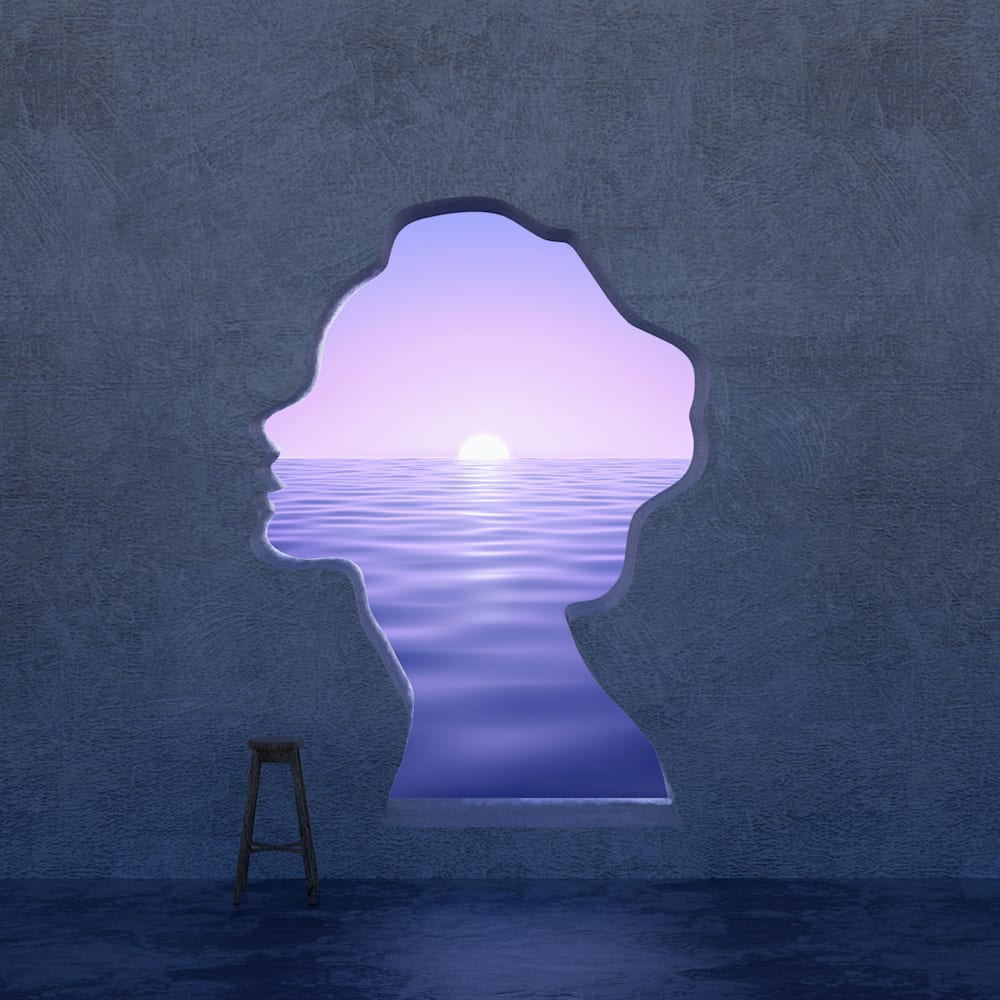
Are there any projects you are currently working on?
I'm continuing to develop my body of work around inhabiting, and in August I took part in the group exhibition ¡Viva Frida! at the Embassy of Mexico in the UK.
Looking ahead, I'd like the practice to keep growing, moving from the image towards installations and spaces that people can physically inhabit.

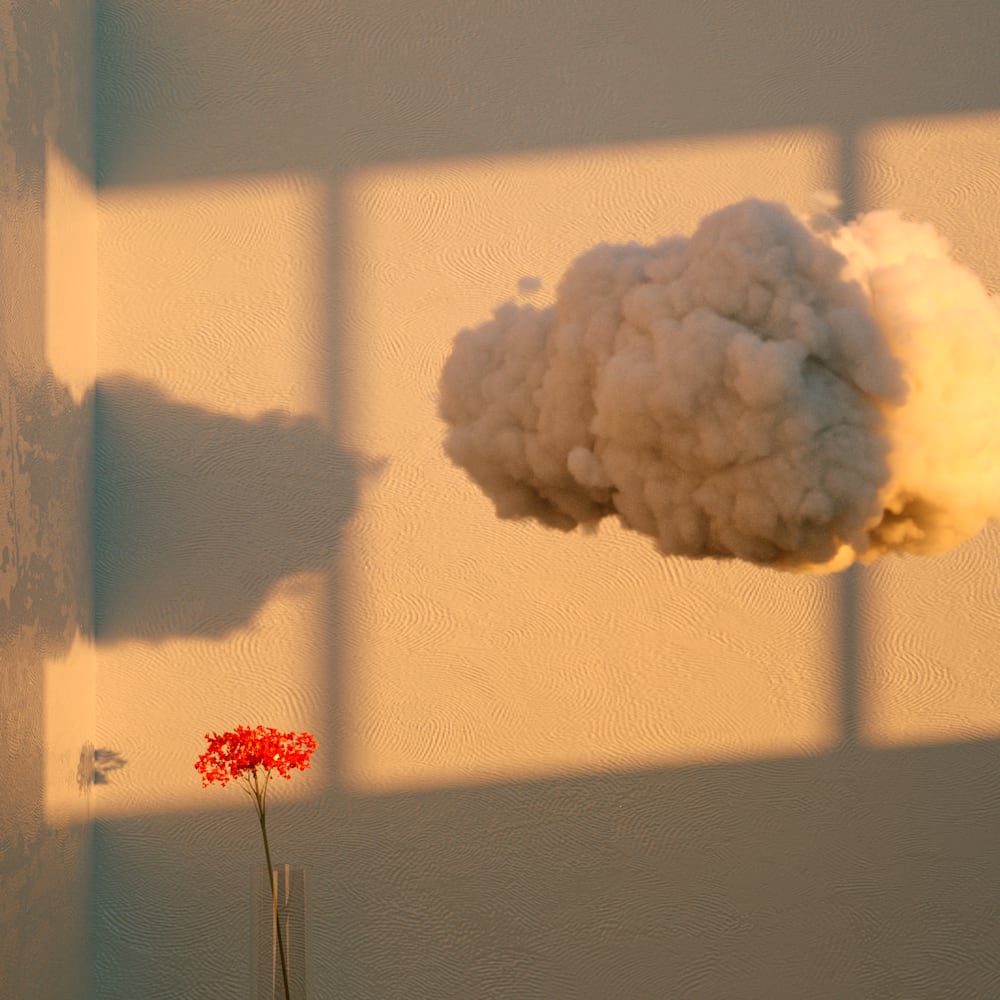
Is there anything you’d like to say to future illustrators?
At a moment when the creative industry is changing so much through AI image generation, the most important thing is to find your own question, and to keep making work that answers it in your own voice and your own way of seeing the world. There will always be a space, a person or a client who connects with the way you answer that question.
And one practical piece of advice: apply to competitions and open calls, many of them. There is surely excellent work sitting in a drawer that should be winning something. That happened to me. Some of the projects I never submitted have lost the relevance they had at the time, and I only understood that later. Don't wait as long as I did.