Our wealth inequality work at the institute
Stories shape how we understand wealth, poverty and fairness. Too often, they treat wealth as personal success and poverty as personal failure.
Our Wealth programme brings creatives and researchers together. They examine these assumptions and imagine alternatives. Without sacrificing craft, complexity or audience appeal. The aim is to widen public understanding of wealth and build space for fairer futures
Lab: Wealth Inequality
Our Wealth Narratives Storytelling Lab brought researchers and creatives together. They explored how wealth and power appear across culture.
The Lab made research useful for creative practice. It explored how structural inequality can be shown through character, plot and setting.
It was not about telling storytellers what to make. It was a space for dialogue, reflection and experimentation.
The group worked with difficult questions. How can stories critique wealth without glamourising it? How can they show systems of power without losing nuance? How can these stories not be didactic?
The Lab built narrative literacy. It helped storytellers make more intentional choices in their work. Read our story about the Wealth Inequality Lab for more details.

Blog: The Running Man
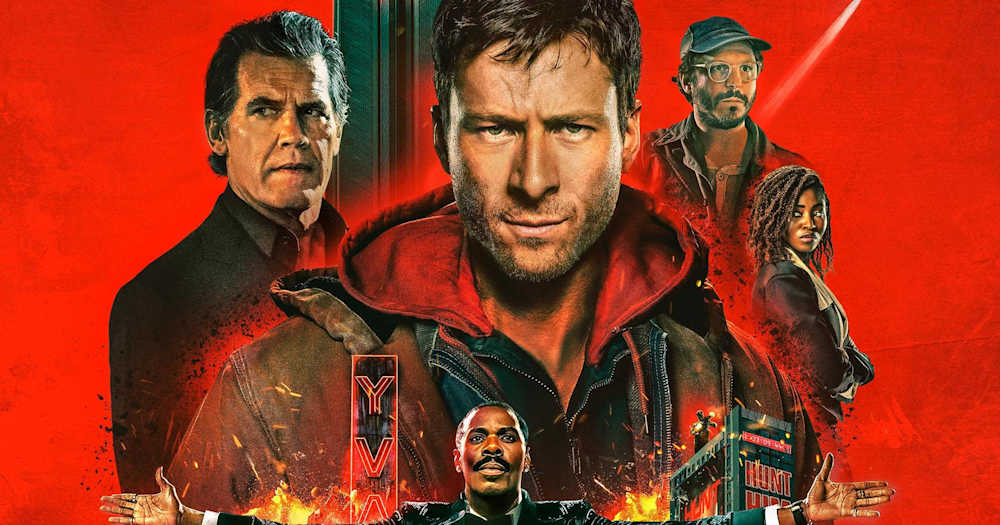
The 2026 film The Running Man echoing many of the themes explored in our Wealth Inequality Lab. It imagines a deeply unequal America, where people risk their lives for money. It's a game controlled by government, media and wealth.
It moves beyond the idea of one bad billionaire. Instead, it reveals a whole system that profits by pitting people against each other.
This is the work our Lab explores. How can stories make the machinery behind inequality visible? And how can they imagine collective action, rather than relying on the myth of the lone hero? Read our LinkedIn post to learn more.