Postgraduate

MA Fashion Design Management

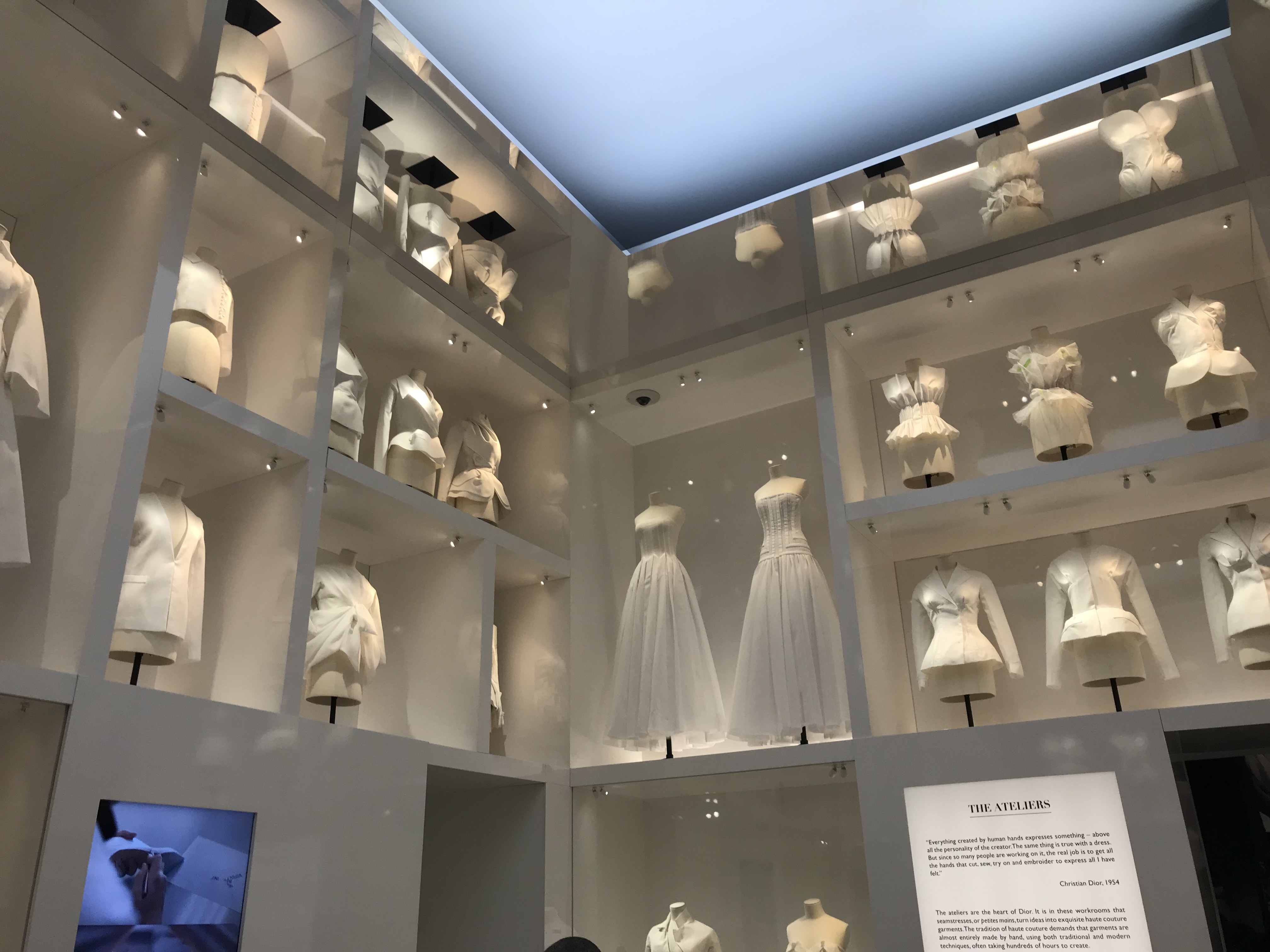
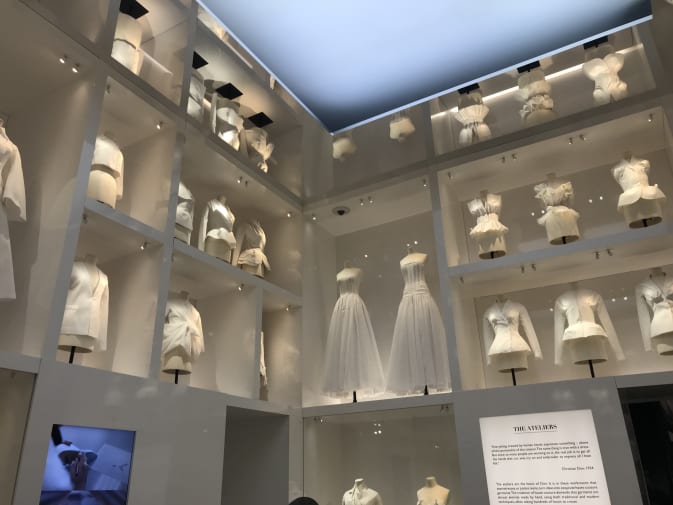
View of toile dresses in cabinets
MA Fashion Design Management event. © University of Arts London
College
London College of Fashion
Start date
September 2026
Course length
12 months

Develop a critical understanding of fashion design’s impact on global fashion businesses and acquire essential problem-solving and business management skills to address complex challenges for the industry.

Course summary

Why choose this course at London College of Fashion

  • Critical understanding: Go beyond the technical skills of fashion design to develop an understanding of the industry's global impact and its social, cultural and environmental contexts.
  • Creativity meets business: Bridge the gap between creative design and business acumen, giving you the tools you need to succeed in the fashion industry.
  • Industry links: Hear from industry speakers on a regular basis and work on projects connected to industry clients, helping expose you to new expertise and inform your thinking.
  • Accreditation: The Internationally recognised Textile Institute has awarded our course Associateship level accreditation, helping you evidence your skills to future employers.
  • Employability: Prepare for a successful career in the fashion industry across a wide range of roles including design, buying, merchandising, business start-ups and more. Graduates have gone to work for companies such as Burberry, Michael Kors, Saint Laurent, WGSN, Paul Smith, COS, The Business of Fashion and Zalando.

Upcoming events

Discovery Webinar| Studying at  LCF: Wednesday 5 March

To visit us in person, book a Campus Tour.

Scholarships, bursaries and awards

Use our scholarship search to discover if you are eligible for any scholarships, bursaries or awards.

Course overview

Introduction

Effective design management is a key strategy in developing and maintaining the success of global fashion businesses. MA Fashion Design Management will give you a critical understanding of the global impact of fashion design through the lenses of sustainable design strategies, transparent supply chain development and innovation management. 

This course is part of the renowned Fashion Business School. You will develop a range of essential business management skills alongside a critical understanding of the global impact of fashion design. This will support your development towards a career in the fashion industry where a holistic approach to sustainable product management is essential. This exciting and dynamic course will help you develop a valuable knowledge base through opportunities to work on industry-relevant projects and live industry briefs tackling design management challenges in the current global fashion industry. 

What to expect 

  • Cutting edge research: Learn directly from academic and business leaders at the forefront of sustainable design strategies, supply chain and innovation management.  
  • In-demand skills and knowledge: Gain design management skills needed for design, product development, buying, merchandising, sourcing, sustainability-related job roles in the creative industry along with the ability to manage innovation development. The course focuses on equipping graduates with the analytical and problem-solving skills necessary for professionals entering the complex and dynamic fashion industry of the future.
  • Industry informed curriculum: Academic content is continuously revised to adapt to current developments in industry.  
  • Knowledge Exchange: Take part in industry-led workshops, expert speaker series, and work together with students across LCF. 
  • Enterprise: Proactively engage in innovative problem-solving to tackle real-world challenges.

Industry experience and opportunities 

The course has strong links with the industry and provides a range of live projects with purpose-led industry partners introducing you to a range of different business models in the fashion industry. This allows you to directly apply theory to practice and build up your network in the industry. You are encouraged to engage with extra-curricular opportunities, for example: the Postgraduate Mentoring Network, Graduate Futures workshops and individual support and networking events at the university. 

Organisation of the Curriculum 

This course is divided into three 15 week blocks (full-time), each of 60 credits. Students who successfully complete 60 credits are eligible for the award of a PG Cert, while students who successfully complete 120 credits are eligible for the award of PGDip. Once students have successfully passed the first two blocks, they are eligible to progress onto the Master’s Project; this is a 60 credit unit in the final block. Students who successfully complete the Master’s Project are eligible for the award of a Masters. The MA FDM final award grading (pass, merit or distinction) is based upon the Master’s Project only. 

The credit framework conforms to the University of the Arts London framework in which the unit of credit is 20 credits (equivalent to 200 hours of student study time). All credits on this Masters programme are at postgraduate level 7. 

Climate, Social and Racial Justice 

We are committed to developing ethical Fashion Business practices. To achieve this and promote awareness, we aim to embed the UAL's Principles for Climate, Social and Racial Justice into the course.  

The course explores the positive impact of design by challenging the status quo and exploring innovation with the aim to address wicked problems. We believe that design thinking and design practice has the power to shape positive futures and strategic change for the fashion industry. You will explore how to support welfare, by championing causes, enable inclusivity and nurture wellbeing. 

Contact us

Register your interest to receive information and updates about studying at UAL.

Contact us to make an enquiry.

Course units

Block 1 

Design Management Principles (20 credits) 

This unit will introduce you to key principles and theories of Fashion Design Management. You will explore and challenge the value of the design discipline within the current dynamic global business environment. You will be required to critically apply strategic design management tools, frameworks and theories to justify your design strategy recommendation. 

Sustainable Design Thinking (20 credits) 

This unit examines the concepts that underpin sustainable design thinking and the processes required to adopt a people-centred, innovative approach to an evolving fashion industry. You will critically explore the design thinking process within a global fashion environment to offer sustainable emergent design solutions to complex contemporary issues. 

Design and Innovation Strategy (20 credits) 

This unit explores the future direction of fashion design and innovation management in an accelerating period of consumer, technological and global change. It evaluates the potential sustainable business and new product development strategies of the future as well as exploring the knowledge and resources required by fashion organisations. 

Block 2 

Elective Units 

Students will have the opportunity to participate in an elective unit as part of this course. This is an opportunity for students to collaborate with students from other courses within the college.

The following is an example list of electives that have been previously delivered:

  • Creative Decision Making for Fashion Enterprise
  • Cultural Programming
  • Fashion Politics and Cultures
  • Fashion Practices for Social Change
  • Fashion Together: Collaboration for Innovation

Please note:

  • Elective unit titles and details of the unit may change year to year
  • Elective units offered may change year to year, that is, unit listed above may or may not be offered in subsequent years
  • Students participate in a bidding process for choosing electives and participation in any particular elective is not guaranteed

Leading Design Practice (20 credits) 

This unit examines the process and implementation of design strategies by applying project management principles in practice. The key tools and techniques of researching, designing and planning a range of fashion related products to a specified brief will be examined alongside sustainable supply chain management and enterprising fashion business models. 

Advanced Research Methods (cross-course) (20 credits) 

Developing effective approaches to research is crucial for success in your Masters' project and in your wider career. In this unit you will start to develop and explore your individual research project in preparation for your Masters' project. In the process of developing your research proposal you will consider a range of research methodologies, methods and approaches, evaluating how you will utilise primary research tools effectively in your Masters' project. 

Block 3 

Masters Project (60 credits) 

The Masters Project is the final stage of your Masters’ course and is the culmination of your studies and provides you with a space to synthesise all the knowledge and skills you have gained on the course so far. Upon completion of your project, you will have generated a high-level Masters’ quality piece of work that will showcase your practice, academic literacy and the professional standards that will act as a platform for your future career and professional development.

Learning and teaching methods

The following teaching and learning methods are employed to support the integrated achievement of the course outcomes:  

  • Lectures, seminars and workshops 
  • Individual and group presentations 
  • Briefings, tutorials and feedback 
  • Collaborative group project work 
  • Research methods and academic skills workshops 
  • Peer learning  
  • Online learning 
  • Museum, gallery and other visits

Assessment methods

The following assessment methods are employed to support the integrated achievement of the course outcomes: 

  • Essays and reports 
  • Group and individual work 
  • Portfolio of work 
  • Oral and visual presentations 
  • Dissertation / business report / practice-based project 
  • Self-evaluation  
  • Tutorials 
  • Peer assessment

Showcasing at LCF

There are a range of showcasing opportunities students can take part in whilst studying at LCF. End year showcasing at London College of Fashion, UAL, is one of the moments students can celebrate graduating from their courses. However, degree shows are not part of the learning outcomes in a course curriculum and are therefore not guaranteed as part of studying with us. Students must register by a deadline to take part, and we are not able to show all student work so submitting students will have their work curated.

UAL Showcase

Explore work by our recent students on UAL Showcase

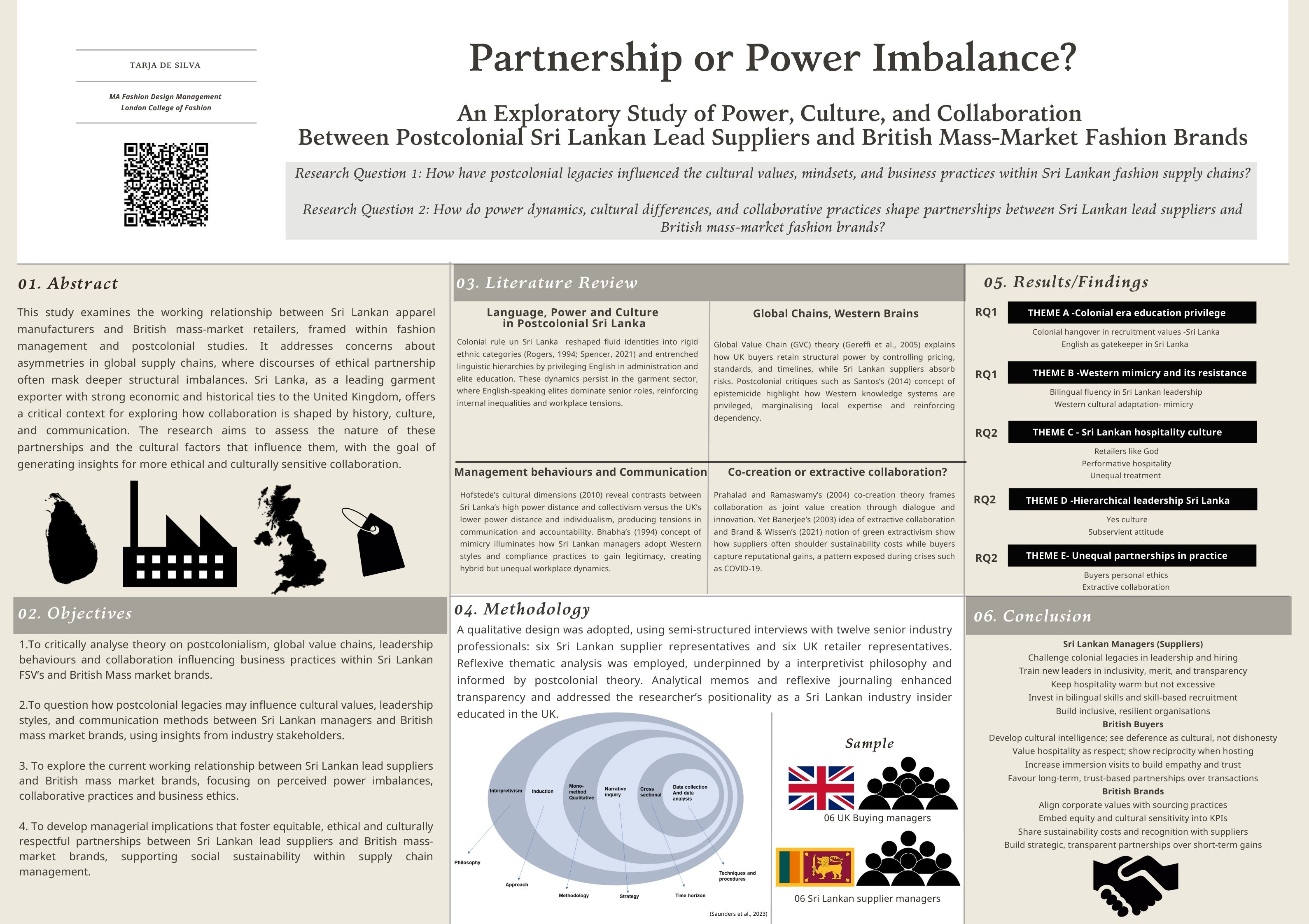
  • Partnership or Power imbalance?
    Partnership or Power imbalance?, Tarja de Silva, 2025 MA Fashion Design Management, London College of Fashion, UAL
  • Digital Product Passports in Denim Fashion
    Digital Product Passports in Denim Fashion, Deepnanda Talukdar, 2025 MA Fashion Design Management, London College of Fashion, UAL
  • ColLab - Laboratorio italiano per la Manifattura
    ColLab - Laboratorio italiano per la Manifattura, Alessandra Rossini, 2025 MA Fashion Design Management, London College of Fashion, UAL
  • Scaling Slow Fashion
    Scaling Slow Fashion, Ritu Ganshani, 2025 MA Fashion Design Management, London College of Fashion, UAL
  • PORTFOLIO // VASCO
    PORTFOLIO // VASCO, Vasco Paraiba Oliveira Lopes, 2025 MA Fashion Design Management, London College of Fashion, UAL
  • Local to Global: India’s Homegrown Fashion Labels
    Local to Global: India’s Homegrown Fashion Labels, Nidhi Ghevar, 2025 MA Fashion Design Management, London College of Fashion, UAL
  • The Sentiment of Technology: An Exploratory Study
    The Sentiment of Technology: An Exploratory Study, Ziqi Yang, 2025 MA Fashion Design Management, London College of Fashion, UAL
  • Tracing Tradition and Handwoven Heritage
    Tracing Tradition and Handwoven Heritage, Ritika Mandal, 2025 MA Fashion Design Management, London College of Fashion, UAL

Jeanne Langford | Course leader | MA Fashion Design Management

Marie Jones | Lecturer | MA Fashion Design Management

MA Fashion Design Management | Industry collaborations in the Leading Design Practice unit

MA Fashion Design Management (LCF) X PBA Fashion Management (KEA)

Postgraduate Mentoring Network 2024

LCF24 Fashion Business School Postgraduate Season: AI and Fashion Technology

Course trips

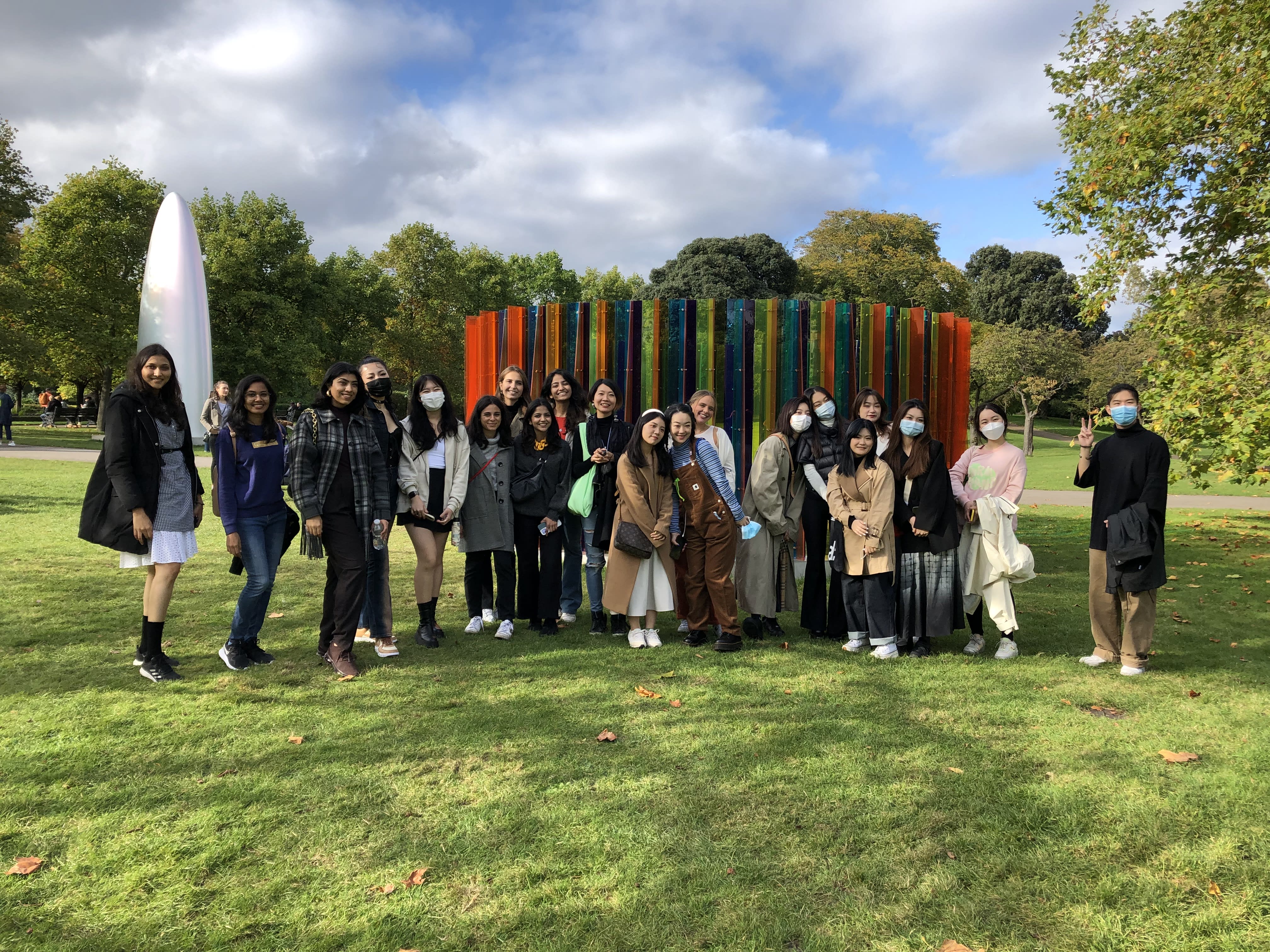
  • MA Fashion Design Management students posing for a photograph in Camden, London.
    MA Fashion Design Management | Walk through Camden, London with students | London College of Fashion | University of Arts London
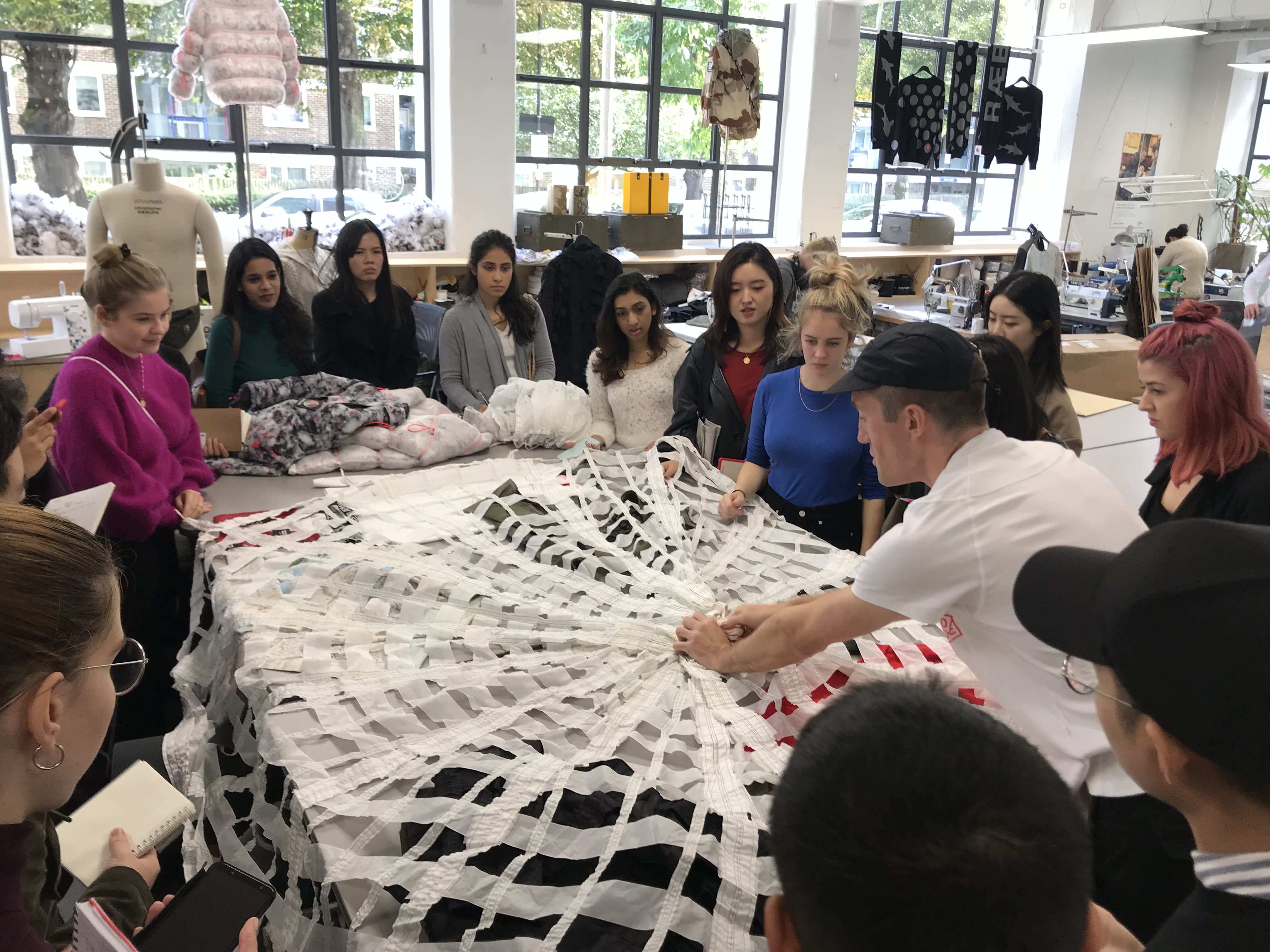
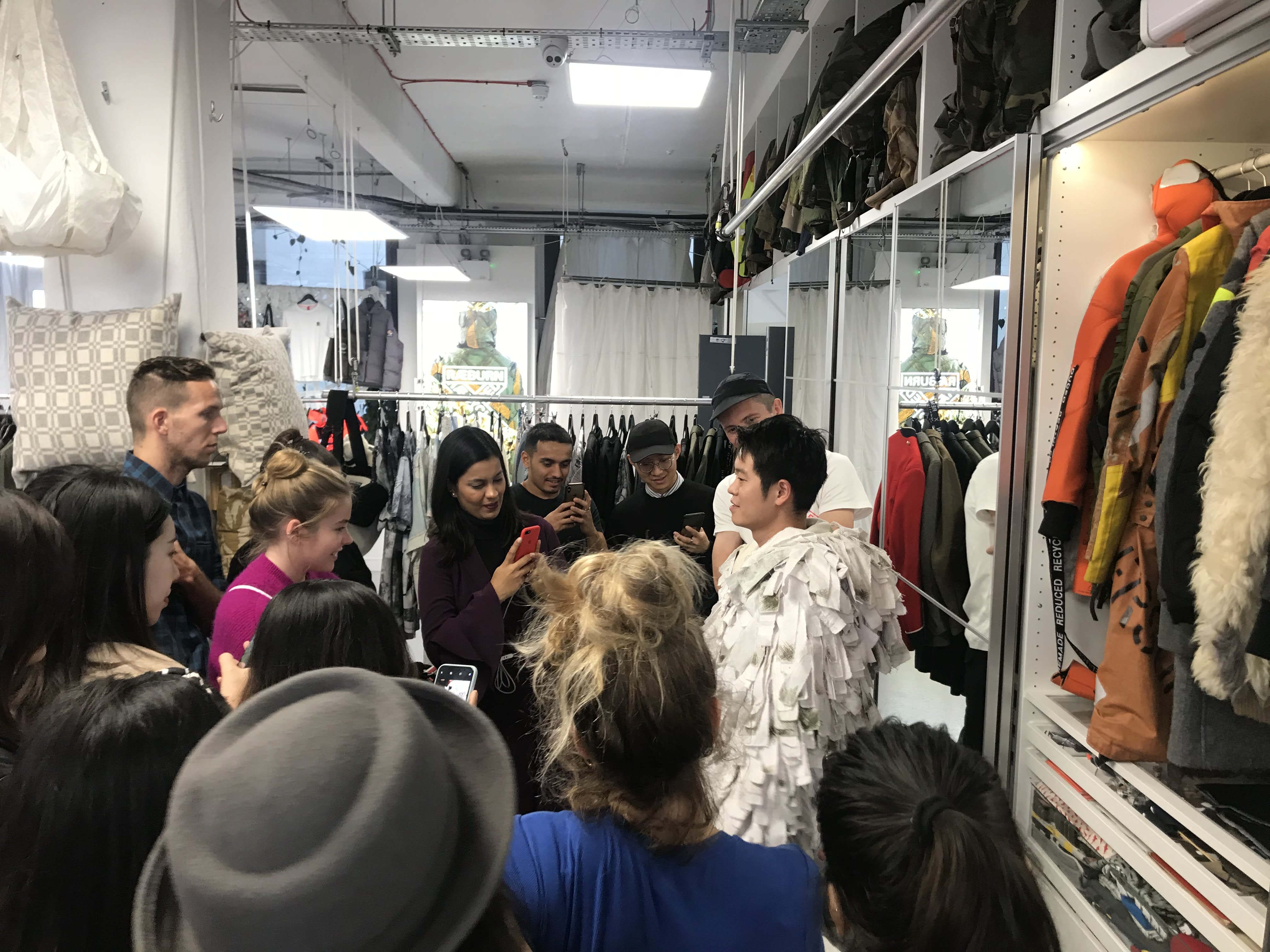
  • Students at the Christopher Raeburn studio.
    MA Fashion Design Management | Christopher Raeburn studio tour | London College of Fashion | University of Arts London
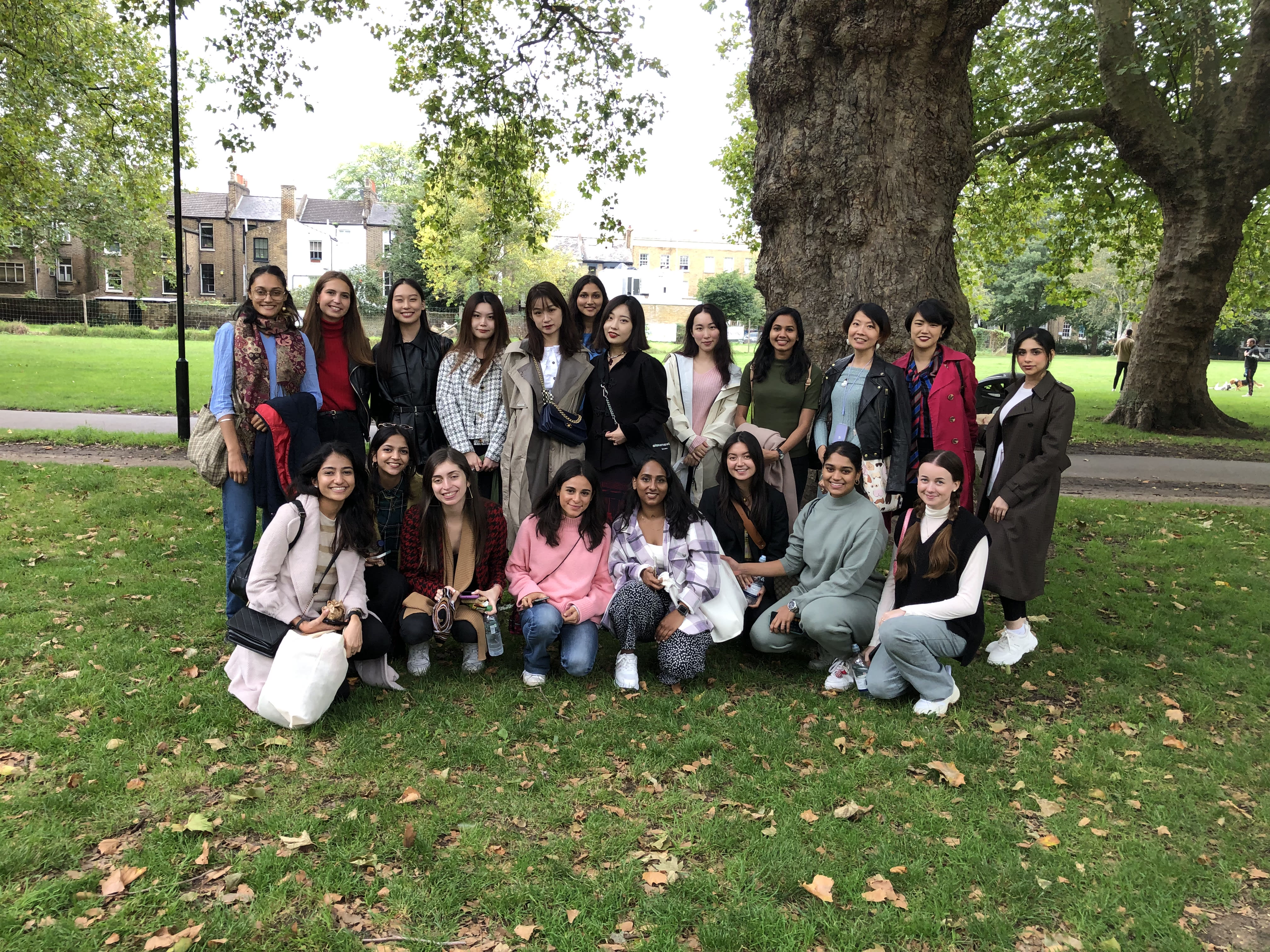
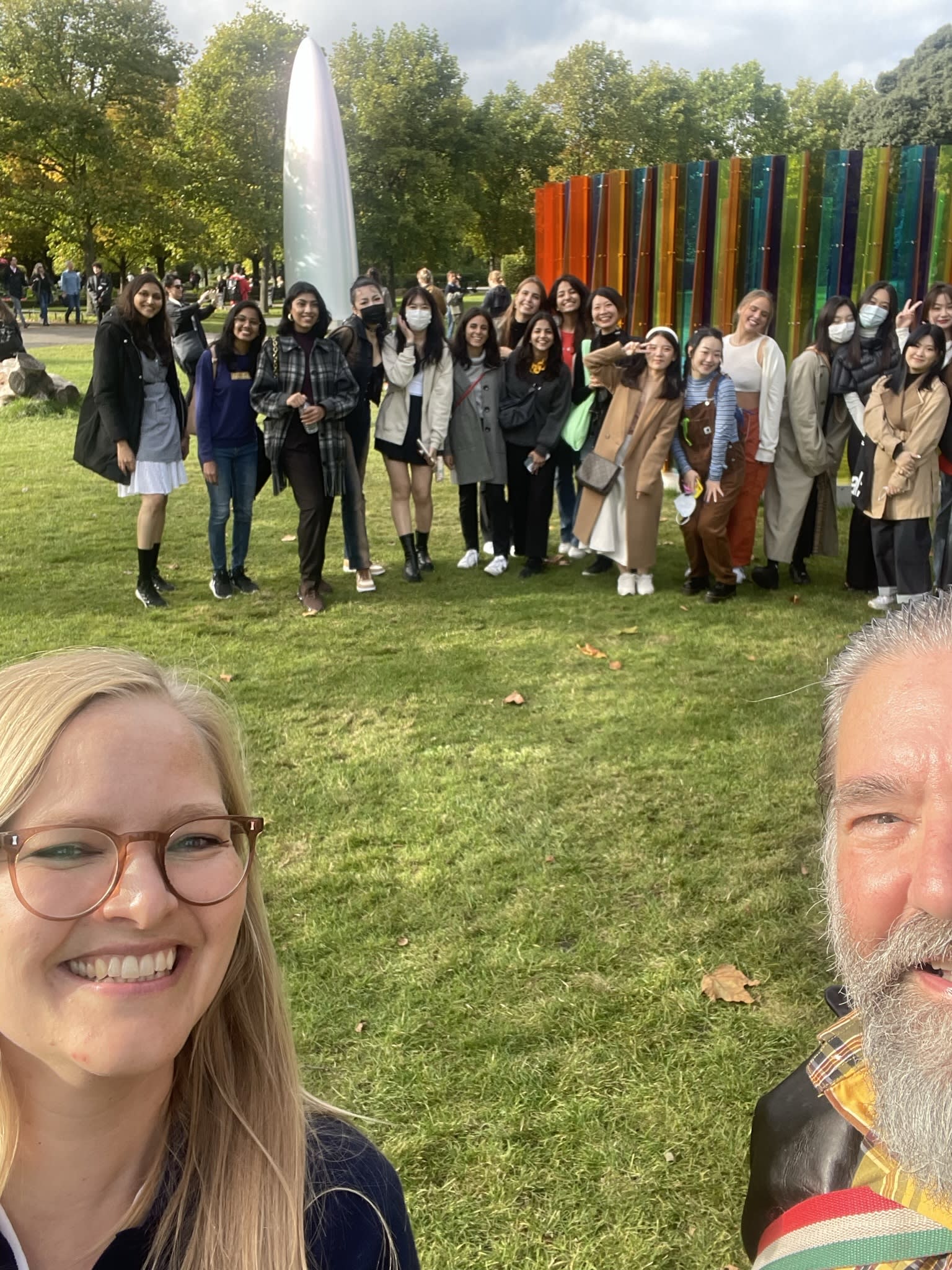
  • MA Fashion Design Management students posing for a photograph in East London.
    MA Fashion Design Management | Walk through East London with students | London College of Fashion | University of Arts London
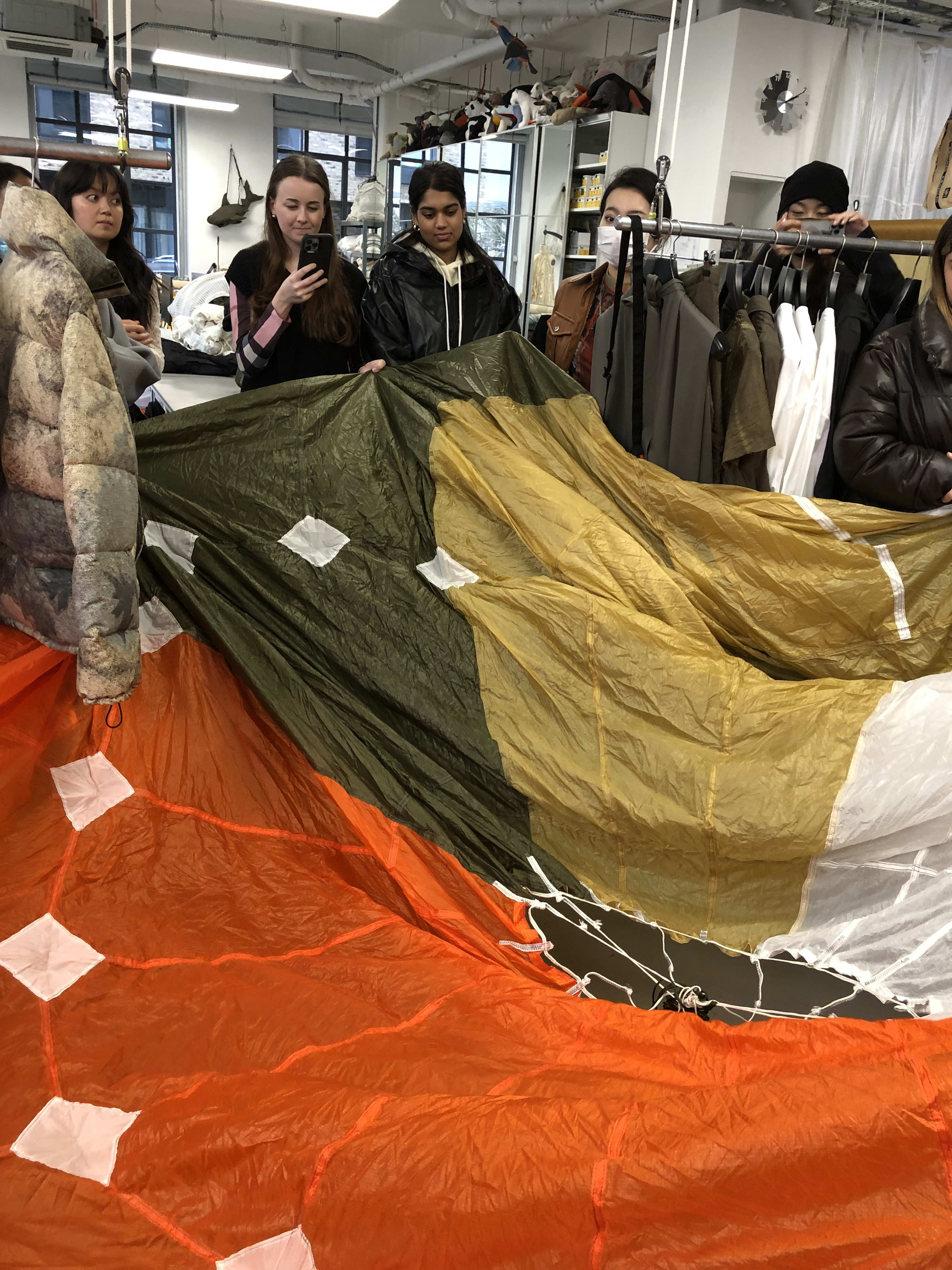
  • Students at the Christopher Raeburn studio.
    MA Fashion Design Management | Christopher Raeburn studio tour | London College of Fashion | University of Arts London
  • Students at the Christopher Raeburn studio.
    MA Fashion Design Management | Christopher Raeburn studio tour | London College of Fashion | University of Arts London
  • MA Fashion Design Management posing for a photograph during a walk through Camden, London
    MA Fashion Design Management | Walk through Camden, London with students | London College of Fashion | University of Arts London

Student Swati Nair | MA Fashion Design Management

Latest news from this course

Facilities at LCF

Staff

Jeanne Langford is the course leader for the MA Fashion Design Management course. Having begun her academic career in 2012 as an external examiner, she now teaches across a wide range of   units including product development, supply chain management and sustainability. She is a graduate of London College of Fashion with a BA (Hons) in Fashion Buying and Merchandising and holds an MSc in Purchasing and Supply Chain Management. Her current research interest includes block chain technology implementation within fashion supply chains. Previous experience has involved managing critical paths, working with suppliers in India, China and Europe and a specialisation in design and product development of accessories at   companies including Friis & Co, Lily Gardner and Hackett London.

Marie Jones has worked at the heart of the fashion industry for over 30 years, holding Design Director and Head of Design roles for some of the UK’s leading retailers, such as Arcadia, House of Fraser and M&S. She is currently Lecturer in Fashion Design Management at London College of Fashion. Marie holds a BA (Hons) in Fashion & Textiles, and an MA with distinction in Fashion & Sustainability from London College of Fashion, and her research revolves around disrupting the paradigms surrounding fast fashion, consumerism, and the disposal of clothing. She holds  a PG cert Academic Practice: Art, Design and Communication, and is  a Fellow with the Higher Education Academy (FHEA). Alongside her  academic work, Marie is co-founder of Hendy & Jones, a sustainable  fashion brand which uses traditional and modern patch working techniques to upcycle preloved menswear.

Adam Rose is an independent consultant who also supports LCF in a Practitioner role across several buying and merchandising focused courses. He has gained over 30 years of retailing experience at Debenhams and his specialism is Merchandising - however having worked at Trading Director level and led large scale transformation projects he also has a wealth of valuable insight into a number of disciplines and product types and so is well placed to offer expertise across a broad spectrum of areas. In an industry in constant change, Adam is passionate about developments in technology and sustainability as well as understanding how best to manage and harness new thinking and approaches impacting people, processes and systems.

Eleanor Rockett
Eleanor Rockett graduated with distinction from MA Fashion Design Management at LCF and holds a first-class LLB Law Degree. She is a Fellow of the Higher Education Academy (FHEA) and her research focuses on optimising intellectual property management to create innovative business models for fashion brands. Eleanor is a lecturer in Fashion Law at LCF and also works as an Intellectual Property Educator across UAL. Previously she has worked as a researcher in Digital Fashion at the Royal College of Art and a lecturer on the MBA at London Business School. She has industry experience as a business consultant with clients going on to win British Fashion Council NEWGEN and stocking in Selfridges, Harrods and Farfetch. She has worked as a strategist at a number of fashion technology start-up companies that have been featured in WWD, Forbes and Vogue Business.

Julie Dennison
Julie Dennison is a senior lecturer and academic, having extensive experience of teaching and curriculum development at undergraduate and postgraduate level since joining UAL in 2007. Julie currently holds the role of Senior Lecturer in Fashion Business Research Methods, focusing on developing specialist research methodologies with students to enable them to complete diverse advanced level research outputs at postgraduate level. Prior to her teaching career, Julie worked for over a decade in product design and development as a Senior Fashion Buyer, specialising in CMT operations for major UK High Street brands such as River Island and Arcadia. Her published research focuses on consumer behaviour in digital environments. She holds a BA (Hons) in Textiles and Fashion, a Masters in Strategic Fashion Marketing, a PG Cert in Academic Practice and is a Fellow of the HEA.

Gemma Metheringham
Gemma Metheringham is a circular fais a circular fashion consultant, committed to understanding how the current growth in the secondhand fashion market can be leveraged to support reductions in fashions overall carbon emissions. Originally trained as a Designer at Nottingham Trent University, Gemma worked for over 30 years as a Design and Creative Director in the Fashion Industry. At Karen Millen she led teams responsible for product design, development and sourcing, and all consumer touchpoints across brand, marketing, retail design and in store experience globally. In 2016 she returned to Next to launch a new collaborative project, Label/mix. She started her The Elephant in my Wardrobe Instagram feed to challenge throwaway fashion consumption in 2020 and the conversations started here, combined with a growing passion for sustainability, led her to complete the Fashion Futures MA at LCF in 2022/23. Gemma is currently continuing her research into the fashion resale market, mentoring, lecturing and writing on circularity.

Terence Senford
An alumnus of the London College of Fashion, Terence Senford holds a BA in Fashion Design Technology. He began his career on Savile Row as lead designer at Ozwald Boateng, for collab and diffusion lines as well mainline product creation. He has since held numerous creative leadership roles at globally renowned brands including Hugo Boss, Umbro, Puma, and Adidas.

He teaches across both the business and design schools, centring his interests on creative concept, trend futures, innovation, and strategic leadership. Terence is passionate about using mentoring and coaching toward collective creative learning and development of the self through the lens of creativity. Additionally, he is involved in creative outreach programs aimed at inspiring young people. Beyond his academic pursuits, Terence is also a fashion tech start-up advisor and maintains a creative/art practice.

Fees and funding

Home fee

£14,420

This fee is correct for 2026/27 entry and is subject to change for 2027/28 entry.

Tuition fees may increase in future years for new and continuing students on courses lasting more than one year. For this course, you can pay tuition fees in instalments.

Students from countries outside of the UK will generally be charged international fees. The rules are complex so read more about tuition fees and determining your fee status.

International fee

£30,890

This fee is correct for 2026/27 entry and is subject to change for 2027/28 entry.

Tuition fees may increase in future years for new and continuing students on courses lasting more than one year. For this course, you can pay tuition fees in instalments.

Students from countries outside of the UK will generally be charged international fees. The rules are complex so read more about tuition fees and determining your fee status.

Additional costs

You may need to cover additional costs which are not included in your tuition fees, such as materials and equipment specific to your course. Typical approximate costs for this course include: ​

  • Project materials: £500-£1,000
  • Adobe Creative Cloud: £42 per year
  • Field trip (optional): £25

For a list of general digital equipment you may need (and how you can borrow equipment), visit our Study costs page.​

Accommodation

Find out about accommodation options and how much they will cost, and other living expenses you’ll need to consider.

Scholarships, bursaries and awards

If you’ve completed a qualifying course at UAL, you may be eligible for a tuition fee discount on this course. Find out more about our Progression discount.

You can also find out more about the Postgraduate Masters Loan (Home students only) and scholarships for Home and International students. Discover more about student funding.

If you’re based in the UK and plan to visit UAL for an Open Event, check if you’re eligible for our UAL Travel Bursary. This covers the costs of mainland train or airline travel to visit UAL.

How to pay

Find out how you can pay your tuition fees.

Scholarship search

Entry requirements

The standard entry requirements for this course are as follows:

  • An Honours degree at 2.1 or above in a related discipline
  • OR Equivalent qualifications;

APEL (Accreditation of Prior (Experiential) Learning)

Applicants who do not meet these course entry requirements may still be considered in exceptional cases. The course team will consider each application that demonstrates additional strengths and alternative evidence. This might, for example, be demonstrated by:

  • Related academic or work experience (minimum of three years)
  • The quality of the personal statement
  • A strong academic or other professional reference
  • OR a combination of these factors

Each application will be considered on its own merit but we cannot guarantee an offer in every case.

English Language Requirements

IELTS level 7.0 with a minimum of 6.0 in reading, writing, listening and speaking. Please check our main English Language Requirements.

Selection criteria

The course seeks to recruit students from diverse socio-economic and cultural backgrounds and welcomes applications from mature students.

The course team seeks to recruit students who can demonstrate:

  • the potential to develop their practical and critical abilities through academic study;
  • critical knowledge of a subject area;
  • a capacity for intellectual enquiry and reflective thought;
  • an openness to new ideas and a willingness to participate actively in their own intellectual development;
  • initiative with a developed and mature attitude to independent study.

Information for disabled applicants

UAL is committed to achieving inclusion and equality for disabled students. This includes students who have:

     
  • Dyslexia or another Specific Learning Difference
  • A sensory impairment
  • A physical impairment
  • A long-term health or mental health condition
  • Autism
  • Another long-term condition which has an impact on your day-to-day life

Our Disability Service arranges adjustments and support for disabled applicants and students.

Read our Disability and dyslexia: applying for a course and joining UAL information.

Apply now

Application deadline

Deadline

Round 1:

2 December 2025 at 1pm (UK time)

Round 2:

18 March 2026 at 1pm (UK time)

Video task deadline

Round 1:

16 December 2025 at 1pm (UK time)

Round 2:

31 March 2026 at 1pm (UK time)

Decision outcome

Round 1:

20 March 2026

Round 2:

19 June 2026

Round 1
Round 2
Deadline
2 December 2025 at 1pm (UK time)
18 March 2026 at 1pm (UK time)
Video task deadline
16 December 2025 at 1pm (UK time)
31 March 2026 at 1pm (UK time)
Decision outcome
20 March 2026
19 June 2026

We have 2 rounds of deadlines for postgraduate courses: one in December and one in March. If there are still places available after 18 March, this course will remain open to applications until all places have been filled.

Read more about deadlines

Apply now

Application deadline

Deadline

Round 1:

2 December 2025 at 1pm (UK time)

Round 2:

18 March 2026 at 1pm (UK time)

Video task deadline

Round 1:

16 December 2025 at 1pm (UK time)

Round 2:

31 March 2026 at 1pm (UK time)

Decision outcome

Round 1:

20 March 2026

Round 2:

19 June 2026

Round 1
Round 2
Deadline
2 December 2025 at 1pm (UK time)
18 March 2026 at 1pm (UK time)
Video task deadline
16 December 2025 at 1pm (UK time)
31 March 2026 at 1pm (UK time)
Decision outcome
20 March 2026
19 June 2026

We have 2 rounds of deadlines for postgraduate courses: one in December and one in March. If there are still places available after 18 March, this course will remain open to applications until all places have been filled.

Read more about deadlines

Apply to UAL

Start your application
or

Apply with a UAL Representative

Based across the world, our local UAL representatives can support you with your application from your home country. Check to see if there is a representative available in your country currently.

Find your representative

How to apply

Follow this step-by-step guide to apply for this course

Step 1: Initial application

You will need to submit an initial application including your personal statement, CV and study proposal.

Personal statement advice

Your personal statement should be maximum 500 words and include:

  • your reasons for choosing the course
  • your current creative practice and how this course will help you achieve your future plans
  • any relevant education and experience, especially if you do not have any formal academic qualifications.

CV advice

Please provide a CV detailing your education, qualifications and any relevant work or voluntary experience. If you have any web projects or other media that you would like to share, please include links in your CV. If English is not your first language, please also include your most recent English language test score.

Read our advice on preparing the tasks and documents for your initial application.

Study proposal advice

Please provide a summary of your study proposal (500 words)

It should:

  • describe the area of study that you plan to focus on for your master’s project, including particular text(s), theories and themes that you might want to explore
  • outline the rationale, aims and objectives for your project
  • highlight the proposed methodology that you plan to follow for your project
  • include a bibliography and references if necessary. This is not included in the word count.

Please note, your proposal serves to inform your application and we understand that your ideas will inevitably develop and change throughout your studies.

Step 2: Video task

We will review your initial application. If you have met the standard entry requirements, we will ask you to submit a video task.

You’ll need to submit this via PebblePad, our online portfolio tool.

Video task advice

We’d like you to submit a 2-3 minute video to help us learn more about you. When recording your task, please face the camera and speak in English.

What to include in your video task

  • Introduce the topic of your master's project proposal and explain why you have chosen this subject matter.

Find advice on how to plan and film your video task. Then read our guidance on how to submit your video task, including the file types we accept.

Step 3: Interview

You may be invited to an interview following our review of your application. All interviews are held online and last 15 to 20 minutes.

For top tips, see our Interview advice.

You also need to know

Communicating with you

Once you have submitted your initial application, we will email you with your login details for our Applicant portal.

Requests for supplementary documents like qualifications and English language tests will be made through the applicant portal. You can also use it to ask questions regarding your application. Visit our After you apply page for more information.

Applying to more than 1 course

You can apply for more than 1 postgraduate course at UAL but we recommend that you apply for a maximum of 3 courses.

As every course has its own entry and assessment requirements, we recommend tailoring each application to showcase how your experience, skills and interests match that course. Applying for many different courses may make it more difficult for you to show that you are suitable for each course in a competitive admissions process.

Only apply to the course(s) you are most interested in – applying for too wide a range of different courses may reduce your ability to clearly demonstrate your suitability for each. It’s better to make fewer bespoke applications than many generic ones. This will help you to stand out where we have high demand for places.

If you receive offers for multiple courses, you'll only be able to accept 1 offer. UAL doesn't accept repeat applications to the same course in the same academic year.

Visas and immigration history check

All non-UK nationals must complete an immigration history check. Your application may be considered by our course teams before this check takes place. If your course requires a portfolio and/or video task, we may request these before we identify any issues arising from your immigration history check. Sometimes your history may mean that we are not able to continue considering your application. Visit our Immigration and visas advice page for more information.

External student transfer policy

UAL accepts transfers from other institutions on a case-by-case basis. Read our Student transfer policy for more information.

Alternative offers

If we are unable to consider you for the course you have applied to but your application is really strong, we may make you an alternative offer on a different course or at a different UAL College. This happens when our admissions tutors have found another course that they believe would be a strong match for your skills and interests.

Deferring your place

We do not accept any deferral requests for our postgraduate courses. This means that you must apply in the year that you plan to start your course and you will not be able to defer your place to start at a later date.

Application deadlines

Most of our postgraduate courses have 2 rounds of deadlines: one in December and one in March.

As long as you apply ahead of each deadline we will consider your application alongside all the other applications in that round. We always make sure to hold enough places back for round 2 to make sure we can consider your application fairly, no matter which round you apply in.

If there are still places available after the second deadline, the course will remain open to applications until all places have been filled.

For our MBA courses, there is only 1 deadline. This is 31 July for international applicants and 31 August for UK applicants. This is to make sure you have enough time to apply for your visa if you are an international student.

For our January-start courses, the deadline is in October. If there are still places available after this deadline, the course will remain open to applications until all places have been filled.

Careers

Your future employability is central to all our courses and as a student with us you’ll have access to a wealth of resources to prepare you for your future career in the fashion industry. Graduate Futures is our dedicated employability team who will work with you throughout your time with us to get you ready for employment. There are also a variety of opportunities on the course to enhance your employability.

Industry engagement

Our students engage with the industry in a variety of ways throughout the course. We have longstanding links with a wide range of fashion companies that provide valuable industry exposure through guest speaker sessions and live projects. In our Leading Design Practice unit, students have previously worked with brands such as M&S, Peachaus, Circle Collective, Cape Cove, and Tu Clothing - gaining practical experience and insights into real-world design challenges and professional practice.

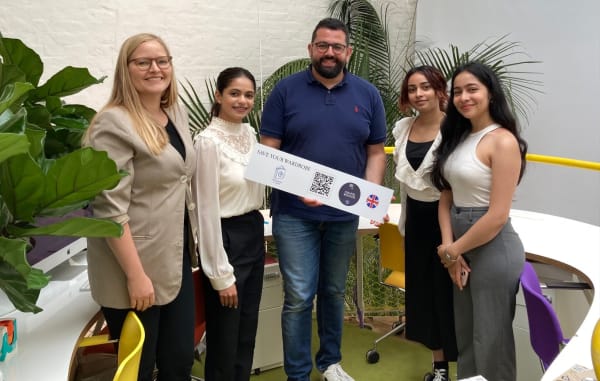
To put their sustainability design thinking into practice, our students recently collaborated with the fashion tech company Save Your Wardrobe. Working in groups of four, they researched the key challenges faced by the brand and developed creative digital solutions that could help empower fashion consumers with essential supply chain knowledge. This project allowed students to apply their skills in a real-world context while contributing to innovative approaches within the sustainable fashion industry.

The course benefits from strong global connections, with collaborative projects regularly featured as part of the curriculum. For example, our students partnered with peers from the Copenhagen School of Design to explore the European Union’s Digital Product Passport initiative. Guided by industry experts, they examined the sustainability efforts of international brands and engaged in discussions on enhancing transparency, aftercare, and supplier relationships—highlighting the value of cross-border collaboration in addressing industry challenges.

Potential careers

As a graduate of our course, you’ll be equipped with a range of professional skills, including in business management and sustainable product management. You’ll also develop strong problem-solving and critical thinking abilities, gaining hands-on experience through design thinking, as well as creating design and business strategy proposals for live projects and case studies.

This will mean you’re ready to pursue a career as a Buyer, Product Developer, Designer, Merchandiser or Sustainability Manager upon graduation as well as transfer your talent into other areas of business and operations management and consultancy.

Industry accreditations and support

Textile Institute

MA Fashion Design Management has been awarded Associateship level accreditation, CText ATI, by the Textile Institute. Internationally recognised, the Textile Institute is the chartered professional body for all the textile, clothing and footwear industries. As a student on this course you are eligible to apply for LTI (Licentiateship) when you graduate and CText ATI (Associateship) after one year working in industry (normally this would take 5 years). This qualification demonstrates to employers that as well as academic knowledge you have the vocational skills needed in the workplace. The qualification is globally recognised and internationally transferrable.

Textile Institute logo

LCF alumni

Our graduates have gone on to secure roles across the industry in a range of companies. Many will also start their own businesses. Previous graduates have secured positions at:

  • COS
  • Finisterre
  • Paul Smith
  • The Business of Fashion
  • WGSN